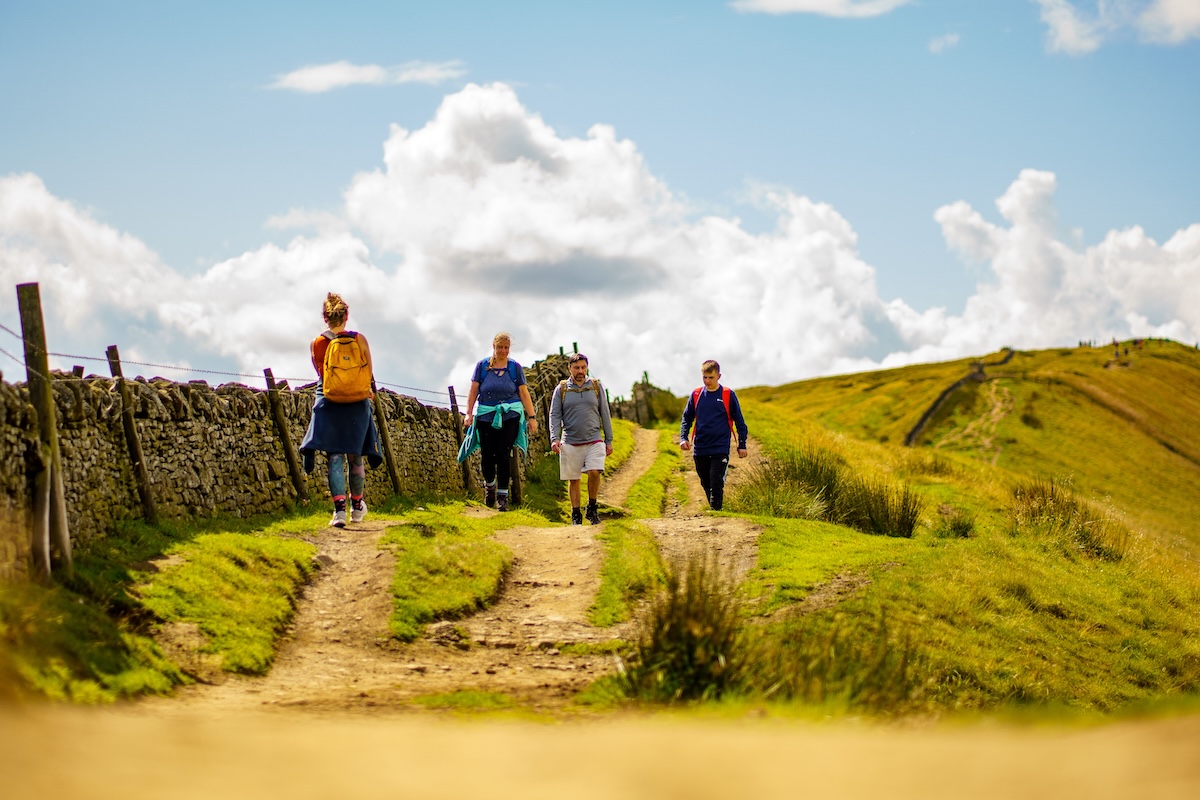
The hills near Newry look close and easy to reach from the road, and a day out on them is a great way to clear the head. The best days are the ones that are planned. A good route, a look at the weather, the right kit, and a few safe habits turn a hard day into an easy one. This guide covers how to choose a route, check the weather, pack for comfort, stay safe, and be a good visitor. It also has a short section on eye care in glare and wind. Take what suits your group, and enjoy the hills. Most of the steps are free, and each one takes only a few minutes. The advice is simple, and anyone can use it.
Choose a Route and a Place That Suit You and Your Group
Start with the hills near Newry, such as Slieve Gullion and the Mournes
Two well-known choices lie close to the city. NI Direct says that Slieve Gullion Forest Park, in the Ring of Gullion protected landscape, is mostly conifer woodland on the side of a steep mountain, with trails for walkers and a tarmac scenic drive. From Newry, you turn off the A1 by-pass and follow the B113 Forkhill Road. The Mourne Mountains lie nearby to the east, and they suit longer days. Pick the place that matches your fitness and the time that you have. If you want a short first visit, a marked trail at Slieve Gullion is an easy choice. If you want a bigger day, the Mournes offer longer routes, and a guidebook or a local group of walkers can help you to pick one. Whichever you choose, read about the route before you go. Think about how you will get there and back. Check the route to the car park, and plan who will drive. Share lifts where you can, because car parks near popular hills may fill up on a bright day.
Match the route to the slowest person in the group
A hill route that is right for one person can be too long for another. Check the distance and the climb, and add time for rests and for photos. Choose a route that the slowest person can enjoy, and plan an easy way to shorten it if the weather turns or someone tires. A short route done well is better than a long one that ends in a rush. If you are new to hills, start with a marked trail and build up. Agree to the plan at the car park, so nobody feels pressed to keep up. Leave time for a longer rest at the top, because the view is part of the day. A route that leaves you with energy to spare is a route that you will want to repeat. Ask each person how they feel before you start, and again at the first rest. A short, honest check can spot a sore knee or a tired leg early. Be ready to change the plan with a smile, because the day is for everyone.
Check access, signs, and closures before you go
Look at the owner's website or the official page for your site before you leave home. NI Direct says to pay attention to safety signage when forestry work is under way at Slieve Gullion, and that tree disease work may sometimes affect access. It also says that the scenic drive can close in snow and ice. A quick check saves you a wasted journey. Read the signs at the car park, and follow any diversions. Check the council or park website for notices, and look at the signs at the entrance before you set off. If a path is closed, take the route that is open, and do not cross barriers. Safety signs protect you and the workers on site. Check where you can park, and leave space for other cars and for farm vehicles. Do not block gates or tracks. A tidy car park helps the people who live and work near the hill.
Check the Weather and Plan Your Day
Look at the forecast the day before and again before you set off
Look at a trusted forecast for the hills, not only for the town. Check the wind, the rain, and the temperature, and look at the hour by hour view. A forecast that looks fine at home can feel very different on high ground. If the forecast is poor, move the walk to another day, or choose a lower, sheltered route. A change of plan is a good decision, not a failure. Look at the wind speed as well as the rain, because a strong wind makes a hill day much harder. Note the time of sunset, and plan to be down before it. Save the forecast on your phone, in case the signal is weak when you need it. Check the forecast for the hours that you will be on the hill, not only for the day as a whole. Look at the cloud level too, if the forecast shows it, because low clouds hide views and paths. Agree in advance what weather would make you change your plan.
Weather on a hill can change faster than in town
Wind is stronger and the air is cooler on high ground, and clouds can come in quickly. Rain can make rock and grass slippery, and mist can hide the path. Carry kit for a change, even on a bright day, and watch the sky as you go. If the weather turns, slow down, turn back early, and take the safe way down. Carry a light layer even on a warm day, because the air cools quickly when clouds cover the sun. Mist can cut the view to a few metres, so stay close to your group. If you feel cold or wet, put on a layer early, before you feel chilled. Learn the signs of change, such as a sudden drop in temperature, darker clouds, or a stronger wind. These signs are a prompt to put on a layer and to think about the way down. Early action is calm, and late action is rushed.
Set a turn-around time and keep spare daylight
Decide on a time at which you will turn back, whatever the point on the route. Plan to finish well before dusk, because the light fades fast under clouds and trees. A turn-around time is easy to agree at the car park and hard to agree when you are tired. Write it down or tell the group, and keep to it. Pack a small torch in case a walk runs late. Keep a note of the time at each rest, so you can judge your pace. Ask the group to agree on a back-up plan, such as a shorter way down. A calm plan made early beats a rushed decision made late. On a big day, add a margin of an hour or more to your estimate, because rests and photos use up time. If you reach the turn-around time before the top, turn back without regret. The hill will be there next time.
Protect Your Eyes From Glare, Wind, and Grit on the Hill
Sunglasses, a cap, and clean lenses make a bright day easier
Glare off wet rock, water, and clouds can tire the eyes, and wind can blow grit into them. Sunglasses help, and the NHS advises a pair that carries the CE mark and the British Standard mark. Wraparound styles keep out wind and grit, and a cap with a brim cuts glare from above. If you wear glasses, a strap and a soft cloth help when they fog or get wet. Take sunglasses off when the light drops under clouds or trees. Keep your sunglasses in a hard case, so that wind and a drop on rock do not damage them. Pick a pair with a secure fit, so they stay on when you look down at the path.
Contact lenses as one option for hill days
Wind and dry air can leave the eyes sore on a hill, and some walkers find that contact lenses for dry eyes are a comfortable choice, because there are no frames to fog or slip when the weather turns. Wind and dust can still bother some wearers, so keep your glasses in your bag as a back-up. Opticians advise you to wash and dry your hands before you touch your lenses, which is easy to forget on a hill, so plan for it before you set off. Ask your optician what suits you. A small case with a spare pair and a cloth takes almost no space.
Pack Kit That Keeps You Warm, Dry, and Comfortable
Wear layers and carry a waterproof jacket
Layers let you adjust as you warm up and cool down. Wear a base layer, a warm mid layer, and a waterproof jacket that you can pull on in a minute. The NHS says that, for long walks, you may want to take water, a spare top, sunscreen and a sun hat in a small backpack, and that regular walkers may want to invest in a waterproof jacket. Add gloves and a hat, because hands and ears feel the cold first. Pack your jacket at the top of the bag, so you can reach it fast. Take off a layer before you get hot, because damp clothes feel cold when you stop. A small dry bag keeps a spare top dry if the rain is heavy. Choose fabrics that dry fast, because wet cotton feels cold. Keep a warm hat and gloves in the bag, since the hill can be cool on any day. A light layer weighs little, and it can make a hard moment easy.
Choose shoes and socks that prevent blisters
Boots or shoes with good grip and support make steep ground easier. The NHS says that comfortable shoes that fit well help to prevent friction blisters, and that new shoes should be worn for short periods until they are comfortable. It also suggests thick socks, such as sports socks that draw moisture away, and a change of socks if your feet get sweaty. Test new boots on short walks first, and pack a spare pair of socks in your bag. Tie your laces well, and stop at once if you feel a hot spot on your foot. A plaster put on early can stop a blister before it forms. Do not save new boots for a big day, because the NHS says that new shoes should be worn for short periods first. Check the grip on the soles before you set off, because worn soles slip on wet rock and grass. Dry your boots after a wet walk, and stuff them with paper to keep their shape. Good care of boots makes them last for many walks.
Carry water, sun protection, and a charged phone
Water matters even on a cool day, because you lose it as you walk. Carry more than you think you need. Sunscreen and a sun hat protect you on bright days, as the NHS notes for long walks. A charged phone and a small power bank help you to call for help, and a torch and a whistle are small items that can matter if a walk runs late. Share the load with your group, because water is heavy and the weight adds up. Drink a little often, not a lot at once. A small power bank and a short cable weigh little, and they keep a phone alive for a map or a call. Fill bottles before you leave home, and keep a spare in the car for the end of the walk. Put on sunscreen before you set off, and carry it with you, since the NHS lists it for long walks. A hat and a bottle of water for each person is a simple rule.
Stay Safe on the Hill
Tell someone your plan and your return time
Tell a friend or a family member where you plan to walk, which route you plan to take, and when you expect to be back. Ask them to call for help if you do not get in touch. Leave a note in the car if you can. A plan that someone knows about gives rescuers a good place to start if a problem arises. Send the plan in a text, with the name of the car park and the colour and make of your car. Agree a time to check in, and ask your contact to call for help if you miss it. Tell them as soon as you are back, so they do not worry. If your plan changes, send a short update from where you have a signal. Do not leave your contact in doubt about where you are. A short message takes seconds, and it saves a long worry.
Use a map, know where you are, and do not rely on one phone
Carry a paper map and know how to read it, or follow a marked trail. A phone can run out of battery or lose signal on high ground, so do not rely on it alone. Check your position often, and note landmarks as you pass them. If the mist comes down, stop and check, and do not guess. Practise with the map on a short walk before a bigger day, so the skills feel natural. Look at the contour lines to see where the ground is steep, and plan breaks on easy parts. A paper map weighs little and never needs a charge. Take a photo of the route map at the start of the trail, in case your paper map gets wet. Keep the map in a clear pouch. Agree who in the group will check the map, and swap the job now and then.
If a problem arises, stay calm, stay together, and call 999
If someone is hurt or you are lost, stay calm and stay together. Give the person shelter and an extra layer, and keep them warm. Call 999 if you need emergency help, and say where you are as clearly as you can. Stay where you are unless it is unsafe, because rescuers find a group faster if it stays in one place. Keep your phone for calls, and save its battery. Keep the group together, and make sure that nobody is left behind. If the person who is hurt cannot walk, wait for help rather than risk a hard carry. Use a whistle or a torch to signal if you need to, and keep warm while you wait. Give a clear description of where you are, such as the name of the hill, the path, and the last landmark you passed. If you have a signal, keep the call short and clear. Write down key points before you call, so that you do not forget them in the stress of the moment.
Be a Good Visitor and Follow the Countryside Code
Keep to paths, use gates, and leave gates as you find them
The Northern Ireland Countryside Code says to keep to paths across farmland, and to walk around the edge of a field unless there is a path across it already. It asks you to use the nearest gate or stile, and to leave gates as you find them, because open gates let animals stray. Most land is private, so know where you are allowed to go, and respect the owner's wishes. Take extra care in a field that has a crop, and walk in single file on a narrow path. If a gate is hard to open and you must climb it, the code says to do so at the hinged end. Small acts of care keep good relations with the people who farm the land. If you meet a farmer or a landowner, be friendly, and thank them. Walk in single file on a field path to protect crops. Respect signs that ask you to take a different route, even if it adds time.
Keep dogs under control and give farm animals space
The code says to keep your dog on a lead on roads and when close to farm animals, and to keep it under control so that it does not disturb wildlife or other visitors. It also says to avoid fields where there are animals, because your presence may cause them stress and endanger your own safety. Do not interfere with livestock, machinery, or crops, and pay attention to signs that warn of danger, which are there for your protection. Keep your dog close in a field with young animals, and never let it chase them. Stay calm, and leave the field by the nearest safe route if animals seem uneasy. The code reminds you that your presence may cause them stress. Carry a short lead and a bag for waste, and use both when the code says so. Keep your dog close in narrow places, so it does not startle other walkers. A well-trained dog is a good companion on the hill.
Take litter home and take care with fire
Take your litter home, and any that you find, because glass, tins, and plastic bags can be dangerous to people, livestock, and wildlife. The code also says that the countryside is vulnerable to fire, especially in dry weather, so be careful to put out matches and cigarettes, and use a stove, not a fire, to cook. Keep noise low, and respect other people on the hill. Carry a small bag for litter, so that you can pick up any that you see. Make sure that any stove is cool before you pack it. Leave places as you find them, so that the next visitor enjoys them too. Check the ground for dry grass, and keep stoves away from dry plants. Put out matches fully, and take the stubs home. A small car now protects the hill for everyone.
Look After Yourself on the Day and After
Pace the day, rest often, and drink water
Start slowly, and keep a pace at which you can talk. Rest before you feel tired, and drink water often. Take a short break at a view, put on a layer when you stop, and check how the group feels. A steady pace saves energy for the way down, which is often the harder part. Take a short break about every hour, and drink water at each one. Watch each other for signs of tiredness, such as a slow pace or a quiet mood. If someone struggles, share their load or shorten the route. Choose a pace that lets the slowest person talk. Spread the effort, with an easy start and a steady middle. Save a little energy for the end, because tired legs are easy to trip on a steep path.
Check your feet and your skin when you get home
When you get home, check your feet for hot spots and blisters. The NHS says that a pharmacist can recommend a plaster or other cover for a blister, and that you should not pick at one or peel the skin. Wash and dry your skin, and put on clean socks. Rest well, and drink water. A short check now helps you to enjoy the next walk. Look at your toes and heels, and at any skin that has been rubbed by a strap. Put a plaster on small sore spots, and let your feet air for a while. If a blister is large or painful, ask a pharmacist for advice, as the NHS says that a pharmacist can help with blisters. Wash your feet with clean water and dry them well. Put on dry socks and loose shoes, and rest with your feet up for a while. A quiet rest at home helps tired legs to recover.
Stretch gently for a few minutes to help your body recover
When you stop, give your legs a few minutes of gentle care. The NHS says that a short cool-down routine helps you to relax, improves flexibility, and slows your heart rate, and that the stretches should take about 5 minutes. It suggests that you hold each stretch for 15 to 20 seconds, and it lists stretches for the calf, the front and back of the thigh, the buttock, and the inner thigh. Do them before you sit in the car, because muscles can stiffen fast once you stop. Hold on to a wall or a car door for balance. If you have an injury or a medical condition, the NHS says to talk to a physiotherapist or another healthcare professional about which stretches are right for you.
Dry, clean, and restock your kit so that it is ready for next time
Unpack your bag as soon as you get home. Hang wet layers to dry, and let your boots air in a warm, dry room, away from direct heat. Wash muddy clothes, and wipe your bottles and your bag. Recharge your phone and your power bank, and replace any item that you used, such as a plaster, a spare pair of socks, or a battery for the torch. Note any damage, such as a loose strap or a worn sole, and mend or replace it before the next walk. A kit that is clean and ready makes it easy to say yes to the next day out.
Plan the next walk while the day is fresh
Make a note of what worked and what did not. Think about the kit that you wished you had, and the route that you would like to try next. Share your photos and tips with friends. A hill walk is easier each time when you learn from the last one. Add a favourite spot to a list of places to visit again. Ask a friend who knows the hills to share a route. Each good day teaches you how to plan a better one. Write down the time that each section took, so that you can plan better. Note what the weather did, and whether your layers were right. Keep the notes in your phone with your route photos.
The Bottom Line
A good day on the hills near Newry starts at home, with a route that suits the group, a look at the weather, and a kit that keeps you warm and dry. Add a few safe habits, such as a turn-around time and a note of your plan, and follow the Countryside Code on the way. Take care of your feet and your eyes, and enjoy the views. Choose one change to try on your next walk, and build from there. Share this guide with the people you walk with, because a plan works best when everyone knows it. Take your time, enjoy the day, and come home safe.