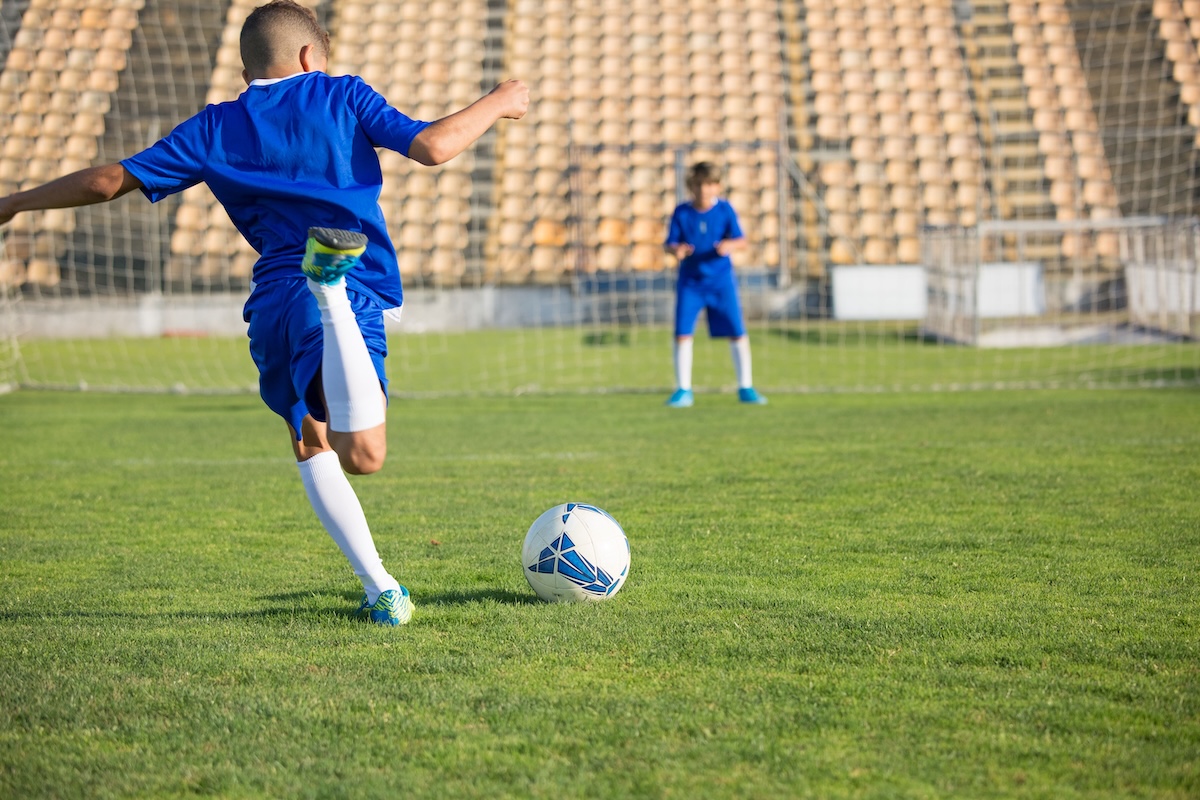
Sports education in Newry does not have to mean sitting in a classroom learning theory about fitness and coaching. The area gives you plenty of opportunities to connect what you study with real training sessions, local clubs, leisure facilities, and community sport. If you are serious about working in the industry, that practical side matters just as much as passing a course.
That is becoming especially clear as local education and sport become more connected. In 2026, Newry City AFC announced a two-year Football Performance Programme with Newry High School and LLS that combines a Level 3 qualification with four training sessions a week, competitive matches, strength and conditioning, and weekly work experience. For young people around Newry, that is a good example of sport becoming both something you play and something you can build a career around.
When Academic Work Competes With Coaching Experience
Sports courses can become demanding because classroom assignments are only one part of the week.
If a major university project or dissertation begins taking over the hours you planned to spend on coaching placements and professional development, using academic support from cheap dissertation writing services can help you manage part of that workload while you protect time for training, practical learning, and the other coursework you still need to complete.
With your workload arranged more realistically, you can give proper attention to both sides of sports education. You leave with academic knowledge, but you also have coaching hours, workplace experience, and examples of real responsibility to discuss when applying for university courses or jobs.
Use Local Facilities as Learning Environments
The good thing about Newry is that there are existing sports facilities within the town and even the wider region.
The Newry Leisure Centre consists of an eight-lane 25-metre swimming pool, several sports halls, a fitness suite that has over 80 stations, squash courts, handball courts, a spin studio, and areas used for fitness and community programs. There are six leisure centres across Newry, Mourne and Down, and the council offers training and funding to the local clubs.
If you are taking a course in sport, then these facilities are important not only for your own exercise. Observe how activities are conducted, how instructions are issued to various age categories, how classes are scheduled, and how accessibility is incorporated into the program.
Learn How to Coach, Not Just How to Play
Being skilled at playing a particular game and being a skilful coach of that game are two entirely different things.
While an excellent player might execute a move unconsciously, the coach must analyse and explain the same move to a person who lacks understanding of it. You have to have patience, keen observation, the ability to communicate effectively, plan and adapt as the first plan fails.
The skills of effective coaching include the following:
-
giving clear directions
-
planning training sessions according to certain goals
-
adapting games for people with various skill sets
-
observation of technique and giving useful feedback
-
managing groups safely
-
motivating people without embarrassing them
-
and analysing success afterwards
Such skills might prove to be extremely helpful outside the field.
Treat Work Experience as Part of the Qualification
One of the biggest mistakes you can make in sports education is treating practical experience as something to think about after finishing the course. Start earlier.
The Newry City Scholarship Programme is interesting because weekly work experience is built into the programme alongside education and football training. That reflects what employers usually want to see: evidence that you understand how sport works outside a classroom.
A placement with a club, gym, leisure centre, school programme, or community organisation can give you stories to use in later interviews. Here’s what you can learn:
|
Experience |
What You Can Learn |
Career Skill It Shows |
|
Helping with junior coaching |
Session planning and communication |
Leadership |
|
Leisure-centre placement |
Facility and customer operations |
Organisation |
|
Assisting with events |
Scheduling and logistics |
Teamwork |
|
Supporting fitness sessions |
Exercise instruction |
Coaching |
|
Club administration |
Bookings, communication, records |
Business skills |
|
Community sport |
Adapting sessions for different groups |
Inclusion |
Keep notes about what you actually do. Six months later, “helped at a sports club” is difficult to turn into a strong job application. “Helped run weekly sessions for 20 junior players and prepared equipment before training” gives an employer something concrete.
Pay Attention to Community Sport
Not all sports careers are about high-level competition.
The existing Sports Development strategy of Newry, Mourne and Down District Council particularly addresses the goal of encouraging participation, particularly among youth and under-represented groups, in partnership with clubs and community organisations. The summer 2026 programme included multi-sport camps, teenage events, swimming lessons, and neurodiversity sports events.
It opens another opportunity for anyone who is interested in working with sports education. You may want to help children develop confidence in their physical activities, work with community organisations, encourage access to sport, or organise sessions for different groups of people. These jobs involve an expanded knowledge of coaching beyond athletic skills.
Base Your Qualifications on Your Career Path
Do not acquire qualifications simply because they are available.
If you want to become a football coach, consider the coaching badges and experience that are required in this sport. If you are interested in becoming a personal trainer, explore the available fitness qualifications. If you would rather do sports management, learn about operations, budgeting, marketing, and event planning.
Your education will lay down the groundwork, and smaller qualifications and work experience can guide you toward specialisation. It may also be wise to ask those who already have the job what advice they could offer. Ask a coach how they got there. Ask an individual working at a leisure centre what qualifications made their way to the managerial position easier.
These discussions will help you avoid wasting both time and effort on irrelevant education and training.
Don’t Forget the Commercial Aspect of the Sport
While sport might be considered the end product, plenty of sports clubs still think like commercial enterprises. Sports clubs require budgets. Leisure centres require members. Events need promotion. Personal coaches might need to look for customers. Sports facilities will have to organise all sorts of logistics.
If you plan to go into a personal sports coaching business someday, make sure to learn how to conduct yourself commercially when you’re still learning at university. Learn about prices, booking times, promotions, customer service, and recordkeeping.
Turn Sport into Proof of Genuine Skills
The education process of sport in Newry takes place most successfully when education, training, and career preparation take place simultaneously.
Learn using local courses to gain your education, yet go even further than that. Assist with training sessions. Gain some work experience. Pay attention to the operation of facilities. Study communication between the coach and players.
Eventually, you may turn out to be a coach, trainer, sports development officer, leisure manager or take up any other occupation in the industry. The best way to prepare is always to combine your knowledge with your experience. In sports, experience counts - and Newry provides you with enough opportunities to gain it.