Turkey remains one of the best-value holidays within four hours of the UK. A weak lira means your pounds go further at the bazaar, the restaurant table and the pharmacy counter. Foreign shoppers have noticed too, with one Istanbul insider claiming Turkey is now the cheapest place in the world for shopping. This guide answers the question directly: what things are cheap in Turkey, and where you actually save.
What things are cheap in Turkey right now
The short answer is food, textiles, leather, gold, grooming and getting around. These categories consistently cost less than their UK equivalents. The savings come from local production and the exchange rate, not from lower quality. Below is the honest breakdown, ranked by how much you will notice the difference.
1. Eating out and street food
Restaurants are the standout saving. You can eat at a much cheaper price than Europe, and have plenty more food. A döner, a pide or a full mezze spread costs a fraction of a UK sit-down meal. Stick to places where locals queue and you will eat brilliantly for pocket change.
2. Leather goods
Leather is significantly cheaper in Türkiye than in much of the Western world, so relatively speaking it may be one of the most inexpensive things you can buy in Turkey. Most pieces are handmade, so a jacket, belt or wallet is genuinely one of a kind. Try several shops before committing, and always haggle.
3. Textiles and towels
Turkey is a global cotton and textile powerhouse, which keeps prices low. One of the biggest bargains in Turkey is textiles, as the country is a global leader in cotton production and textile manufacturing. Hammam towels, cotton bedding and scarves are light, cheap and easy to pack home.
4. Gold and silver jewellery
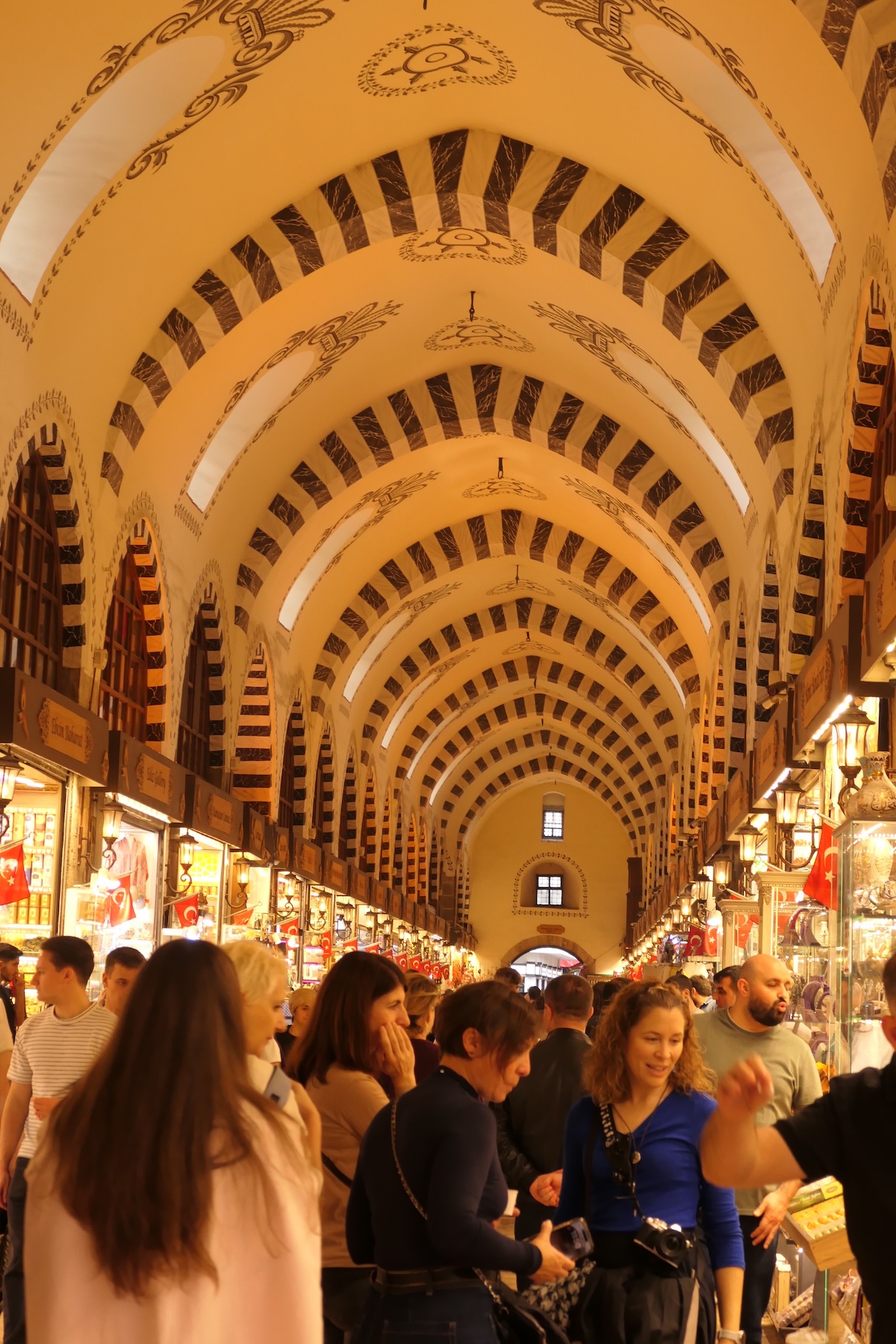
The Grand Bazaar has traded precious metals for centuries. The cost of gold per gram is often cheaper in Turkey, particularly if you are paying in cash. Silver and semi-precious stone settings are widely available too. Check the daily gold price before you buy so you can judge a fair rate.
5. Groceries and local produce
Self-catering travellers save the most. Groceries are a bargain hunter's dream, with everything from fruit and vegetables to packaged food very affordable. Cheese, olives and olive oil are particularly good value in local supermarkets. Even alcohol, often pricey in Turkey, can surprise you in shops rather than tourist bars.
6. Mobile data and staying connected
Connectivity is quietly one of the country's best deals. Public transport and domestic mobile phone SIM cards are much cheaper than in most European countries. For visitors, skipping the airport SIM queue makes even more sense. A ready-to-use option such as Holafly travel esim in Turkey installs before you fly and works the moment you land. That keeps you off pricey UK roaming without hunting for a shop.
7. Public transport and taxis
City travel costs very little. Trams, ferries and metro rides in Istanbul are cheap, and an Istanbulkart makes them cheaper still. Domestic flights between cities are competitively priced compared with the UK. Agree taxi fares or insist on the meter before setting off.
8. Pharmacy, grooming and a Turkish bath
Everyday services undercut UK prices sharply. A traditional hammam, a haircut, a shave or a pharmacy purchase all cost far less than at home. These small treats add up to a holiday that feels far more generous than the bill suggests.
What is not cheap in Turkey
Set your expectations honestly. Alcohol, cars and luxury vacation packages may be more expensive than in other countries. Imported electronics and branded spirits rarely beat UK prices. Budget your splurges around food, crafts and experiences instead.
How to make your money go further
-
Pay in lira, not pounds. Card terminals offering "pay in GBP" apply poor rates.
-
Haggle in markets. Discounts are expected, especially if you buy more than one item.
-
Carry some cash. Many gold and leather sellers give better prices for cash.
-
Shop where locals shop. Step one street back from the tourist strip and prices drop.
-
Sort admin early. Before you travel, renew your passport well before travel to avoid costly last-minute fees.
Frequently asked questions
Is Turkey cheaper than Greece or Spain for a holiday?
Generally yes, especially for food, shopping and grooming. The exchange rate gives UK visitors strong buying power. Flights and hotels vary by season, so book those early.
Should I take cash or card to Turkey?
Take both. Cash wins for markets, taxis and small vendors, while cards suit hotels and larger shops. Always choose to be charged in lira.
What is the best cheap souvenir to bring home?
Textiles, spices and a leather accessory travel well and cost little. Turkish tea, coffee and hammam towels are light and easy to pack. Avoid fragile ceramics unless you can carry them by hand.
Is haggling expected in Turkey?
In bazaars and independent shops, yes. Stay friendly, start below the asking price and be ready to walk away. Fixed-price supermarkets and chains are the exception.
When is the cheapest time to visit Turkey?
Shoulder months such as April, May, September and October balance good weather with lower prices. Peak summer pushes coastal costs up. Winter city breaks in Istanbul can be excellent value.