 Write a comment
Winter time can often be a low or depressing time for everyone and being older doesn’t make you immune! The days are shorter and there is less sunlight. There is less incentive to get out and about. Often it’s easier to stay indoors in the warmth rather than venture out to meet friends or take a short walk. But getting out, having a chat and a laugh over a cup of tea can be a real mood changer. Keeping active is important for all ages and it has been shown to especially benefit older people physically, mentally and emotionally.


Members of the Newry U3A know the importance of keeping active and meeting others socially. Sometimes it is as simple as getting their bodies over the doorstep before their minds have time to catch up with the reasons to stay at home!
I spoke to some members this week and asked them what the incentive is for them to come out to the U3A on dank dark weary days of winter?
Anthony Mc Shane
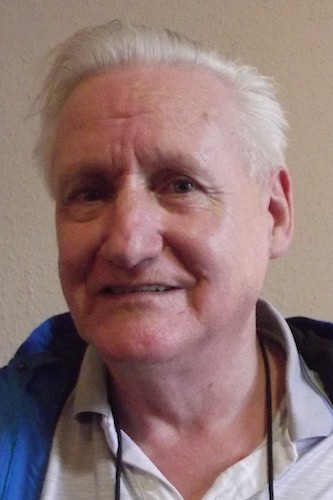
It was in a waiting room in the Health Village that Anthony first heard about the U3A. He had just retired and was wondering how he was going to spend his free time. Three years have passed and he has attended the cookery class for men and a computer course. He is now enjoying the Gentlemen Singers group and the Acting Up class. He says “If I didn't come out for the various classes I’d think I was missing something.”
Anthony doesn't worry about the winter coming in. Being out there keeps me active and interested. “I’m not just sitting in a corner worrying about getting old. I’m out with people enjoying their company.” He says he's particularly pleased to find that “Everyone is the same as yourself and so you’re not out of place”
Irene Mc Parland
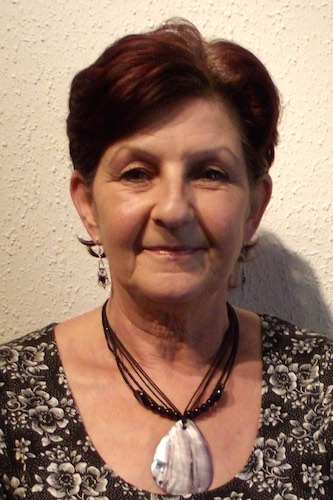
When Irene retired last year everyone told her she would be bored. In fact she says she was feeling bored for about six months, until her sister-in-law, Eileen told her about the U3A. She joined and she says she has never looked back.
It doesn't matter to her what the season it is. Irene says that getting out to the U3A is a priority. It has given her confidence and belief in herself. This is in no small measure due to her being in the Acting Up group. In fact she pointed out that being on the stage in the play The Last Dance has been one of the highlights of her life.
She also enjoys the Craft and Walk and Talk classes. She says “It’s absolutely brilliant and it’s something to get up and get out for, should it be one day or five days a week.”
Irene continued to say that she has met former school friends that she might not have talked to in 30 years but could now fall into conversation with them. She ended her chat with me by saying that the U3A has given her a new lease of life and she would totally recommend it to anybody.
Eamon McAteer
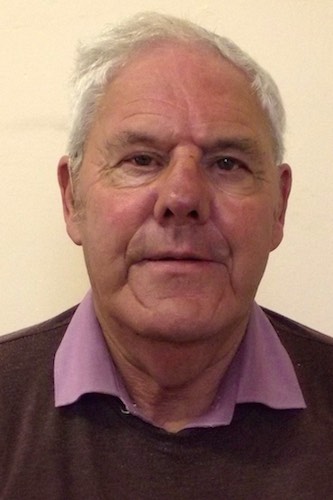
Eamon says that coming to the U3A and meeting people is a big incentive for him to get out of the house on grey winter days. He has been doing that for three years now.
Eamon enjoys using the computer skills he has picked up over two years. He says he enjoys the chat and the craic in the kitchen as much as the class itself.
He says: “I am in no hurry to be rushing home on cold wet mornings. I come out to meet people. I get to talk to new friends coming from the different classes.”
Because he comes from Newry, he too like Irene, would know many of the members by sight but now he’s getting the time to chat about old times and renew old acquaintances.
Eamon is very interested in local history and he has been invited to give a lunchtime talk in the U3A about the old North Street, his grandmother’s birth place He says that giving this presentation is a great boost to his confidence.
Jennifer Kelly
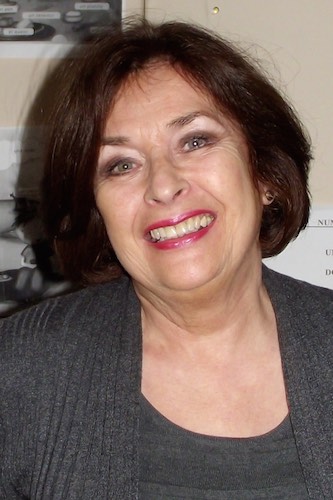
Coming out on wintry days is not a big problem for Jennifer. She enjoys seeing how the members of her basic Desktop Computer class respond to being able to grow in confidence from being “petrified” about turning on and off the computer to feeling confident and competent at the end of a course.
She has empathy for the older people in her class, remembering how difficult it was for herself initially. Jennifer thinks that when people are at home all the time they can often just make unnecessary work for themselves.
She is aware that there are a lot of lonely people who are unaware of what the U3A can offer in terms of over 60 activities. She says that if people can’t find any class that interests them they can still come in and use the kitchen which she says is the hub of the place. A cup of tea or coffee, a few biscuits and lots of chat can warm hearts and hands on a cold winter’s day.
Alice Clifford
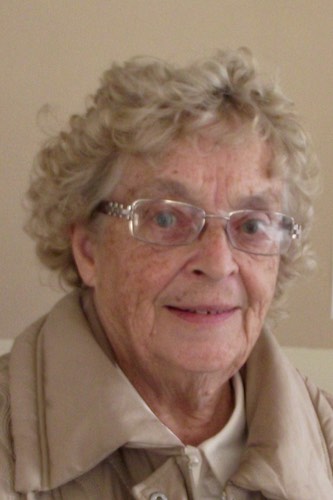
Alice is one of the founding members and a former chairperson of the U3A. She has watched it grow and flourish over 16 years. She rarely misses her Classic Music Appreciation Class whatever the weather. She is also a member of the U3A Luncheon Club. They meet once a month in the Catering College and enjoy there an appetising and beautifully presented lunch which is especially welcome on cold winter days.
Alice sees great value in this social aspect of the U3A. She notices how some people come along feeling quite shy. They are made to feel welcome and soon new friendships are formed. Some of the members in the various groups actually go away together on holidays. Alice says that the growing numbers highlight the need for an organisation like the U3A in the Newry and Mourne area and beyond.
Raymond Tregear

Raymond is from Wales and is a relative new comer to the U3A. He is learning Irish which one would think strange for a welsh man but he says that as a Celt he is interested in our languages. As winter approaches he is looking forward to spending time indoors in the U3A making new friends. He will be learning new skills and following his passion for all kinds of music, which includes classical and country.
He says there is a lot of humour in the classes, so enjoying the fun will make getting out of the house more worthwhile. Look out for Raymond at the Shop Mobility area in the Buttercrane.
Memories of Halloween
Mary Dynan who leads the Life Story Writing Class in the U3A asked her new members to write about their memories of Halloween. These are their quickly composed ad hoc accounts – 10 minutes of unedited writing! Mary says: “ You might be interested in the similarities and differences in people’s memories from different parts of the country – and Scotland. I had not heard of the apple dumpling tradition but that was shared by two of our members. Others like me remembered apple tarts or barnbrack with charms or money inside, nuts of different kinds, going round the houses and ‘scarey things’”
‘Hallowe’en was special time in our house. It was dark and there was an air of anticipation. Mammy made a dumpling. She mixed the flour, salt and baking soda together with some sugar and an apple which she sliced into it with the big knife. Then she added buttermilk and mixed it up with her hand. She had an old flour bag which she wet and sprinkled with flour. Having put the mixture in the middle she gathered it all round and tied it with a piece of string. She put it in a big pot of boiling water on the range and boiled it for a couple of hours. When the ‘redding up’ was done (cows milked and fed, the horse fed and the chickens too) Daddy came in and we all sat round the table, bowls at the ready, milk and a sprinkling of sugar to hand, and we stuffed ourselves with apple dumpling. Afterwards we ducked for an apple or played blind man’s buff.’
‘We saved up all our fireworks for Hallowe’en. From the end of the summer we collected them- sparklers, jumping jennies, bangers and rockets. They were kept in a cardboard box in the lower room.My older brother was master of ceremonies. On Hallowe’en night he was designated to put on the display for our family- our excitement was palpable.Before the display we were treated to bread or apple dumpling which my mother had prepared laboriously in the small kitchen. As we sat round the kitchen table barely controlling our excitement we ate the dumpling with custard poured over it. It was hot and pleasant and smelt delicious. By this time it had begun to get dark outside. We were shifting about anxiously as we scraped the bottom of the bowls. At last it was time for our firework display.’
‘ We all looked forward to Hallowe’en – gathering old furniture, storing it down at the bottom of the garden until 31st October. Earlier in the evening we put on masks and took the children round the houses, Trick or Treat. They all got bags of sweets, nearly all the houses gave something.The wood and the old furniture were taken to the field and the older children and a parent lit the fire. In no time the blaze was 10’ high. We left the arm chairs to the last as we were sitting on them beside the fire before they met their fate too!Someone organised the fireworks. Small children were not allowed near them.Everyone returned to the house when the fire went down and tea and apple tarts were shared. Then a dish of water was produced and the kids put their hands behind their backs and tried to bite the apples.’
‘We were so involved in our games – blind man’s buff, dunking the apples, trying to bite the apple hanging from a string that the ‘ghost’ would come upon us suddenly with appropriate effect. The white-sheeted figure seemed to occupy the whole room as it howled and screeched and made grabs at us. I hid under the table. It was fearful and exhilarating and an important part of a happy family celebration in which everyone took part’. ‘We called it ‘guising’ which I assume comes from the word ‘disguise’.There were no sweets brought in, but a pile of apples, monkey nuts and pennies were kept in the kitchen to give the ‘guisers’.
You blacked your face with soot, wore one of your Mum’s old frocks and asked the neighbours ‘Do you want any galloshuns?’Once inside the neighbours house you had to perform your party piece. When you had performed you got your apple, penny and a fistful of nuts’.
‘The turnip was tough but we eventually got the inside scooped out and made eyes and mouth and nose. When the candle was put inside our jack o’ lantern leered evilly back at us. We put it among the bushes near the front door. It might scare off the other children who were traipsing round the houses as darkness fell. We were dressed in a motley assortment of old clothes, witches hats and masks, faces streaked with soot, as we knocked on doors, sang our songs and hoped for pennies or sweets. We were generally well received. I don’t remember ever having to resort to the kind of nastiness one hears about in today’s trick or treating.’