 Write a comment
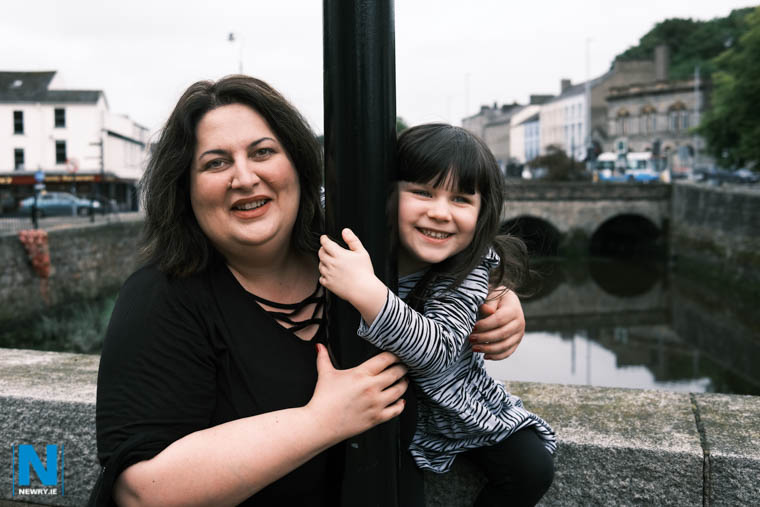
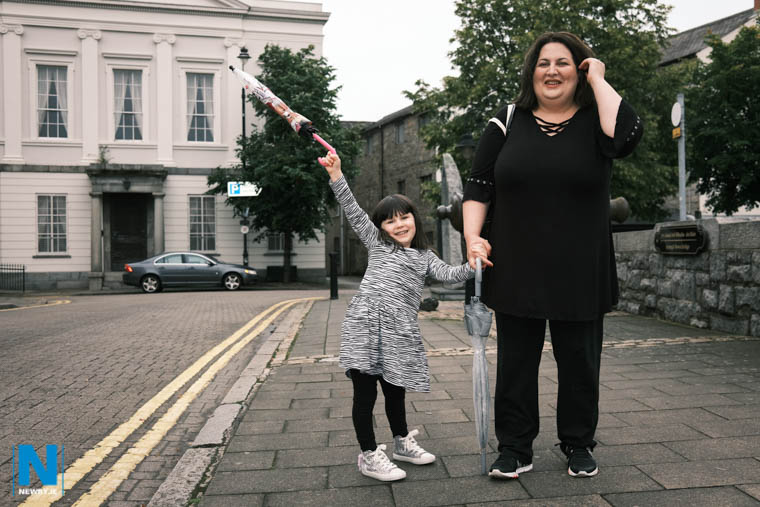
We’re sitting in the Shelbourne with lattes and cherry scones. Isabella’s five-year-old daughter, Katie, is having pancakes. My first time in a café for about four months. For Isabella it’s been even longer as she has isolated since March; for while many of us watched Covid-19 from far away, Isabella’s home country of Italy was already experiencing what was coming here.


Isabella is from Piacenza in northern Italy, just south of Bergamo and Milan. An area we now associate with the worst of the pandemic, and for Isabella watching that story unfold from Ireland, it has been traumatic.
“The first time I thought about the pandemic was when China was hit. It looked surreal, from a movie and so far away. So you really didn't think it could have been real in Europe, but it did not just hit Europe, it hit my hometown very badly. And I was in contact with my mother, my brother-in-law and my auntie. Another auntie and uncle suddenly died – one from Covid and the other one due to natural causes. And it hit so badly and I was hit by the death of family and friends.”
“So I was a couple of weeks ahead of things here in a sense, I was doing things that here you were not doing yet. Things that were not compulsory here because I was trying to protect myself by doing what people were doing in an area with the pandemic already in place like wearing a mask and gloves, and disinfecting my groceries. I remember having a conversation with a hairdresser who said it’s never going to come here but I said ‘you're going to change everything here’. In Italy, hairdressers were already having a brush for each different client, masks and aprons.”
I tell her I can’t imagine being away from home while something like this is happening. “This unknown was really difficult. I was trying not to scare my mom and she was trying to make me feel safe.”
Isabella’s mother could only go out of the house once a week for one hour. The police stopped and checked that people had the correct certificate to be out, fining those who broke the law. “I found it difficult here that there was only a suggestion to trust people to use their common sense but there was no law. Everything was closed but so many people were mixing. I was frustrated because I felt guilty for keeping my child in when people were still mixing and going out.”
Isabella had to watch her home town on the television. She watched as doctors and nurses she knew died. Everyone she knows was affected. No funerals or wakes. The area ran out of coffins. “It’s so difficult to accept. It’s a death but a different death. There’s no goodbyes, no grieving”.
How did she cope with it all?
“Homework! Every morning we did homework and it gave us that sense of normality. And thank God, my child loved it. We pretended to be in school, had a little lunch and a little TV in the afternoon. Katie is planning all the things to do when the virus has gone. And that's the greatest idea to keep on focusing on the good part, we will get out of this, and we will be happy again and we will do the things we used to do. We have a lot of friends to visit and a lot of dogs to visit!” Katie pretends to swoon at the thought of doggy visits.
What was Isabella’s escape? “I have Q radio on 24/7 with lovely music and funny people. It keeps me updated with what is going on in the town, and we love that. So we dance, we play, we cook cupcakes and pizzas. This situation was our fate and I took advantage of going back to what's important – your family, your health, and that’s it. There's no money that can buy this.”
“One thing was my wake-up call: As per guidelines I was buying my food beside my house in a small shop. And it was dearer than the main ones, but I thought I did the right thing. And I wore my mask and my gloves and I took Katie because I had no-one to mind her. We went three times in three weeks but the third time they didn't allow the child in. They wanted me to leave her outside with a girl who was minding children and I said I will not, so we walked that extra mile to the big shop because we needed groceries.”
“That made me think I can do this. I had a little bit more courage that maybe we could go out for an hour without our masks to a space where Katie could ride her bike. It’s healthy to take a walk, to go out to breathe but I don't want anybody in my house. Follow the guidelines and hope for the best because then there's nothing else you can do.”
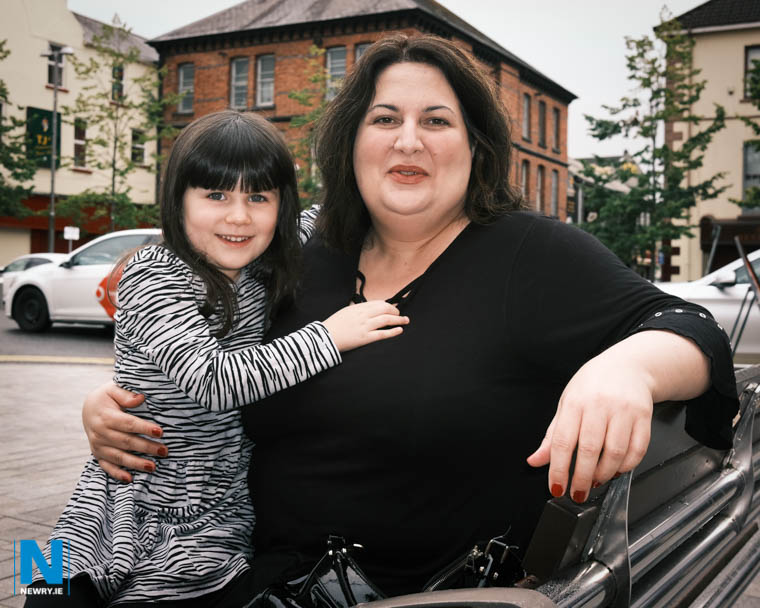
"People were being generous, selfless, but lately I think we are going back to normal, and maybe this captivity has made us angry like an animal in a cage"
Is our world going to change? Will we be better people?
“In the beginning, I thought yes, because for the first time I got to know my neighbours. People were being generous, selfless, but lately I think we are going back to normal, and maybe this captivity has made us angry like an animal in a cage. It didn't change as much as I hoped.
“I see the pandemic as a pregnancy. You can have a very hard labour, but when you see your child you forget everything. And so hopefully when children go back to school and some sort of normality, they will go back to what they were before. And they’ll forget. Katie is five so a few years down the line she will read about it and she will remember something but she’ll also remember we were making pizza and playing.”
But Isabella’s losses are very real and won’t pass as quickly.
“In March I was really fearful and upset because of the loss of my uncle who I was very, very close to and I couldn't go and I couldn't do anything. My cousin told me, ‘We’re all distant now’”.
Piacenza is a beautiful town. The kind of Italian town we picture with piazzas and churches. Population, 102,000. Total pandemic deaths, 967 in five months. In the Newry City area, that would have been nearly 256 deaths. I cannot fathom that much loss. Isabella has watched it from a distance and still somehow managed to keep Katie happy and dance around her kitchen. She is a remarkable woman.