
 Write a comment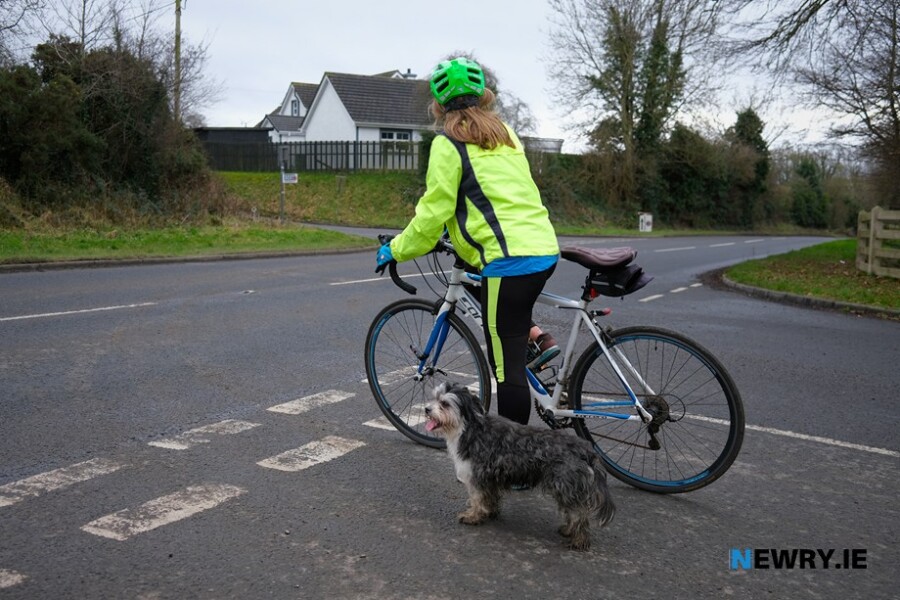
Residents of Newry, Mourne and Down District Council area are the least satisfied with the current situation locally for cyclists and walkers. This was revealed in a 2022/2023 report from the Department for Infrastructure on walking and cycling in NI. Those cycling were the most dissatisfied of all, potentially due to the lack of safe or any cycling infrastructure in our city, towns and villages.

A total of 2,527 adults aged 16 and over were surveyed in 2022-23. The report provides information on people aged 16 and over in Northern Ireland who walk and cycle to work, their levels of satisfaction with walking and cycling provision in their local area and their willingness to walk journeys of up to 2 miles (3km) or cycle journeys of up to 3 miles (5km).
Walking
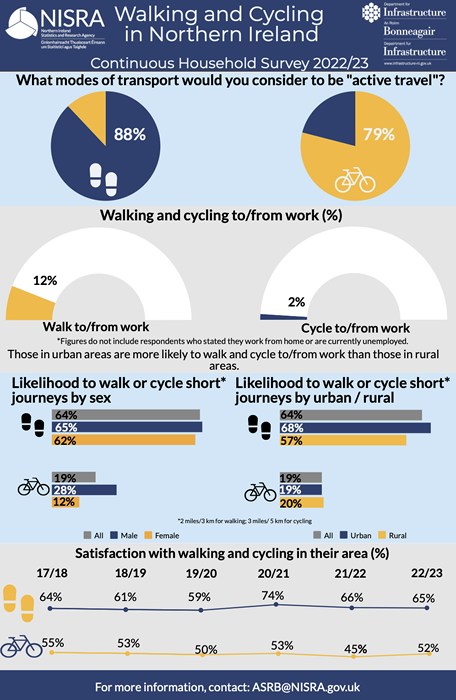
Those surveyed were asked "Are you satisfied with the current situation for walking and walkers in your local area at present?" with just 55% of Newry, Mourne and Down residents saying they were, the lowest satisfaction rate. Mid Ulster had the highest satisfaction rating at 78%. Although despite the local low satisfaction rate, 65% of local people would still be likely to walk on journeys up to 2 miles.
Cycling
Dissatisfaction with cycling was even more marked with just 41% of residents being happy when asked "Are you satisfied with the current situation for cycling and cyclists in your local area at present?" This compared again to Mid Ulster with the highest satisfaction rate at 69%.
When asked "Would you be likely to cycle any journeys you have to make that are up to 3 miles?" a meagre 22% said they would, a figure around average throughout the North with the highest proportion of people likely to cycle up to 3 miles being from Lisburn and Castlereagh at just 28%.
Other figures of note show that 27% of all respondents saw travelling in a car or van as 'active travel'. Lastly an average of just 9% of people walk to and from work falling to a tiny 2% cycling who use their bikes to go to work.
The Department say the information should help them in focusing its policies on addressing the key issues that prevent people from taking up active and sustainable travel and to encourage more people to use active and sustainable methods of travel, where possible.