 Write a comment
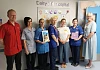
Dietitians from the Southern Health and Social Care Trust have been featured in a UK professional publication, sharing their experience of caring for acutely unwell older people through the Trust's Hospital at Home service.


The February edition of the British Dietetics Association's 'Dietetics Today' gives a first-hand account of a day in the life of dietitians working within the Southern Trust team. In a four-page spread it highlights the importance of good nutritional care for older patients and the challenges and rewards of delivering that care in a community setting.

The Southern Trust's Hospital at Home service was the first of its kind in Northern Ireland when it launched as a pilot in 2014. Since then it has continued to develop and expand, transforming the way unscheduled care is delivered to older people across the Southern area. Led by a consultant geriatrician, the team of doctors, nurses and allied health professionals treats acutely unwell patients aged over 65 in their own home or in nursing and residential care. Last year the service cared for 3,780 patients, with up to 60 people treated each day who would otherwise have required inpatient care.
The service's three dietitians, Stephanie McCann, Cúshla Kelly and Louise Sharpe, are part of a multidisciplinary team of 150 staff. Stephanie explains: "Good nutritional care is important for everyone, but particularly older adults when they are unwell, as they are at risk of complications such as malnutrition, dehydration and frailty. We are very proud that the Southern area was the first Hospital at Home service in Northern Ireland to recruit dietitians, which shows the real value of optimum nutrition in influencing recovery."
Cúshla adds: "It is a real privilege to work as part of a full multi-disciplinary team, each contributing our own professional knowledge to provide holistic care to acutely unwell older adults in their own home, who would traditionally have been assessed and cared for on a busy hospital ward."
Speaking of the role Louise says: "Hospital at Home really is a unique and exciting role for a dietitian. An inpatient admission can be stressful for anyone, particularly for an older person who may be less mobile, or for those who have cognitive impairment. There are also potential risks for patients from a prolonged hospital stay such as infection, delirium and deconditioning muscle strength. We hope that by offering high-quality care in their own home environment we will promote a better quality of life for our older population, avoiding more hospital admissions and freeing up beds in our very busy acute hospitals when it is safe to do so."
Members of the British Dietetics Association can read the article in full in the February edition of Dietetics Today at bda.uk.com.