Write a comment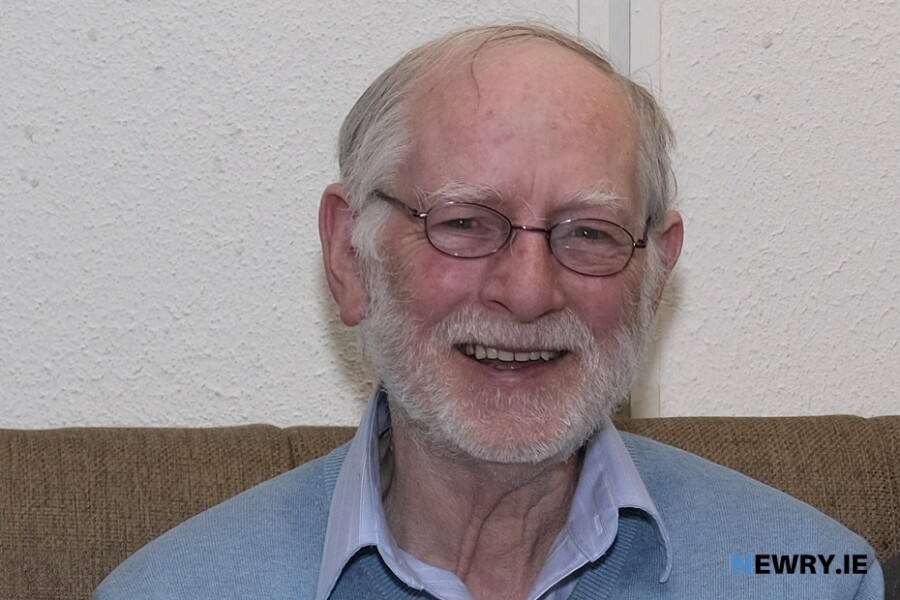
Renowned Newry-based poet Peter Makem has been lauded for his latest work, The Tribe of Earth, with the collection being described as “the most outstanding collection of lyric poetry since W.B. Yeats” by Declan Mc Daid, retired head of English at St Colman’s College, Newry.

Mc Daid, a respected literary authority, expressed his admiration for Makem’s ability to break away from the “tired tropes of much modern Irish poetry,” calling the work a significant and timely departure from convention. He emphasised that the collection challenges, inspires, and mesmerises readers with its depth, scope, and artistry.
“This is totally different in theme, structure, and depth to convention. It works to give fresh identity to the sense of human destiny, to the drives, rituals, beliefs, identities, themes, loves, and hatreds of the human race,” Mc Daid said.
“Some of these poems are among the greatest of all Irish poems. A collection such as this comes perhaps only once in a generation and deserves not only the widest possible readership but also the recognition that it is hugely significant in the renowned history of Irish poetry.”
Particularly notable within the work are twelve sonnets, which Mc Daid described as “a colossal achievement,” praising their “historical, thematic and poetic reach” as breathtaking. He claimed these sonnets could stand alongside the best in the tradition.
Mc Daid also highlighted Makem’s ability to merge his assured and measured writing style with the depth of his cultural heritage, including references to Irish traditional music and the centrality of the uilleann pipes.
The collection’s introduction also drew praise for its originality, tackling the age-old question of “What is art? What is poetry?” Mc Daid noted that this introductory piece is as groundbreaking as the poems themselves, offering insights into the mysteries of inspiration and poetic structure.
For those interested, the first section of this four-part collection is available for free at www.petermakem.co.uk allowing readers to experience the work for themselves.