 Write a comment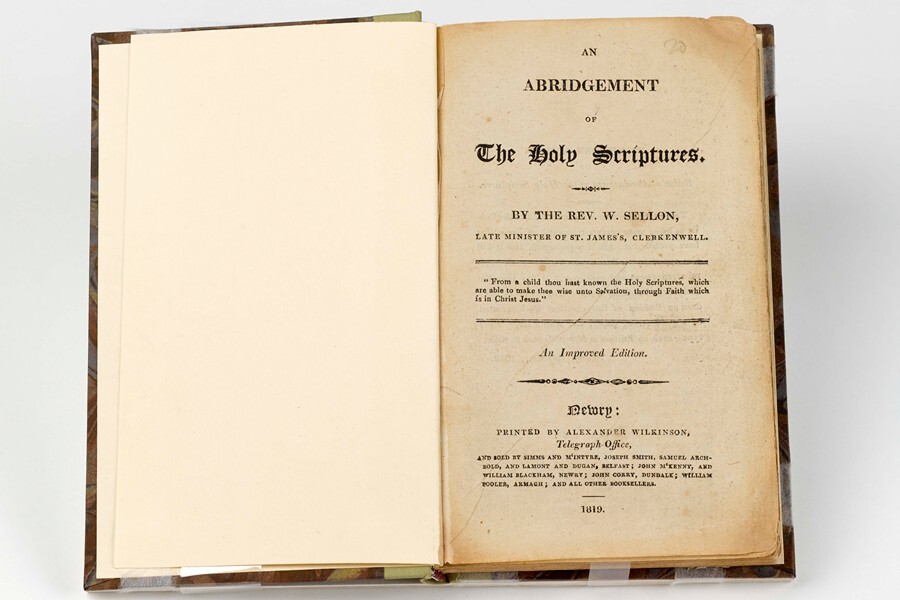
There have been libraries in Newry since the foundation of the city itself. The Cistercian abbey, established in 1153 and around which Newry grew, was an important religious establishment in Ireland at the time and had a library of religious manuscripts. The Annals of the Four Masters report that the monastery at Newry was burned in 1162 with ‘all its furniture and books, and also the yew tree which Patrick himself had planted’. However, the library was probably re-established and continued until the abbey was dissolved in the 1540s.
Although a printing industry had been in place in Dublin since 1571, it was not until 1750 that printing presses arrived in Newry and books, newspapers and business paraphernalia could be produced locally. Daniel Carpenter was one of the most noteworthy and prolific of these new printers, producing much of the work coming from Newry at the time. In 1766 he published the “Newry Almanack” which included times and dates for coaches, markets and information on roads. The press moved to large premises in Sugar Island in 1770 where it remained until 1802. Other printers in Newry included R. Moffet, also in Sugar Island, Robert Greer and Alexander Wilkinson.

Book clubs and reading societies had become common in the late 1800s due to an increased rate of literacy among the populace. The prohibitive cost of books made these societies a more affordable way to access the literature of the time. Many groups were started by the United Irishmen, including Newry Book Society formed in 1786 by William Drennan, also famous for coining the phrase “The Emerald Isle”. This society was ostensibly a private library and consisted of twenty members who paid a subscription and were subject to fines for overdue returns.
Other societies of the time included Newry Literary Society in the 1790s whose entire catalogue was destroyed in 1797, Newry Reading Society (1809-1832) which had 600 books in stock, the Atheneum book club which occupied 82 Hill Street from 1845, and Greek’s Circulating Library which operated from 1822 until the beginning of WWII. It should be noted that while these societies did make books more accessible, it was mainly wealthier merchants and middle-class landowners who availed of them.
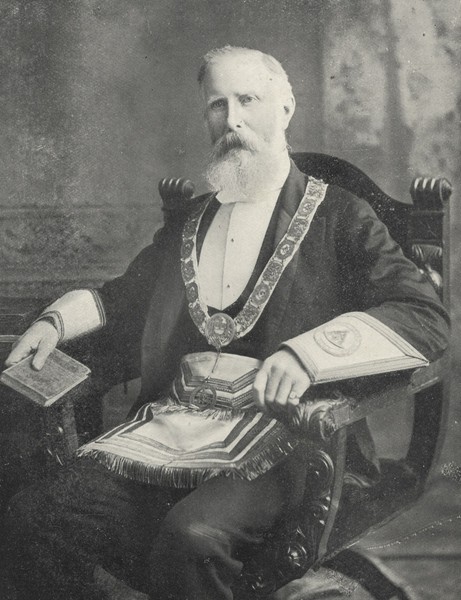
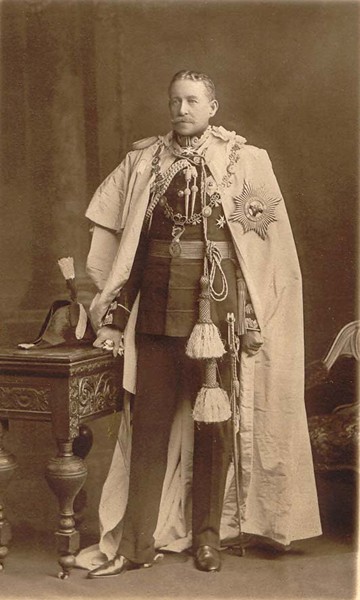
The passing of the Public Libraries (Ireland) Act in 1894 paved the way for the creation of Newry Free Public Library on 13th September 1897 on Hill Street. It was formally declared open by the Third Earl of Kilmorey, and an address was given by Dr Francis Crossle, a local historian, who collated much information on the social history and genealogy of Newry and its citizens. Catalogues of books published in 1897 and in 1912 show that the library contained biographies, volumes on the history and geography of Ireland, and copies of classic poetry and literature.
The library came under the jurisdiction of the Southern Education and Library Board in 1970, and Newry’s current Public Library was opened in January 1987, continuing a long and storied literary tradition on Hill Street.
The Museum is currently offering free tours of the exhibition galleries on Wednesdays and Thursdays at 2.00 pm. These must be booked in advance by calling our Education Officer at 0330 137 4422.
Newry and Mourne Museum is open Tuesday – Saturday 10.00 am – 4.30 pm. Please call 0330 137 4422 or email museums@nmandd.org for further information.
Please visit our website at www.visitmournemountains.co.uk