
 Write a comment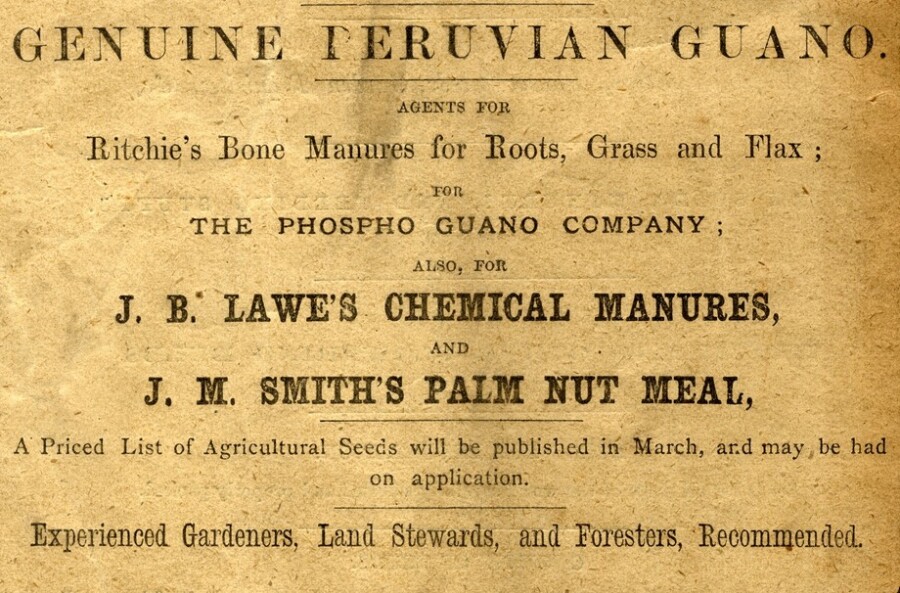
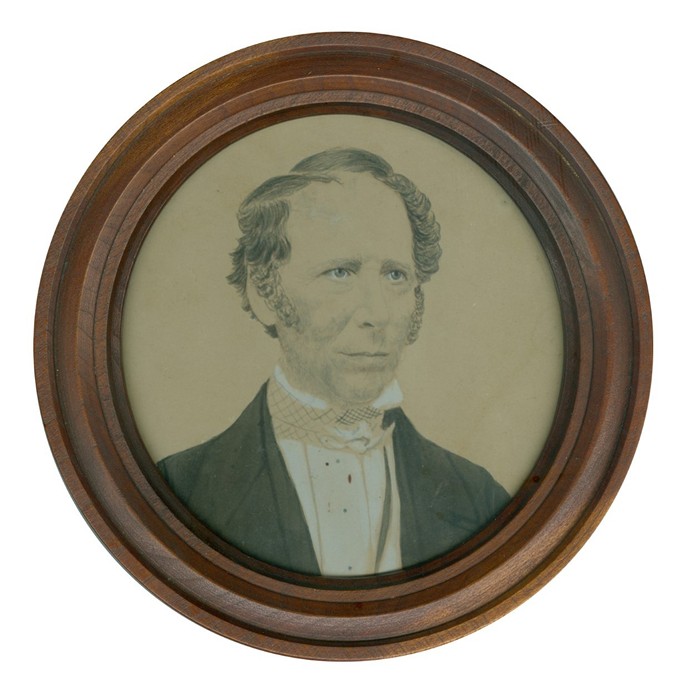
James Harshaw was a prominent Donaghmore farmer, playing an important role in the local affairs of the Parish, five miles north of Newry. Much is known about agricultural life in the area due to his diaries which span the period from the 1830s to the 1860s.
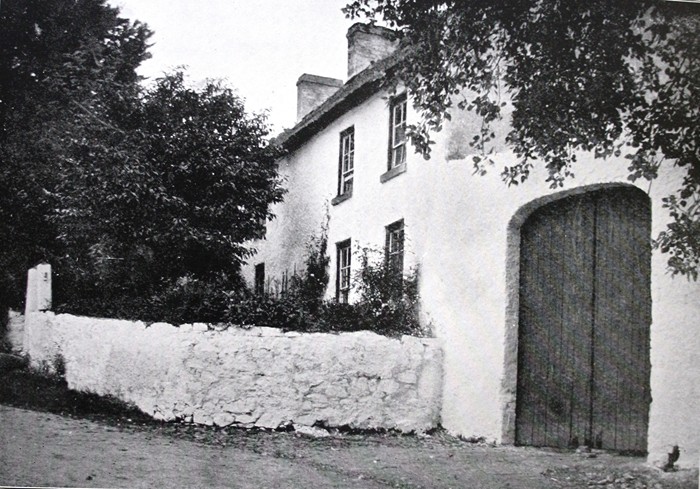
Although the Harshaw homestead was in the townland of Ringbane, James leased land in the neighbouring townlands of Ardkeragh, Annaghbane and Ringolish. In 1846 Hill Irvine became his landlord when he purchased the Donaghmore Estate for £11,000.

James was a progressive farmer who worked to improve the land by sowing clover, manuring the ground and using lime, brought from the lime kilns at Faughart to increase the productivity of the soil. His main crops were oats, flax, wheat, root crops, potatoes and hay. Seeds and fertilizers, including guano, were purchased from suppliers in nearby towns, such as McBlain and Co. in Newry.
Donaghmore had its own Farming Society, which held an annual cattle show and ploughing match. At the Society's cattle show held at the Fourmile House on the 9th October 1843, James Harshaw notes in his diary; “… got a silver meddle from the Royal Agricultural Improvement Society of Ireland for the best bull”.
James had a small herd of cows and also kept small numbers of sheep and pigs, with piglets sold on to other farmers to rear. Horses provided a means of transport and were used to work the fields. Turkeys were taken to Newry to be sold in December and eels were also a caught in the lough. His diary dated 23rd June 1862 records; “… run the lough for eels, more than a tun of them was caught in the eel wire... 24th . . . great tack of eels, about 22 cwt waight of them, which was sold to McMahon, the eelman at 6 s pir cwt”. Produce was bought and sold at local fairs and markets at Sheepbridge, Poyntzpass, Banbridge, Scarva, Camlough, Rathfriland and Newry.
Local mills also played an important part in farming life. Flax was sent to the mill at Loughorne for scutching, before being sold to linen producers in Bessbrook and Tandragee. Oats and wheat were sent to be ground in Glasker Mill or dried in Glasker kiln.
Farming was labour intensive and James records in his annual accounts the amounts paid to male and female labourers, many of them local and employed on a casual basis. Others were employed at the hiring fair in May and November, such as William Davison who was hired to serve for half a year for £3 10p on the 7th November 1859. His accommodation for the six months, shared with other labourers, was the sheep house. In 1861 he notes, “sheephouse likely to be burned by the boys neglecting to put out the candel before they fel asleep”. On this occasion, his daughter Sarah put out the fire with milk.
Work was seasonal; one of the summer jobs was to make mud turf on the bogs at Annaghbane, Ringbane and Kiddstown. Many labourers were involved in the process, with up to seventeen making mud on one occasion. A mud hole was created, the peat broken up and water added. When the required consistency was reached the mud was shoveled out and spread on level ground to harden and cake into turf. The turf was then cut and footed to allow it to dry out further before being clamped and finally stacked. The turf remained in the bog to dry before being brought back and stored in the turf house in the autumn.
The cutting of the last sheaf of the harvest, known as ‘cutting the churn’, was also recorded. This was usually followed by a celebratory meal; 6th September 1852 - "… ended sheering, cut the churn on the well field. . . John played the fiddle and the sheerers danced". The “churn” was taken to the farmhouse and either kept until the spring, when the grain was removed and sown, or until the following harvest, when the grain was fed to the animals. Although this signified the end of the grain harvest, work continued throughout the year.
The Museum is currently offering free tours of the main exhibition galleries on Wednesdays at 2.00 pm. These must be booked in advance by calling our Education Officer at 0330 137 4422.
Newry and Mourne Museum is open Tuesday – Saturday 10.00 am – 4.30 pm. Please call 0330 137 4422 or email museums@nmandd.org for further information.
Visit their website at www.visitmournemountains.co.uk