 Write a comment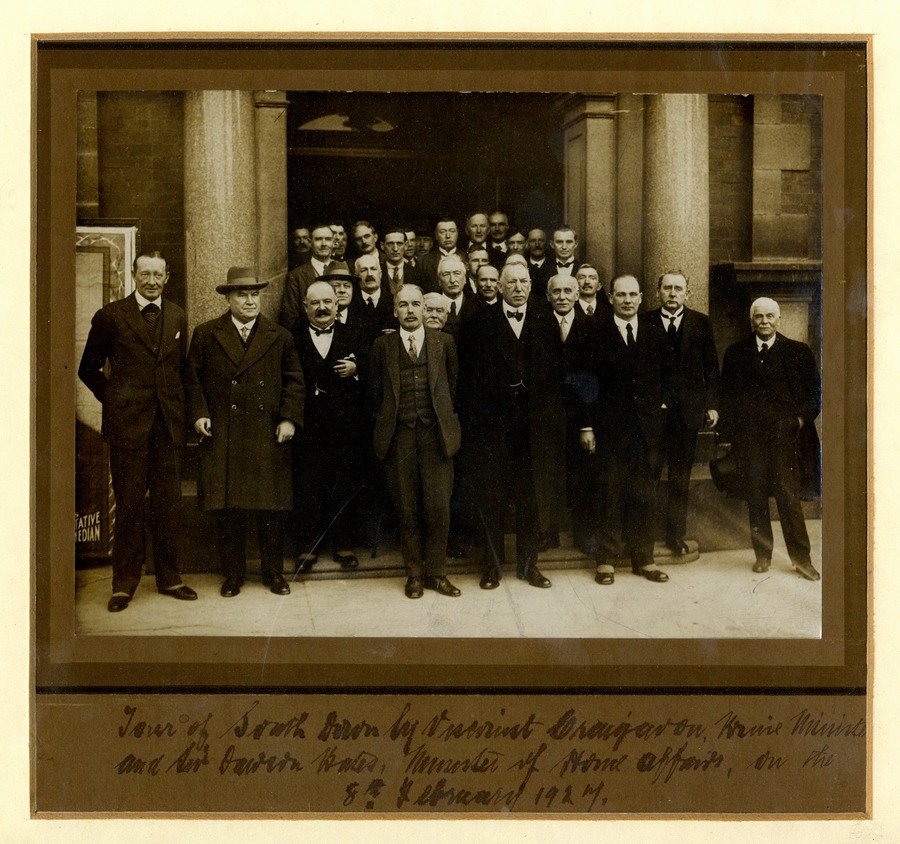
Last week’s article was an overview of the content of Newry and Mourne Museum’s new temporary exhibition – The Legacy: Newry 1920 – 1930 – which explores the impact of Partition in the local area. This week, Brian Walker, Emeritus Professor of Irish Studies at Queen’s University Belfast, begins a two-part edited version of his article on the visit of James Craig, Viscount Craigavon, to Newry in 1927 which is published in the exhibition booklet.

Among the Collections in Newry and Mourne Museum is a photograph which records a significant event in Newry on 8th February 1927. It shows members of Newry Urban District Council and members of other Newry public bodies with Viscount Craigavon, Prime Minister of Northern Ireland, on his visit to the town. They are standing in front of the Town Hall after a reception and lunch for their visitor.
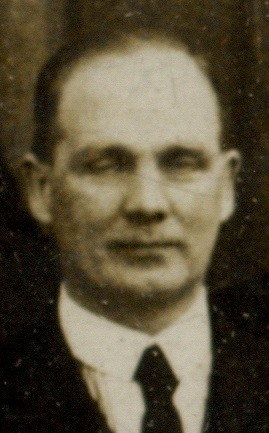
The photograph captures an important moment in the history not only of Newry but also of Northern Ireland. At this time Newry council was a rare example of what we would call today a ‘power-sharing’ council with a Unionist Chairman, William Robinson, and a Nationalist Vice-Chairman, Terence Ruddy. The council was made up of six Nationalist, six Unionist and six Labour councillors.
This visit of Craigavon arose as part of a ten-day tour to various parts of Northern Ireland. It occurred when, after the tumultuous period 1920-5, there were efforts to encourage political accommodation and reconciliation. These endeavours achieved certain success, as seen in Craigavon’s visit to Newry in 1927, but in the end political relations became highly polarized and confrontational.
The years 1920-2 witnessed considerable violence and political conflict in Newry and district. The next years were marked with much political uncertainty over the Boundary Commission. The outcome in late 1925 of no change to existing boundaries was met with disappointment by Nationalists and relief by Unionists. In January 1926, however, the election for Newry council had surprising results, reflecting the relevance for many of social and economic issues over constitutional matters.
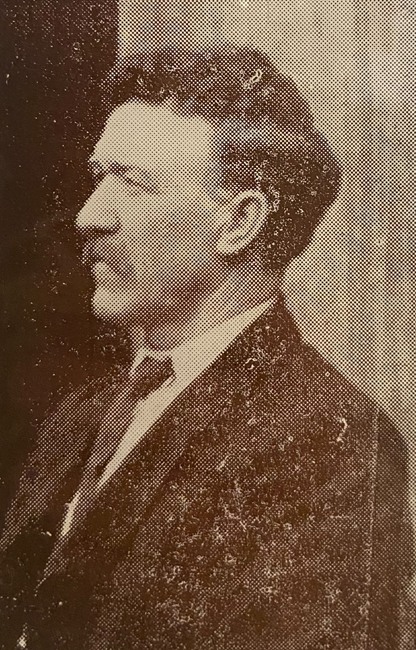
The outcome was the return of not only six Nationalist and six Unionist councillors but also six Labour councillors, including W.F. Cunningham, Chairman of the local Trades and Labour Council. There followed heated meetings over two days to elect the next Chairman. After different suggestions to break the deadlock, such as drawing lots, a secret ballot was held.
This led to the election of Unionist William Robinson as Chairman, the first Unionist Chairman for over twenty years. He was managing director of the Newry firm of Foster & Co. Ltd. The Nationalist Terence Ruddy was elected Vice-Chairman. Appointments to standing committees resulted in three members of each party in each committee.
In 1922 Sir James Craig conducted a tour of the border areas but subsequently he was involved in annual tours of all the counties of Northern Ireland. On 24th January 1927, Craig, recently elevated to the peerage as Viscount Craigavon, attended a public luncheon in Belfast City Hall. He announced plans for a ten-day tour of local authorities to assure them that their interests would not be neglected by the government. He would be accompanied by Sir Dawson Bates, Minister of Home Affairs.
In concluding remarks, he declared: ‘Not only did peace reign in their midst, but Protestants and Roman Catholics were working together for the common good and Ulster might now be looked upon as one of the best parts of the Empire’.
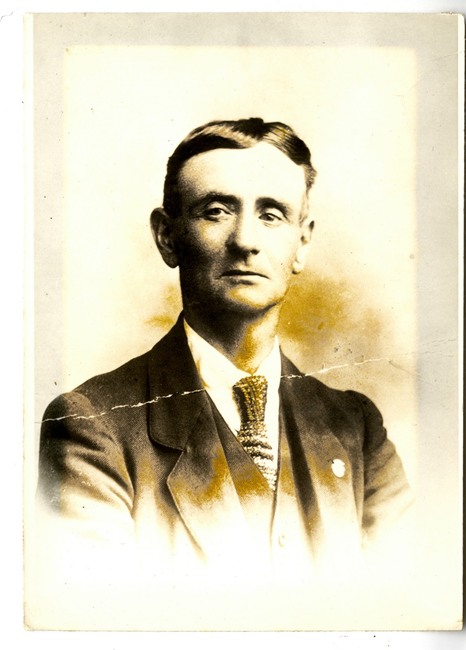
On the morning of 8th February Craigavon and Bates travelled to Kilkeel where they met members of the local Board of Guardians, who raised concerns about the fishing industry. The next visit was to Warrenpoint where they were greeted by members of the Urban Council. Edward Byrne, Nationalist Chairman, welcomed Craigavon.
He stated: ‘They might not always have seen eye to eye on political matters but they believed that his lordship was, and would continue to be on the side of peace and goodwill’. He urged support for the port.
The Nationalist Vice-Chairman, Francis Connolly, paid tribute to Bates as ’the man who, in the darkest hour in the history of their province, with his back to the wall, used his strong hand in putting down crime of all sorts’. Craigavon promised to back port improvements. The two visitors then proceeded to Newry.
Next week Professor Walker will consider the events of Viscount Craigavon’s visit to Newry.
The Museum is currently offering free tours of the exhibition galleries on Wednesdays and Thursdays at 11.00 am. These must be booked in advance by calling our Education Officer at 0330 137 4422.
Newry and Mourne Museum is open Tuesday – Saturday 10.00 am – 4.30 pm. Please call 0330 137 4422 or email museum@nmandd.org for further information.
By Brian M. Walker