
 Write a comment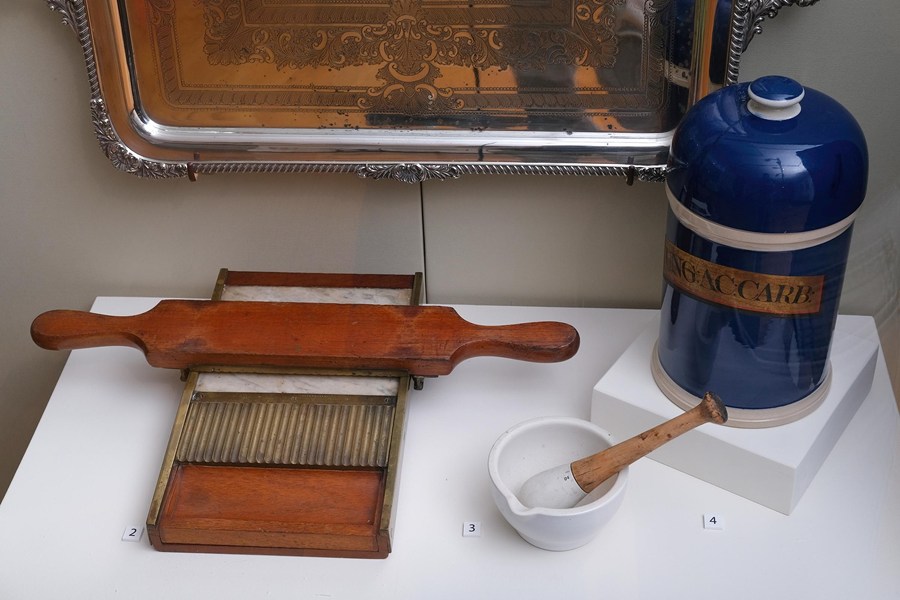
Continuing with a series of articles to coincide with Newry Museum's exhibition, Caring for the Community: The Development of Medicine in Newry and Mourne, this week we look at the development of early dispensaries in the district.
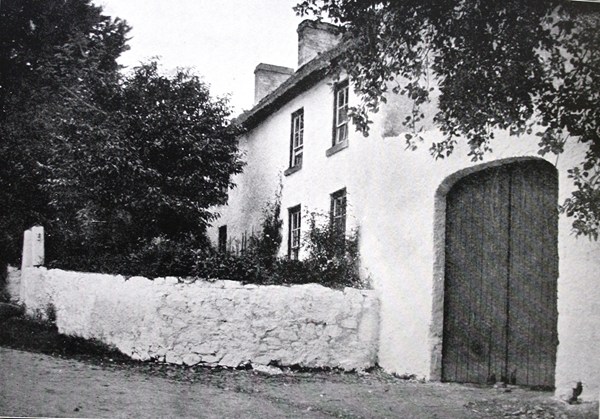
Up until the 18th century, medical provision was only available to those who could afford to pay. This began to change with the passing of an Act in 1765 by the Irish Parliament to enable the Grand Juries to establish County Infirmaries. These were located in Armagh and Downpatrick and owing to the distances required to travel to them, another Act was passed to help establish dispensaries to “afford medical and surgical need to the poor”. The first charitable dispensary in the area was located in Rathfriland and was funded by the Meade family, who were the local landlords.

In 1805 another Act was passed which allowed Grand Juries to match funds raised by local subscribers and establish a formal system of charitable dispensaries. Dispensaries set up as a result of this Act include Newry, Warrenpoint/Rostrevor, Kilkeel, Donaghmore, Meigh/Jonesborough, Mullaglass and Crossmaglen. These were run by committees of subscribers, comprised of local landlords, farmers and business owners, who appointed and paid the medical officer and provided premises for the dispensary. Each subscriber was allocated a number of tickets, based on their donations, to distribute to those in need.
The medical officer was expected to attend at the dispensary at pre-arranged times to see patients and visit at home those who were too ill to attend. They provided the committee with an annual report containing expenditure, patients and conditions treated. In 1835, in addition to tickets to attend the dispensary in Newry, tickets were issued for the treatment of 482 patients at home, amounting to over 3,000 visits in total. Prescriptions dispensed for the same year totalled 9,260. Many of the poor in the district suffered greatly from a lack of good food and accommodation. A report for the same year by Dr John Morrison, Surgeon to the Newry Dispensary and Fever Hospital, cites a lack of nourishing food, warm clothing and warm dwellings as the cause of diseases of the lung, fever and dysentery in the poor. He suggests the Workhouse and Mendicity Committee distribute, ‘as soon as possible, a more than ordinary quantity of clothing and fuel’.
In 1851 the Medical Charities Act was passed allowing relief previously only available in workhouses, county infirmaries and charitable dispensaries, to all who needed it. This improved the provision and management of dispensaries, with the Board of Guardians dividing their unions into dispensary districts, funded by poor rates from the district. Existing charitable dispensaries were incorporated into the new system. Donaghmore and Poyntzpass Dispensary District was formed on 16th January 1852 by the Newry Board of Guardians. The Act required further duties to be carried out by the dispensary medical officers including carrying out vaccinations and dental procedures. In 1863, they were made registrars of births and deaths and of Roman Catholic marriages. The workload steadily increased. Medical officers were on duty 24 hours a day, seven days a week for 48-50 weeks a year, often with poor pay.
The dispensary system carried on until the introduction of the National Health Service in 1948. It was replaced with general practices providing services to registered patients.
Entry to Caring for the Community: The Development of Medicine in Newry and Mourne is free and the exhibition runs until early September 2023. For further information please contact the Curator at 0330 137 4608.
The Museum is currently offering free tours of the exhibition galleries on Wednesdays and Thursdays at 2.00 pm. These must be booked in advance by calling their Education Officer at 0330 137 4422.
Newry and Mourne Museum is open Tuesday – Saturday 10.00 am – 4.30 pm. Please call 0330 137 4422 or email museums@nmandd.org for further information.
Please visit their website at www.visitmournemountains.co.uk