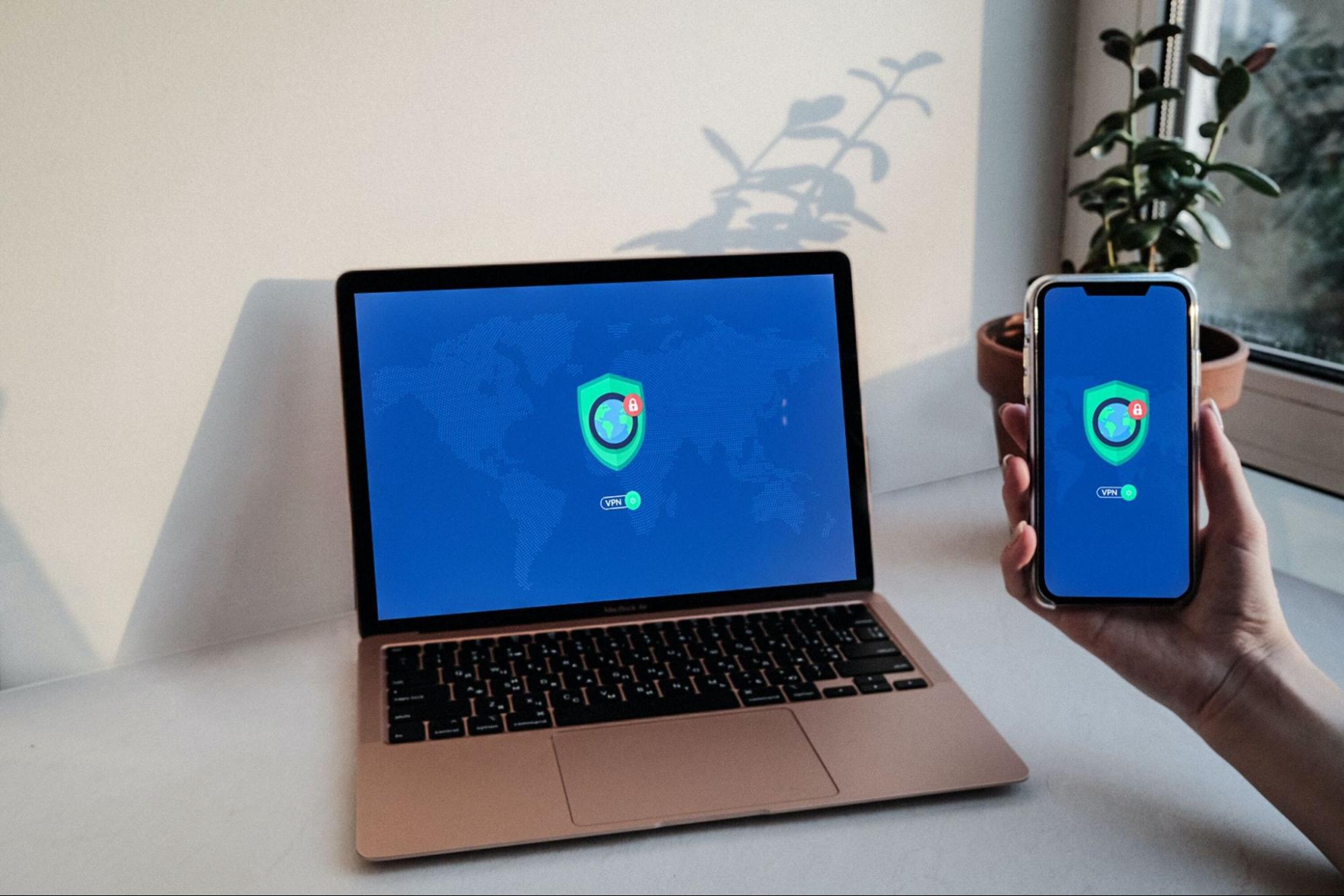
Self-education has fundamentally reshaped how humans acquire skills. From late-night Python tutorials and data science bootcamps to mastering foreign languages on community forums, motivated individuals no longer wait for a professor to hand them a syllabus. We love to imagine the World Wide Web as an infinite, borderless library where any curious mind can read any volume. That idealized vision, however, crashes hard against the daily reality of geo-restrictions, digital licensing walls, and regional web censorship. Global web analytics show that roughly 31% of internet users worldwide rely on virtual private networks to bypass artificial boundaries and maintain unrestricted access to information.
Digital borders are enforced with startling precision. When an independent researcher in South America tries to view a documentary produced by a European public broadcaster, or a student in Asia attempts to download open-access white papers from a foreign university repository, an error message frequently appears. Seeing "This video is not available in your region" stings when you are trying to master a complex academic subject. Educational equality cannot exist when server locations dictate who gets to learn.
Unlocking Global Curriculums and Digital Repositories
Accessing lecture series from MIT, Oxford, or Tokyo University should be straightforward, yet geographical geo-blocks constantly intervene. Anyone who has hit a digital paywall or regional blackout knows the frustration. If you want seamless access across mobile and desktop devices without breaking a sweat, you can check out VeePN tools to see how modern encryption bypasses localized firewalls. Many beginners experiment with a free VPN to test whether foreign academic portals open up, but heavy learners often upgrade to dedicated VPN apps for steady download speeds.
Public broadcasting archives present an incredible learning opportunity that most international students miss out on completely. Channels like the BBC, PBS, and Franco-German ARTE host thousands of hours of high-caliber documentaries on anthropology, world history, and astrophysics. Because those programs are paid for by local taxpayers, they are shielded behind tight digital fences. Changing your virtual location opens those vaults immediately, turning foreign public archives into your personal classroom.
Coffee-Shop Scholars and the Reality of Wi-Fi Hazards
Studying from a bustling local coffee shop or municipal library has become the quintessential habit of modern independent learners. Unfortunately, unencrypted public Wi-Fi hotspots are notorious playgrounds for packet sniffing and credential theft. Running a lightweight VPN extension directly inside your web browser offers instant encryption without consuming your laptop's system resources. It keeps your login passwords, research tabs, and private forum discussions invisible to eavesdroppers sitting at the next table. Security is never an afterthought when your whole academic archive lives in the cloud.
Independent cybersecurity audits reveal that nearly one in four people using unsecured public Wi-Fi networks have encountered privacy intrusions or identity theft attempts. If you are entering login credentials into school portals, uploading your original source code to remote repositories, or purchasing reference books over shared networks, you are exposed. Encrypting that connection shields your active sessions from malicious third parties sharing the same wireless router.
Sidestepping Campus and Workplace Network Restrictions
Many self-directed scholars must balance their personal development with traditional full-time employment or university obligations. It is common to use lunch breaks or study halls to watch programming tutorials, review technical documentation, or read industry discussions. However, institutional system administrators often implement heavy-handed web filters. These broad blocks routinely cut off video platforms, developer forums, and collaborative software communities in the name of productivity.
-
Developer communities: Platforms like Reddit, Discord servers, and Stack Overflow mirrors are often blocked on office networks.
-
Video learning hubs: Video-streaming services hosting essential lectures frequently suffer from bandwidth throttling.
-
Language exchange software: Voice and video chat tools used to practice with native speakers get restricted by institutional firewalls.
Overly restrictive blocklists do not differentiate between someone wasting time and someone studying advanced mathematics. Routing your web traffic through an encrypted tunnel makes your browsing activity indecipherable to local network filters. The local network sees only scrambled data packets, granting you the liberty to utilize your free time for legitimate personal growth.
Safeguarding Sensitive Research and Academic Privacy
Not all self-education deals with uncontroversial topics like basic coding syntax or introductory graphic design. Independent journalists, citizen scientists, and amateur historians regularly research sensitive political events, public health data, cryptography, and corporate malpractice. In many parts of the world, visiting investigative outlets or reading historical accounts that contradict official state narratives can attract unwanted attention from commercial trackers and state monitoring programs.
Commercial Internet Service Providers (ISPs) track and log browsing habits by default, frequently bundling and selling consumer data profiles to marketing conglomerates. Independent thinkers should never have their intellectual curiosity recorded, analyzed, or monetized against their will. Robust connection privacy gives learners the psychological freedom to explore complex, taboo, or contentious subjects without fearing reputational fallout or invasive digital profiling.
The Verdict: Necessity or Digital Luxury?
Are virtual private networks an absolute requirement for everyone who picks up a digital book? If your curriculum involves nothing more than reading local library articles and perusing Wikipedia, you can probably manage without one. But if you take your personal development seriously—seeking foreign repositories, dodging algorithmic price discrimination, and studying securely from coffee shops—the balance tips immediately.
Self-education is fundamentally about autonomy. You are actively stepping outside conventional educational pipelines to build your own intellectual foundation. Equipping yourself with dependable digital privacy tools ensures that no corporate gatekeeper, arbitrary geoblock, or public Wi-Fi snooper stands between you and the knowledge you need.