 Write a comment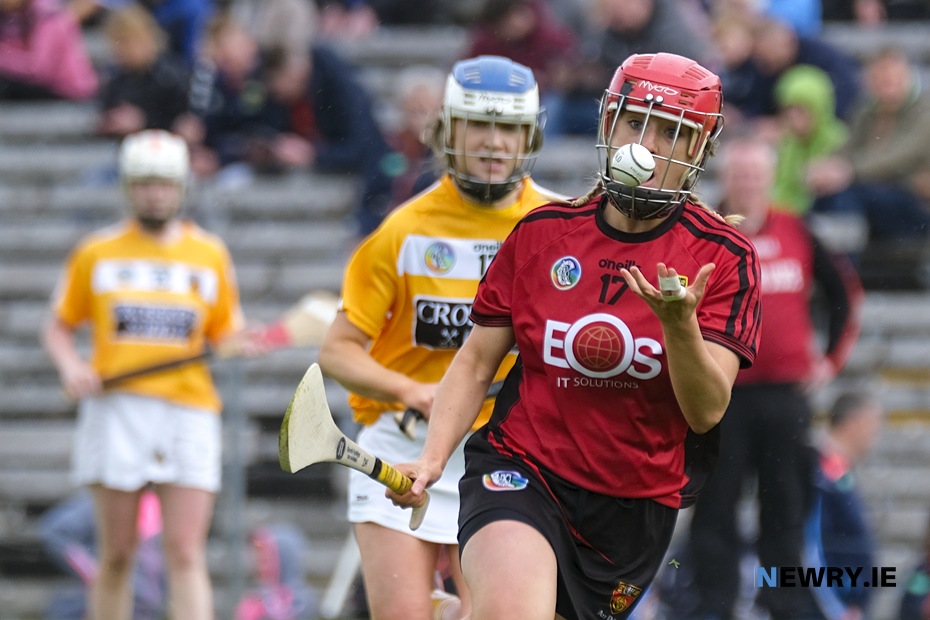
The long-awaited integration of Ireland's three main Gaelic games organisations is moving closer to reality, with the Steering Group on Integration revealing nine core principles that will shape the future of the GAA, Camogie Association, and Ladies Gaelic Football Association.

After months of extensive consultation with members across all three bodies, the steering group has outlined a roadmap that would see the creation of a single GAA organisation whilst preserving the existing club and county structures that form the backbone of Irish sport.
The proposed changes would maintain the familiar four-tier system of Club, County, Province and National levels, with competitions continuing across all four codes - hurling, football, camogie and ladies football. Current officer roles would largely remain unchanged, though additional positions may be introduced to ensure equal representation for all sports.
One of the most significant changes would see all clubs formally affiliated with the new integrated GAA, though the steering group has stressed that any local mergers or amalgamations would be entirely at the discretion of individual clubs and communities.
The integration timeline remains on track for 2027, with a unified membership structure planned for all members post-integration. The Official Guide and existing rules would stay largely consistent with current GAA documents, with amendments introduced only where necessary to support the new structure.
However, it's important to note that these remain provisional proposals. Nothing will be finalised until formal debates and votes take place at all three national congresses, where the ultimate decision-making power rests with the membership.
The steering group has agreed on nine core principles for integration. The integration timeline continues to work towards the schedule as previously communicated. Post integration, there will be one Association, called the GAA, with a single membership structure applying to all members after integration. The basic structures of Club, County, Province and National will remain consistent with existing models.
Current officer roles at each unit will largely remain, including core roles such as Secretary, Treasurer, and Children's Officer. Some additional roles will be introduced to ensure all codes played in a unit are equally represented on the Management Committee or Executive, with bye-laws continuing to be permitted. The Treoir Oifigiúil (Official Guide), along with existing Rules and Codes, will remain largely consistent with current GAA documents, though amendments will be introduced as necessary to support the effective operation of the new integrated Association and to ensure appropriate representation of the Camogie Association and the Ladies Gaelic Football Association within the rules.
A new GAA club constitution will be introduced to reflect the expanded range of playing codes in the new association. Following integration, all clubs will be formally affiliated with the new GAA, though in certain instances this may result in duplication where separate Camogie, GAA or Ladies Football clubs currently exist within the same area. Decisions regarding potential mergers or amalgamations will remain at the discretion of the local units, with both the approach and timing to be determined locally. Competitions at all levels will continue across the four codes, with enhanced coordination and integration.
The steering group believes these principles provide a clear framework for a unified future whilst respecting the traditions, structures, and autonomy of clubs and members.
Speaking about the challenges ahead, steering group chairperson Mary McAleese highlighted the crucial role facilities will play in the integrated future: "If we are to remain true to our core objective of providing playing opportunities for all members of our communities, we must recognise that the full flourishing of Gaelic games is intrinsically linked to the adequacy and accessibility of our facilities. The future of our games will require full inclusivity, ensuring equal access for all participants. Inevitably, this will necessitate a strategic call on funding in due course, so that we can continue to honour our commitment to the Gaelic games family in every community."
The steering group comprises the three association presidents - Brian Molloy (Camogie Association), Jarlath Burns (GAA) and Trina Murray (Ladies Gaelic Football Association) - along with the three directors general Sinéad McNulty (Camogie Association), Tom Ryan (GAA) and Helen O'Rourke (Ladies Gaelic Football Association), with Mary McAleese serving as chairperson.
The group will continue to engage with members as they work towards presenting final proposals for consideration by the three national congresses, where the democratic decision-making process will ultimately determine whether integration proceeds.