
 Write a comment
A Mournes councillor has raised concerns that a Stormont clean air policy could cause council “snooping” on rural homes.
A zero pollution strategy is set to be formed by the Department of Agriculture, Environment and Rural Affairs (Daera) with a consultation deadline next week (Oct 27).

However, a council chamber has heard high costs of heating oil has seen a return of open fires in local homes this winter with fears people could be further punished in the pocket in a cost of living crisis.

Councillor Henry Reilly said: “I’m concerned about this report on the aspect of our council having to monitor and enforce whatever regulations come out.
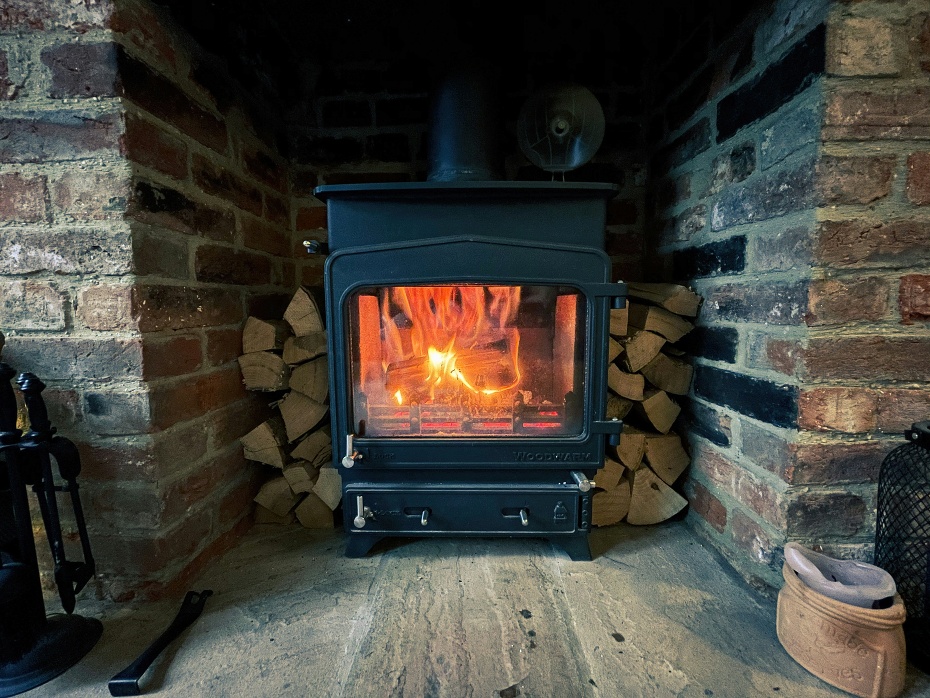
“You will know with the price of oil going up more and more, people are reverting back to their stoves and open fireplaces and burning timber.
“I would not want our staff going about snooping on people who may be burning coal or timber in their fire…especially in rural areas.
“So, I think this is over the top in many aspects.”
Newry, Mourne and Down District Council’s response to the Daera consultation states that if it should have an enforcement role..in the expansion of the NI local air quality monitoring network, the local authority should be supported by appropriate funding and resources.
Councillor Reilly added:“It’s just a form of government control that they want to dictate what sort of heating people have in their homes.
“Certainly I would not want us to become a snooping brigade, for Daera, to penalise people, many of whom are in fuel poverty and can’t afford some of the sophisticated heating methods, like heat pumps.”
According to the council report, Daera is aiming to bring about lower levels of toxic air particles with a compliance start date in the new year.
The report before the chamber shows the department would look to start new air quality measures from January 2027 with a full compliance progress report for January 2028.
The pollutant particles in question have been linked to respiratory and cardiovascular disease, cancer, and premature mortality according to the council paper.