Write a comment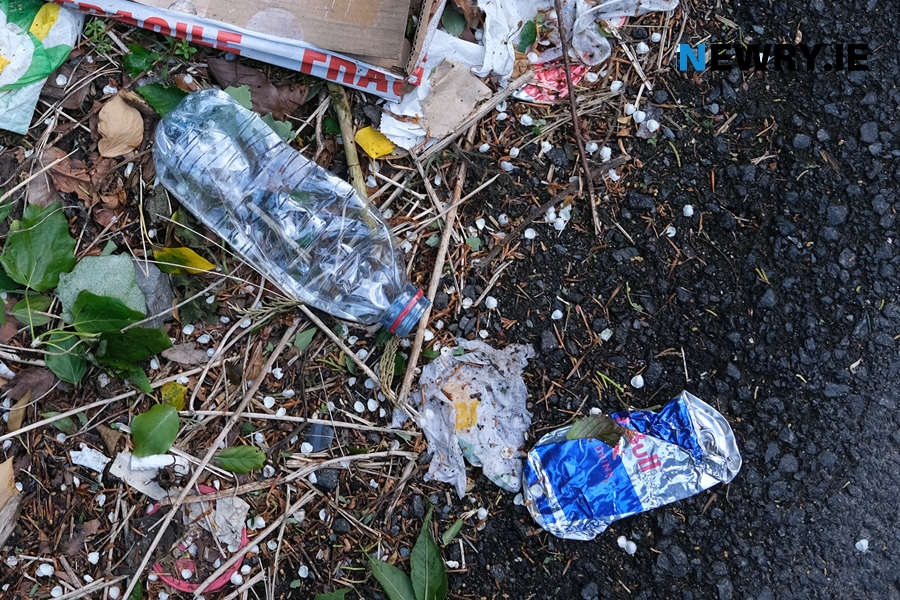
A new Deposit Return Scheme for plastic and canned drink containers is set to be introduced here in 2025. Older readers will remember a time when you returned your lemonade bottles for cash. Indeed as a child it was a great way to source a bit of pocket money. This scheme isn't including glass bottles but it should help to substantially reduce littering with cans and plastic bottles accounting for much of the rubbish found at local roadsides.

Every year NI consumers go through an estimated 420 million plastic drinks bottles and 90 million drinks cans, many of which are littered or condemned to landfill. Evidence has shown that a Deposit Return Scheme can become a simple part of daily life to make recycling easier - recycling rates in countries such as Germany, Finland, and Norway, which employ such a scheme, are above 90%. Current recycling rates for drinks containers in the UK have plateaued at around 70%.
Through a small refundable deposit placed on single-use drinks containers, the Deposit Return Scheme will incentivise people to recycle their drinks bottles and cans to redeem their deposits. Evidence suggests that an effective scheme could increase recycling rates to at least 90%, reducing littering of these drinks containers by around 85%, and reduce plastic pollution. DAERA will work with its counterparts in England and Wales and with industry to press ahead with delivery of the scheme.
In addition to the Deposit Return Scheme, DAERA is also introducing an Extended Producer Responsiibility Scheme for packaging, which will mean packaging producers and manufactures will cover the costs of recycling and disposing of their packaging. This will drive higher collection and recycling rates of packaging and covers any drinks containers not included in the DRS such as glass, cartons, or high-density polyethylene (HDPE) plastic, which is used for most fresh milk packaging.
The materials captured in the deposit return scheme in Northern Ireland and England will be single-use drinks containers made from polyethylene terephthalate (PET) plastic, steel, and aluminium.