 Write a comment
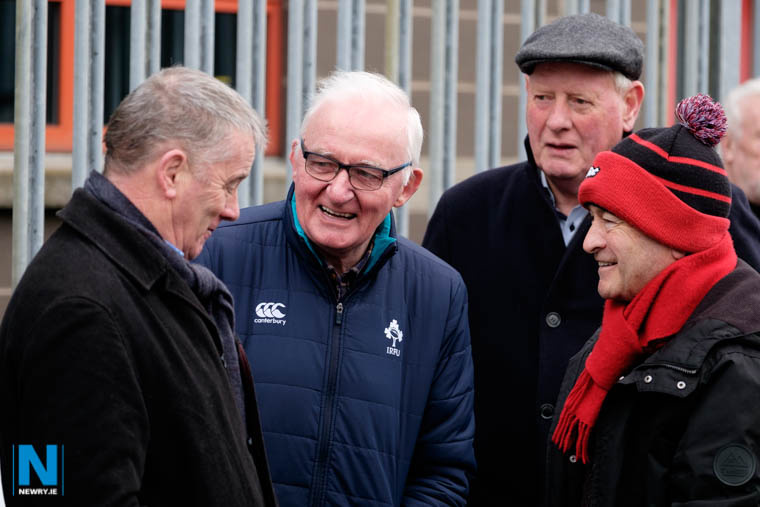
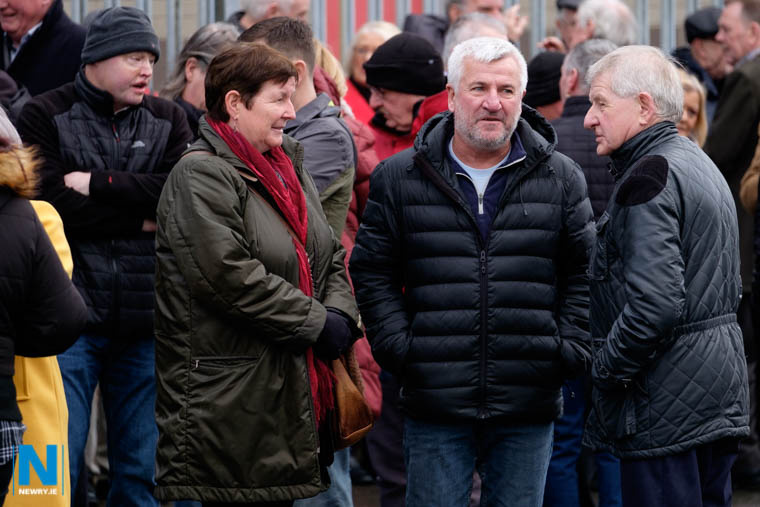
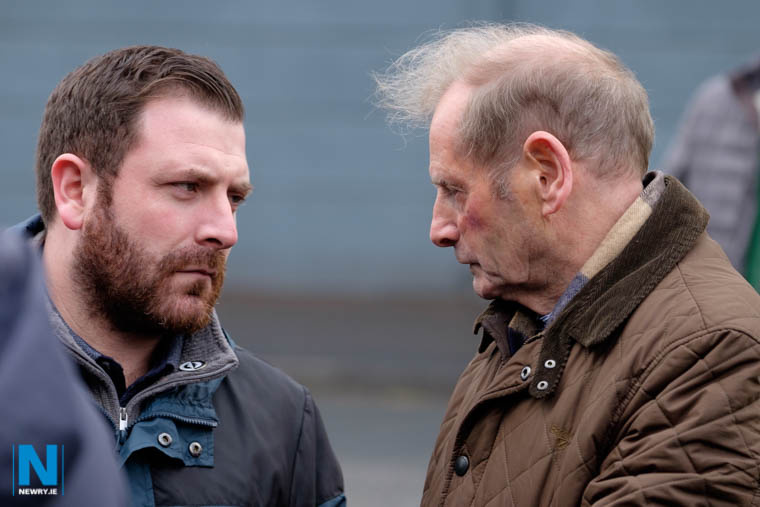
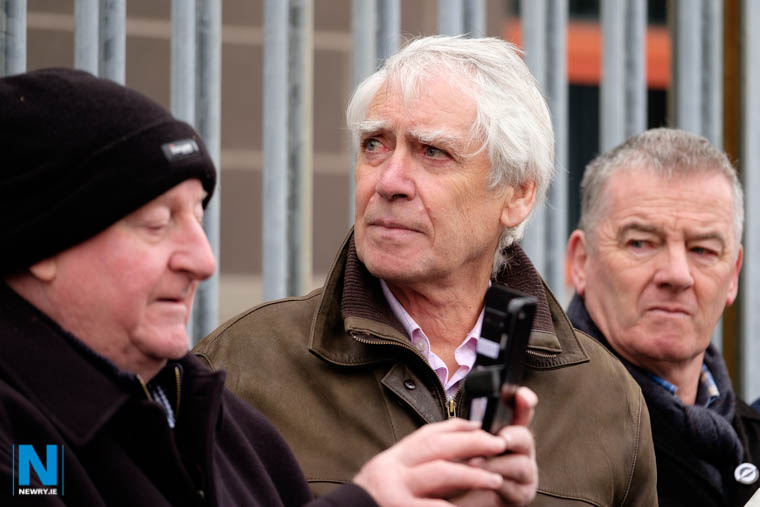
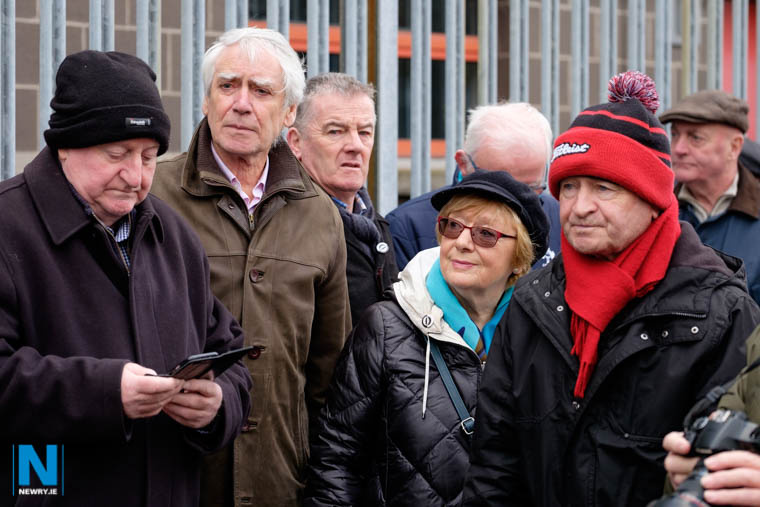
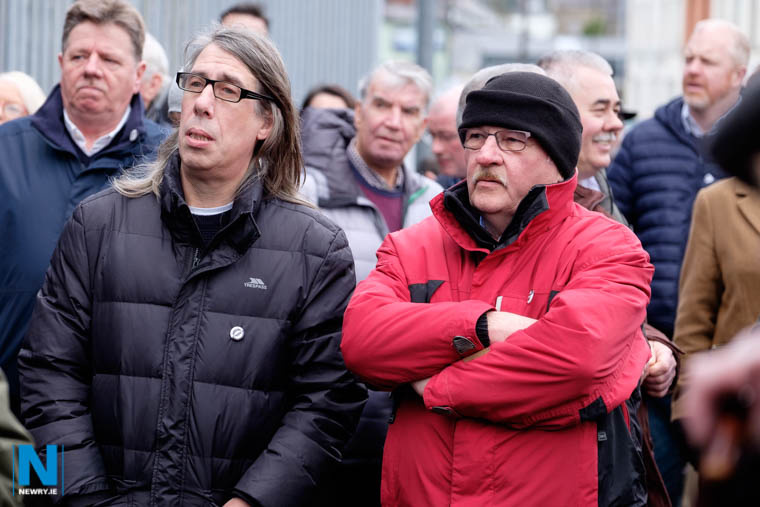
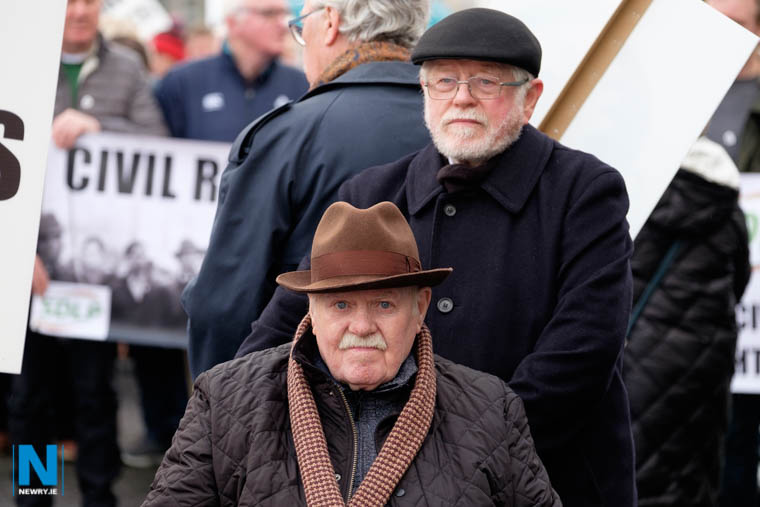
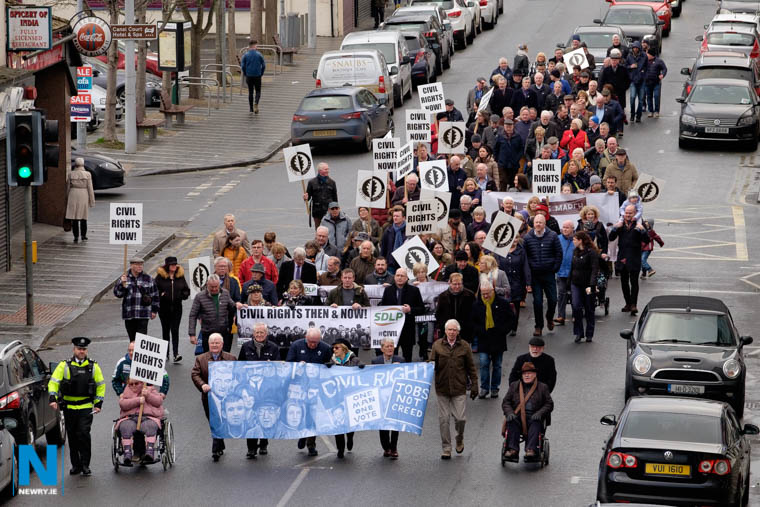
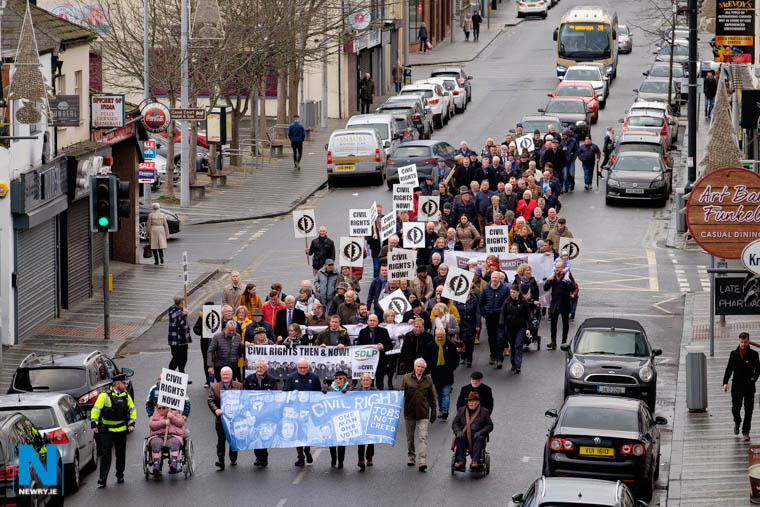
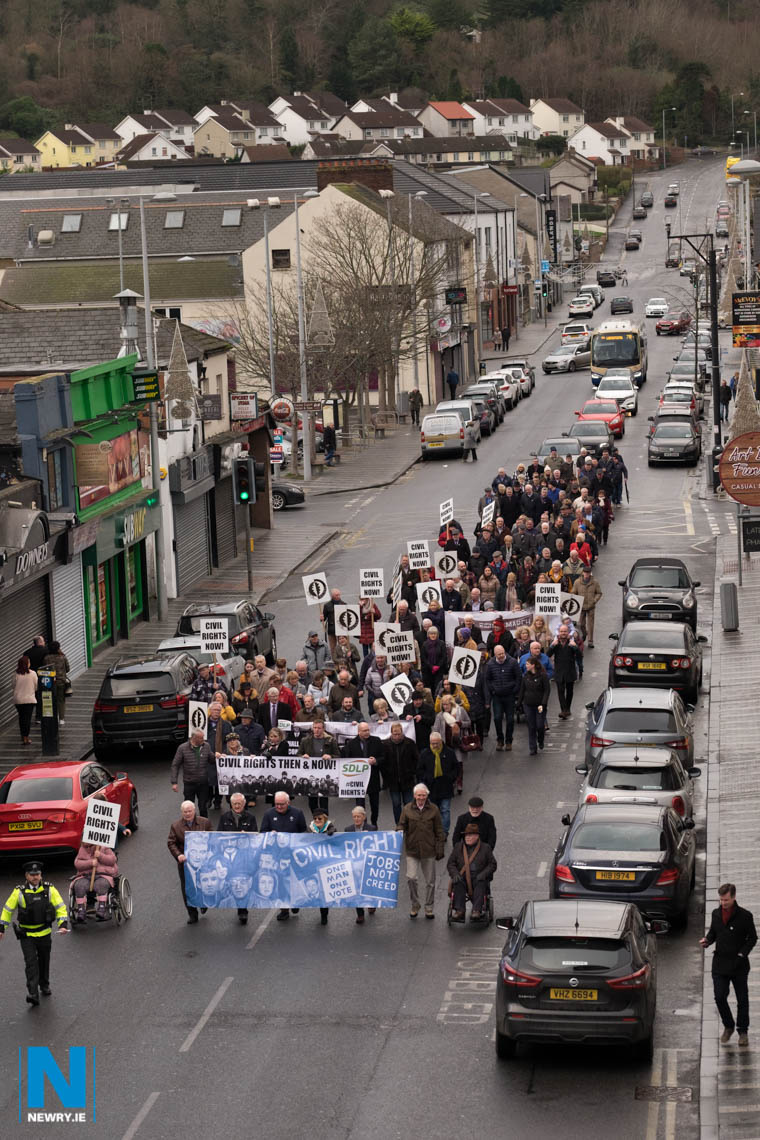
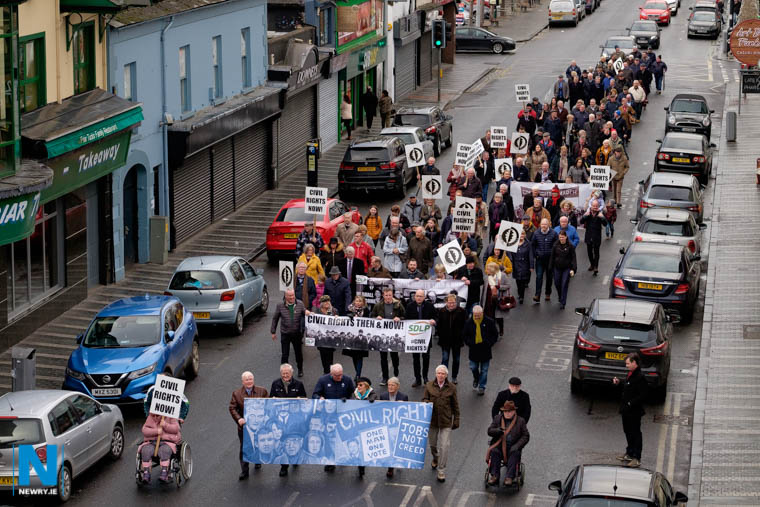
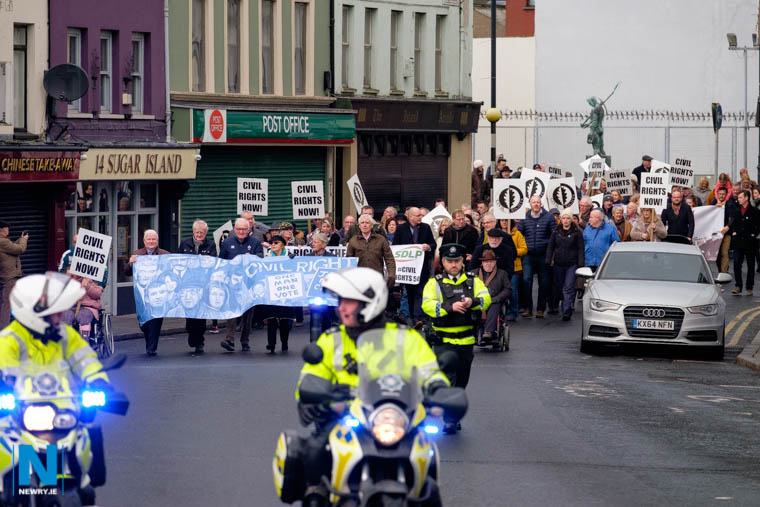
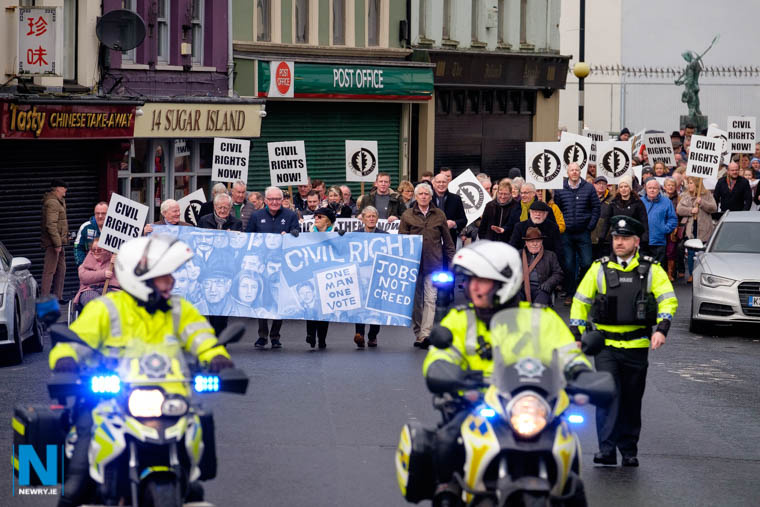
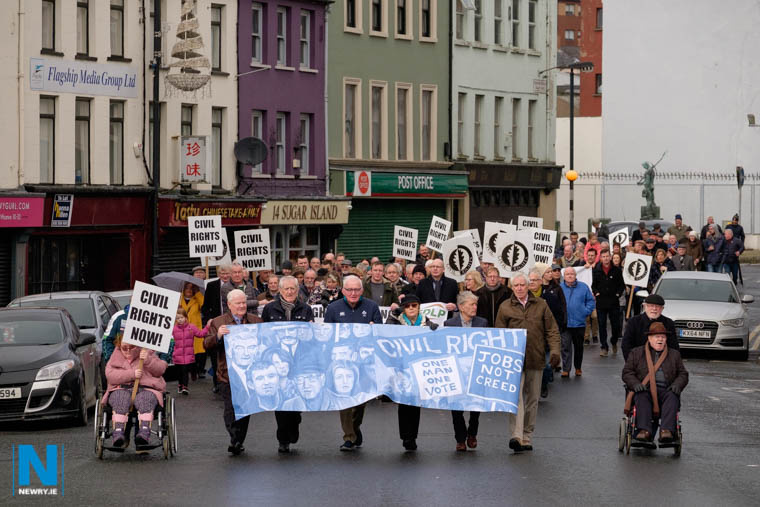
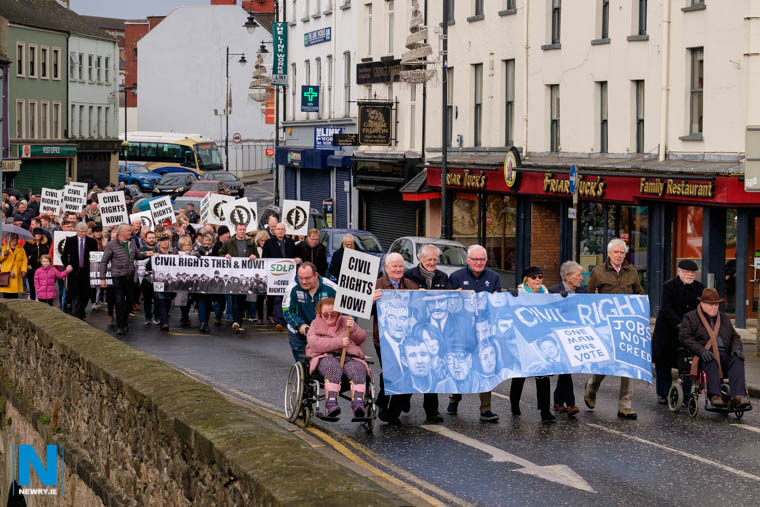
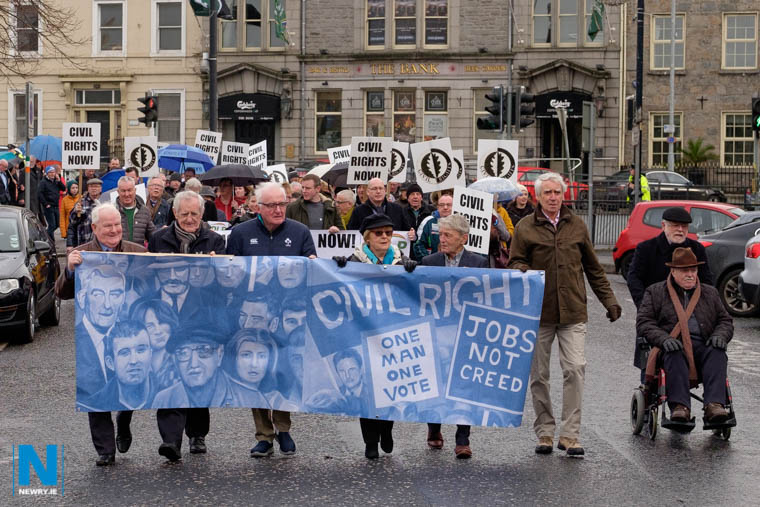
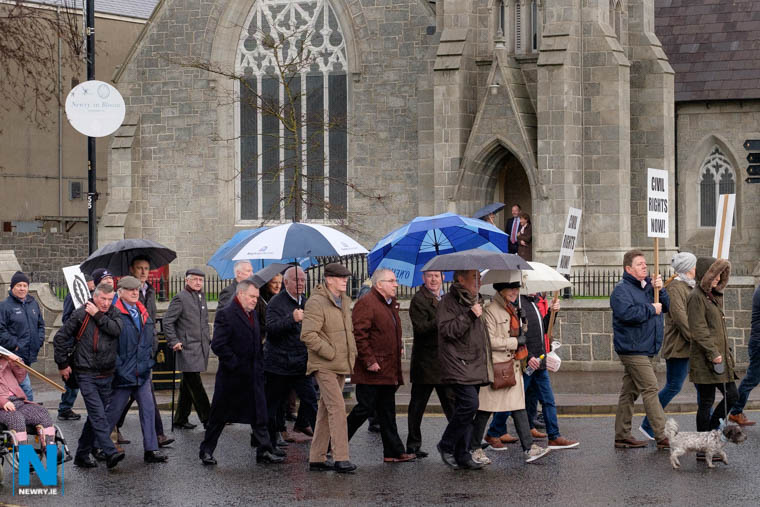
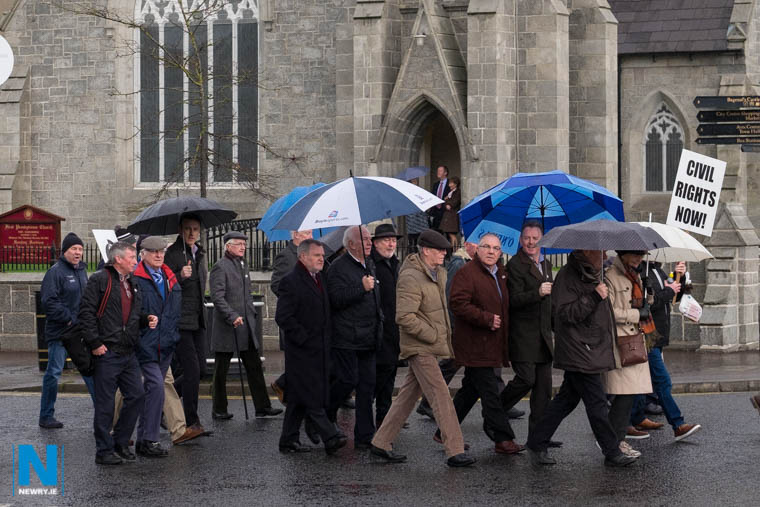
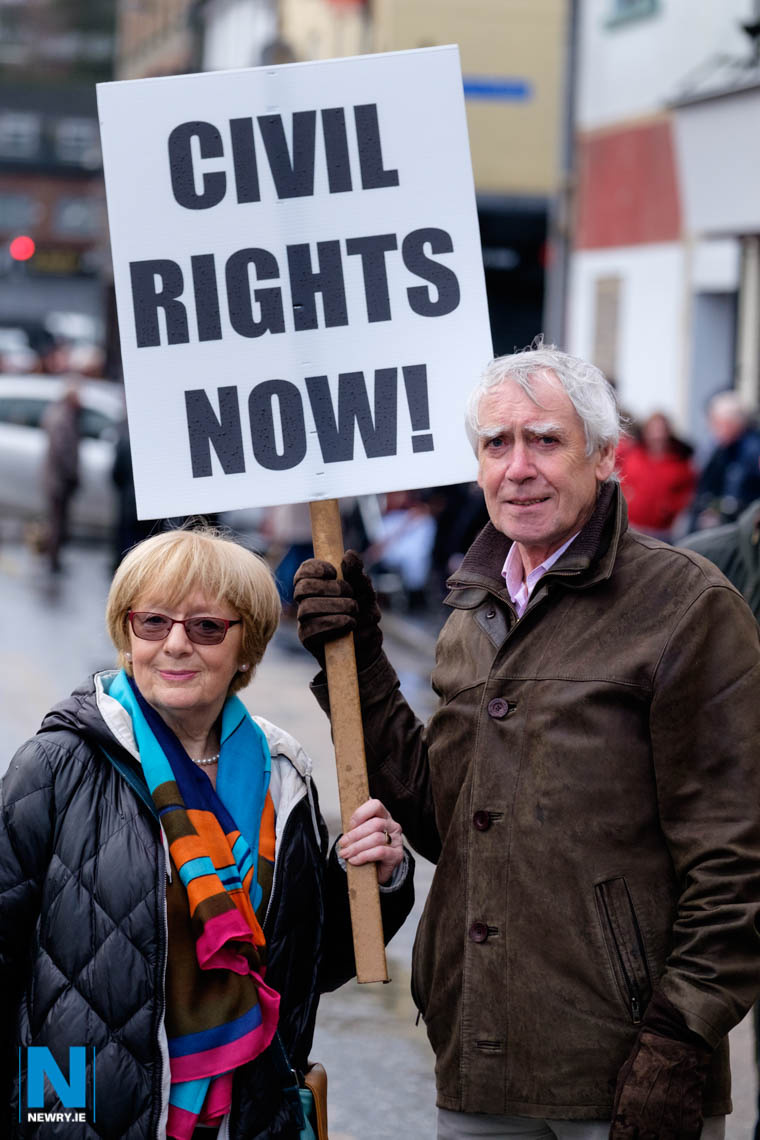
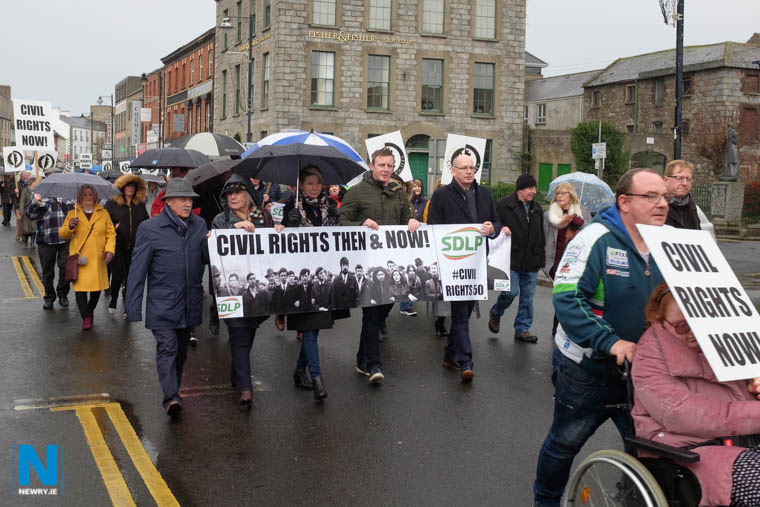
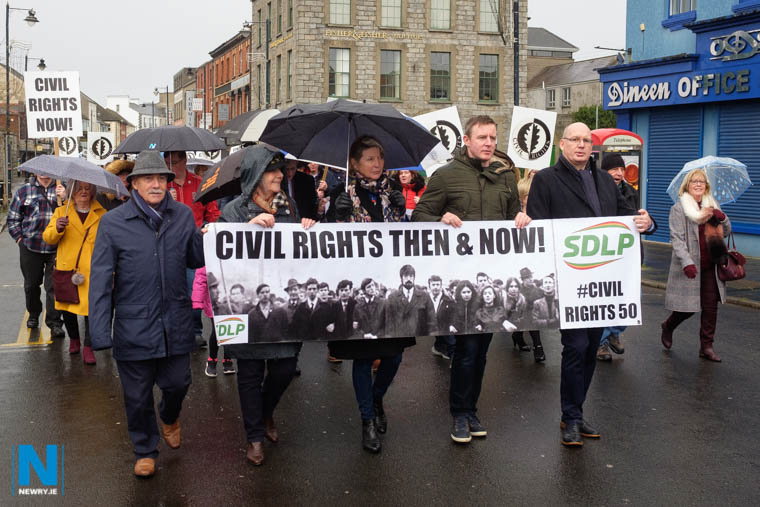
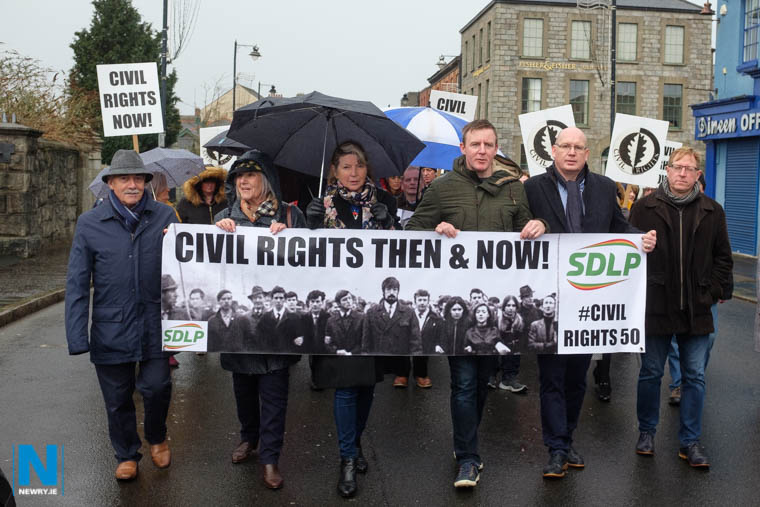
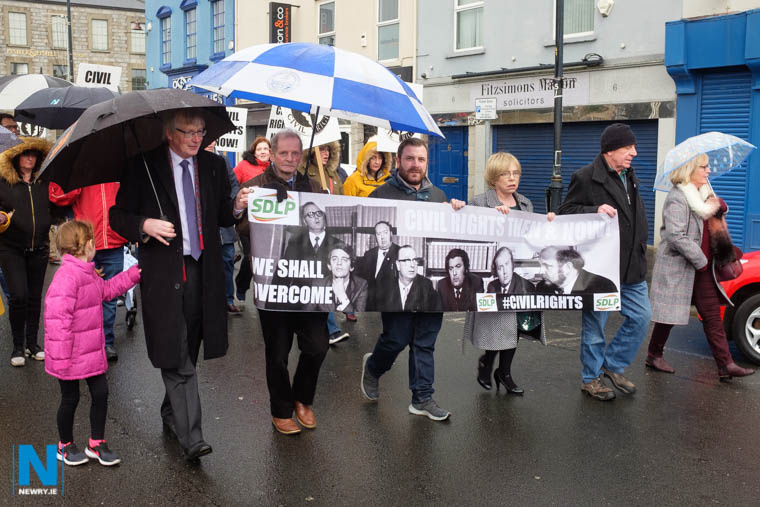
Sundays 50th Anniversary commemoration of the 1969 Newry Civil Rights March brought more than a touch of reminiscence and the bizarre to the several hundred who gathered for the march and walked the originally planned route, a route that on 11 January 1969 had been denied to those on the march with a barrier manned by the B Specials at the end of Monaghan Street preventing participants from walking through Sugar Island.

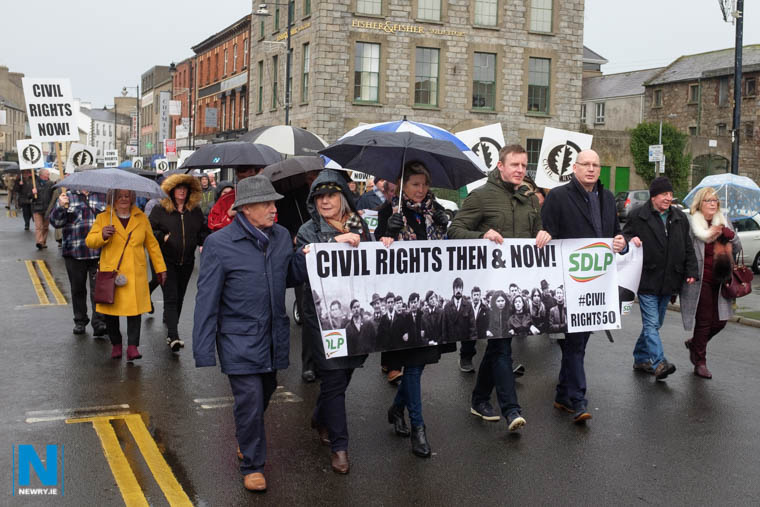
No such difficulties 50 years later though with the irony of a police officer walking with the parade all the way, accompanied by an entourage of PSNI officers on Bicycles, Motorcycles and cars. As well as those present in 1969, representatives from the SDLP, Sinn Fein and Independent councillors were all present with many community representatives also taking part.

Jim McDonnell, one of the organisers of the commemoration thanked those involved in making the event happen as well as thanking the PSNI and community officer Sgt Ryan Duffy for his input. Mr McDonnell added "As of 1969 we will put some ground rules in place .. fully respectful of everybody's own thoughts. We are all individuals in this."
The parade left from outside the Royal Mail sorting office on Edward Street in Newry at 12.05pm and followed a route along Monaghan Street, Merchant's Quay, Sugar Island, Kildare Street, Hill Street, John Mitchel Place, William Street, Bridge Street and Dominic Street finishing in Francis Street.

After the quite lengthy march in a reply to how long the march had taken Joe McNulty a participant in the original march replied "50 Years!" Memories of the original parade must surely have been strong in the minds of the marchers, especially those who had taken part in 1969. A rendition of "We shall overcome" was sung as they approached the junction with Merchant's Quay, the area barricaded in 1969. Sugar Island when the march did make it was it's usual quiet Sunday lunchtime self with few people about but those walking were no doubt reflecting back on the event of 50 years earlier and what might have been different if the parade had been allowed to pass through.
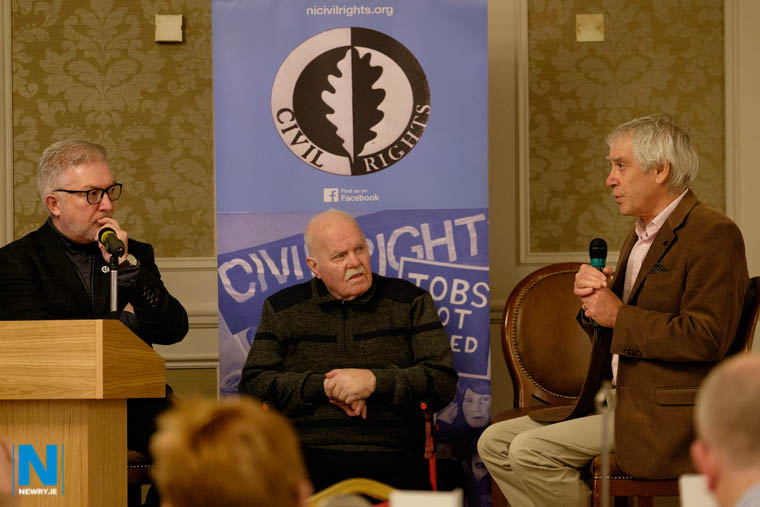
The march concluded in Francis Street and those involved retired to the Canal Court Hotel where Tom Kelly interviewed some of the prominent participants in 1969.
When asked about a Unionist Councillor on the parade Dan Moore, Chief Steward of the 1969 March said "That's correct and he wasn't on his own, there was quite a few. See people got things mixed up all in their minds. We were not fighting Unionism or anything, we were asking for a civil rights that everybody irrespective of class or creed would be treated equal."

Talking about his life he recalled the time he spent 12 months in 'The Crumlin' for having 'illegal documents.'
"I worked in Haldane Shields's and we had all sorts there. When I was in prison Bob Haldane came down to me in prison to confirm that my job was still there and that none of the staff were against me coming back. That was Catholic, Protestant and dissenter, the whole lot. They would have been glad for me to come back after coming out of prison.
"People were inclined to put more into Newry than was really there. Newry always was a happy town, now happy city where people lived together irrespective of their class or creed. There never was any troubles among the people that way but others to justify themselves helped to create sectarianism into republicanism and that was more an attack on the official republican movement, nothing more nothing less. The official republican movement incidentally was founded more by Protestants than Catholics so it never was a Catholic or a Protestant organisation."
Tom Keane, Chairman of People's Democracy speaking on community relations in Newry in the early 1960's "I wasn't aware of any sectarianism, I think what happened in the march that we are commemorating today, they were trying to say that the North Ward in Newry which was a Unionist Ward, it returned Unionist councillors, that it was the equivalent of Sandy Row or the Shankhill Road or East Belfast or the Waterside or whatever, but Newry was a non sectarian town
"Newry was never a sectarian town, that is why we choose on that particular day a march route to encompass all the wards in Newry including the Unionist North Ward.
That particular march on 11th January 1969 had universal support of the local Newry and district population irrespective of their political or religious affiliation"
On concerns at the time Tom added "I'm on record as saying that taking people out on the street, there was the possibility of fathering a monster and that particular march started off rather peacefully and gracefully. We seemed to glide down Monaghan Street and we were a happy go-lucky group singing We Shall Overcome, not a care in the world and then suddenly the personality of the crowd changed, it became a snarling monster, so I was always aware of that extra parliamentary protesters, street demonstrations could be very volatile and very dangerous.

Yes, but we felt, the reason for the march was very simple. That long march from Belfast to Derry which was organised by the parent body, the People's Democracy at Queens who founded us, they had been brutally treated in a carefully staged ambush at Burntollet on the previous Saturday, the 4th of January so we felt that we had to arrange a solidarity protest at that treatment. That was was the reason for it. There were other things like the snail pace or non existent pace of reform from Stormont regime, plus this is one of the things about the Newry People's Democracy which made it relatively different from many of the other civil rights movements in Northern Ireland. We were organised in a predominantly nationalist Catholic town but we saw abuses in our own system of local administration, houses were being allocated on favouritism, and jobs too at local government, so there was abuses taking place in Newry and we wanted to highlight those, but principally, the principal reason for the march that day was to show solidarity with our brethren so to speak at Queens University"