 Write a comment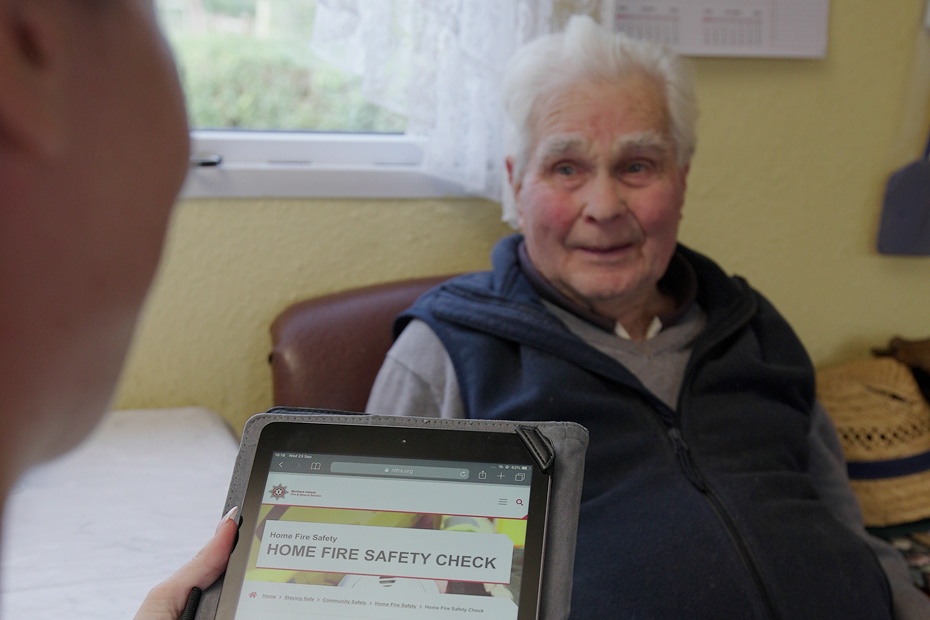
Northern Ireland Fire & Rescue Service has marked the start of Fire Safety Week 2026 with a campaign encouraging people to ‘Know the Room, Know the Risk, Know the Person’. It asks the public to recognise common fire risks in their home and to look out for those at greater risk, including people who live alone, have a disability or have impaired mobility. The week is being run in partnership with the National Directorate for Fire and Emergency Management in Ireland.
Figures released as part of the campaign show that 89 people lost their lives in house fires between 2015 and 2025, with 62 of them living alone. Smoking materials were associated with 38 of the fatalities, wiring, cabling and plugs with 15, and heaters and open fires with 9. So far in 2026, three people have lost their lives in house fires.
NIFRS Assistant Chief Fire & Rescue Officer Marcus Wright said the week is a reminder that fire safety is a shared responsibility.
“Fire Safety Week is an important reminder that fire safety is a responsibility we all share, not only in our own homes, but in looking out for those around us,” he said. “We’re asking everyone to take a look around their home and think about the risks that may be present in the rooms they spend the most time. Most accidental fires in the home start in the kitchen, while our figures show that the bedroom is where the greatest number of fatalities have occurred.”
Wright said people should also consider who may be at greater risk. “A significant proportion of those who have lost their lives in house fires lived alone. Whether that’s you, a family member, friend or neighbour, recognising that someone may need additional support could help keep them safe.”
He pointed to the free online Home Fire Safety Check as one of the easiest ways to understand fire risk. “This tool is available to everyone and if your home is identified as being at greater risk, you will be referred for an in-person Home Fire Safety Check where NIFRS personnel will visit your home to provide further practical fire safety advice.”
Wright added: “We’re urging everyone to take a few minutes this week to look around their home. Spot the fire risks in each room and think about whether you or someone you know may need extra support. Test your smoke alarms, fit additional alarms in rooms you use most frequently, such as bedrooms and living rooms, and make sure you have a suitable heat alarm in your kitchen.”
Director of the National Directorate for Fire and Emergency Management Keith Leonard said people should take a fresh look at the environments around them.
“We want people to take a fresh look at the environments around them and consider the fire risks that might otherwise go unnoticed. From using electrical devices to cooking, many everyday activities can present fire hazards if not managed safely. Knowing the person is just as important as knowing the risk, particularly when it comes to older people, those living alone, or anyone who may need additional support to stay safe from fire. Early detection through working smoke alarms, combined with knowing the safest escape route, is critical to reducing the impact of fire. By understanding the risks in each room and being prepared to respond, everyone can play a role in making our homes and communities safer.”
Home Fire Safety Advice can be found on www.nifrs.org. They are encouraging the community to follow their STOP Fire message
S- Smoke alarms
T- Test alarms weekly
O- Obvious dangers
P- Plan your escape