 Write a comment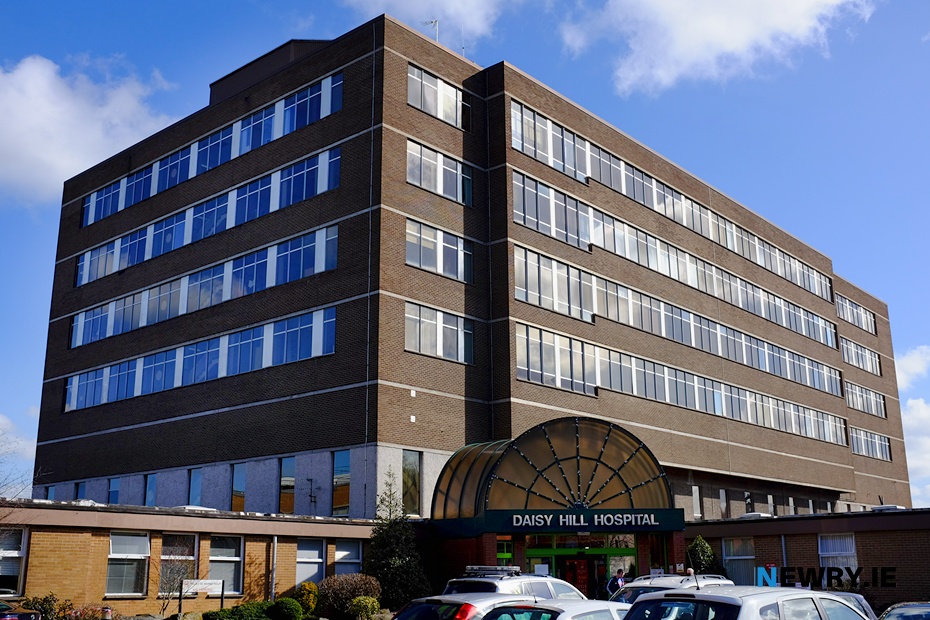
In an expression of solidarity member of the SOS Daisy Hill Committee has spoken at a public meeting by the SOS Causeway Coast committee endorsing their campaign to retain Emergency Surgery at Causeway Coast Hospital and has called on the Northern Health and Social Care Trust to reconsider its proposal to transfer the service to Antrim Area Hospital.
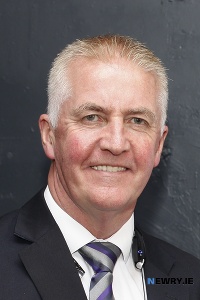
Eddy Curtis, representing the SOS Daisy Hill Committee, attended the meeting, organised to discuss the Trust’s proposals. The meeting attracted a large crowd of local residents, community representatives, elected representatives and organisations concerned about the future of emergency surgical services at Causeway Coast Hospital.
The situation the Causeway Coast Hospital finds itself in mirrors our own Daisy Hill Hospital and it's loss of Emergency General Surgery to Craigavon Hospital.
Former medical consultants from Causeway Coast Hospital, including Dr Owen Finnegan, also attended the meeting. Concerns were raised that there was insufficient evidence-based data presented to demonstrate that transferring Emergency Surgery from Causeway Coast Hospital to Antrim Area Hospital would provide a safer or better service for the local population.
Serious concerns over travel times
One of the strongest concerns raised at the meeting was the impact that increased travel times to Antrim Area Hospital could have on patients requiring urgent or emergency surgical treatment again similar to Kilkeel or South Armagh residents being expected to attend Craigavon Hospital.
Local residents questioned whether the potential additional travelling distance could compromise patient safety, particularly in emergencies where every minute can matter.
Concerns regarding the review and public consultation
Speaking at the meeting Curtis said that serious questions needed to be answered about the evidence base underpinning the proposed changes. “There was no convincing evidence-based data presented at the meeting to demonstrate that transferring Emergency Surgery from Causeway Coast Hospital to Antrim Area Hospital would provide a safer or better service for local patients.”
He also raised concerns regarding the process followed in reviewing Emergency Surgery.
“My understanding is that the Terms of Reference for the review recommended that a full 12-week public consultation should take place in relation to the Emergency Surgery proposals. If that consultation did not take place as required, then serious questions must be asked about the validity and completeness of the review process.”
Curtis added that meaningful public consultation must be more than a procedural exercise.
“Public consultation should not become a tick-box exercise. If local residents, patients, businesses and community organisations take the time to make their views known, those views must be properly considered and demonstrated in the decision-making process.”
Evidence on centralisation must be considered
Curtis also called for the Trust to properly consider the wider evidence surrounding the centralisation of medical services.
“There is significant research internationally examining the consequences of centralising healthcare services, including concerns about access, travel times, emergency response and, in some circumstances, patient outcomes and mortality. That evidence must be properly considered before a decision is made to remove another major medical service from a regional hospital.
“The question should not simply be whether a service can technically be delivered from a larger hospital. The question must be whether centralisation will provide the safest and most effective service for patients, particularly those living in rural and remote communities.”
SOS Daisy Hill Committee stands with Causeway Coast
Mr Curtis confirmed that the SOS Daisy Hill Committee fully supports the SOS Causeway Coast Committee and its campaign to retain Emergency Surgery locally.
“We understand exactly what the people of the Causeway Coast are fighting for because the people of Newry and the wider Daisy Hill catchment have faced similar concerns about the centralisation and removal of important hospital services.
“Communities should not have to continually fight to retain essential healthcare services. Before any further centralisation takes place, there must be compelling evidence that the proposed changes will improve patient safety and outcomes.”
The Chairperson of SOS Causeway Coast Committee, Gemma Brolly, thanked the large number of people who attended the public meeting and reinforced the Committee’s concerns regarding the lack of clear evidence supporting the proposed changes.
SOS Daisy Hill Committee congratulates SOS Causeway Coast Committee on the public meeting and will continue to support its campaign.
Call for transparency and proper consultation
In conclusion Curtis Said: “The people of the Causeway Coast deserve a healthcare service that is designed around the needs and safety of patients, not simply around organisational convenience or centralisation.”
“SOS Daisy Hill Committee stands shoulder-to-shoulder with the people of the Causeway Coast in demanding that the evidence is produced, the consultation process is properly examined and that no decision is taken to remove Emergency Surgery until the community can be satisfied that patient safety will not be compromised.”
SOS Daisy Hill Committee is calling on the Northern Health and Social Care Trust to:
1. Publish the full evidence base underpinning the proposal to transfer Emergency Surgery from Causeway Coast Hospital to Antrim Area Hospital.
2. Publish the full Terms of Reference for the review and demonstrate clearly whether all requirements contained within those Terms of Reference were followed.
3. Clarify whether the proposed 12-week public consultation was undertaken and, if not, explain why it was not undertaken.
4. Publish the results and analysis of all public engagement and consultation undertaken in relation to the proposal.
5. Provide a detailed assessment of the impact of increased travel times on emergency patients.
6. Properly consider independent research concerning the benefits and potential risks of centralising emergency and specialist medical services.
7. Demonstrate how patient safety, clinical outcomes and mortality risks have been assessed.
8. Ensure that local residents, elected representatives, medical professionals and community organisations have a meaningful opportunity to influence the final decision.