 Write a comment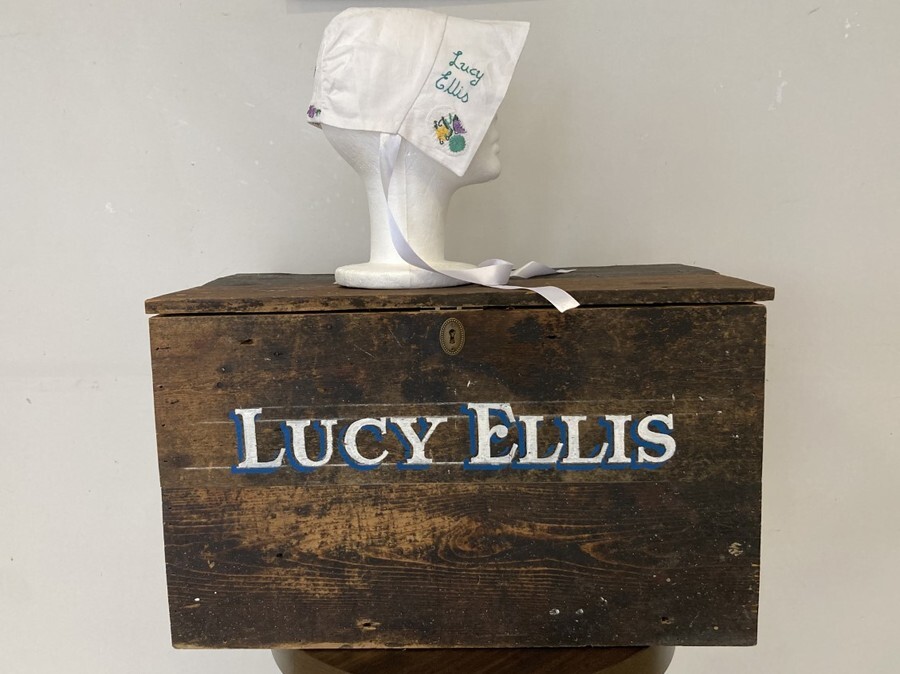
An exhibition is being held at Newry Library this month, shining a spotlight on the emmigration of female orphans from the Workhouse in Newry to Australia in the mid 1800's.

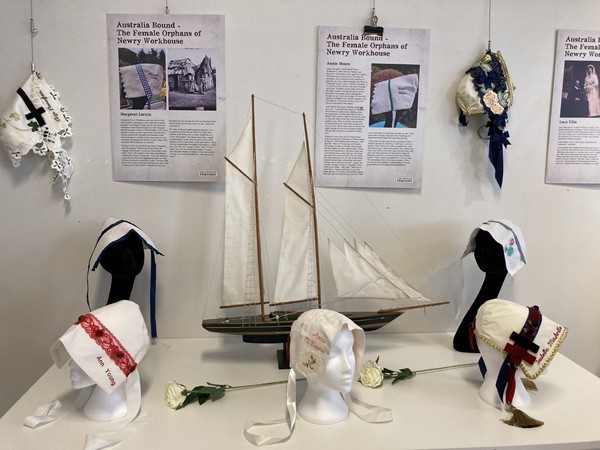
The exhibition 'Australia Bound - The Female orphans of Newry Workhouse' is taking place in Newry City Library. Compiled by Newry man Hugh McShane the exhibition explores how The Earl Grey Scheme led to the emigration of over 4,000 girls from workhouses throughout Ireland.
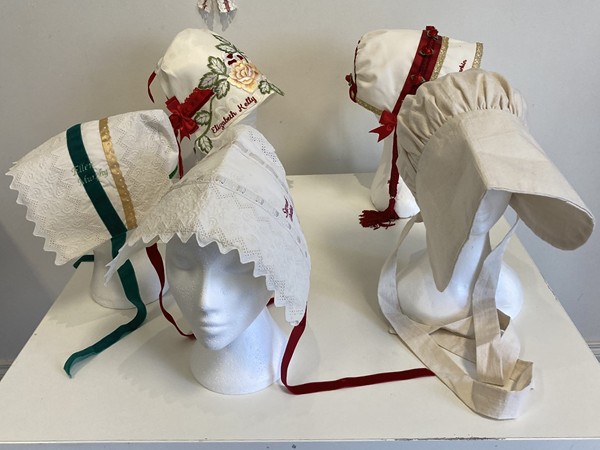
On show at the exhibition is a display of bonnets and a replica travel box honouring the lives of the thirty five girls who left Newry Workhouse.
The Great Famine had a devastating impact on the lives of Irish people. It is generally accepted that around one million people died and at least another million emigrated during the period 1845 to 1852. However, until recently, one aspect of the Famine story has remained under the radar of historical research – the emigration of female Famine orphans from Irish workhouses to Australia.
By December 1847, overcrowding in Irish workhouses had reached crisis point. The annual report of the Irish Poor Law Commission (PLC) revealed that there were 120,000 persons in the workhouses, 55,000 of them children under fifteen years of age. To those in government, some of these children were regarded as ideal candidates for emigration to Australia. A scheme was devised by Henry George Grey (3rd Earl Grey), Secretary of State for the Colonies 1846-52, which would relieve the situation in the workhouses and, at the same time, meet the demand for domestic labourers and single young women in Australia.
Built to accommodate 1,000 inmates, in January 1846 Newry Workhouse contained only 469 paupers, yet by December it had risen to 1,063. The female orphans who left Newry Workhouse between 1848 and 1850 were understandably tempted by the offer of a new life in Australia, particularly when compared to the conditions that prevailed in the workhouse at the time. By the time of the Earl Grey Scheme, famine had increased the number in the workhouse to over 1,500. Thirty five orphan girls left Newry Workhouse for Australia between 1848 and 1850, travelling via Dublin and Plymouth and arriving at Adelaide, Melbourne and Sydney. The majority found employment as domestic servants or on farms.
At a remove of nearly two centuries, it is easy to speculate from the perspective of a comfortable lifestyle about how these young girls may have felt about the journey they were about to undertake. It is clear, however, that the idealized version of life in Australia, painted so vividly and persuasively by the contemporary press, and even by some of the orphans’ letters to relatives back home, was as far from reality as the distance between the mother country and the land where they sought redemption. Whilst a few, like Margaret Plunkett, Lucy Ellis, Isabella McArdle and Margaret Larkin, appear to have adapted and prospered, the majority have slipped into relative obscurity, their fate unknown. Nonetheless, these young women, including those from Newry, did make an important contribution to the growth of a new nation through their sense of adventure, their relentless optimism and ultimately, through their children, grandchildren and great grandchildren, who now lead modern Australia.
The Exhibition continues at Newry Library until Friday 21 April.