
 Write a comment
Director and Filmmaker, John Reavey is a growing name within households across Ireland and the UK, and the first in our series by Journalist Anna Fegan of growing sensations from this small part of the world to keep an eye out for.


Reavey’s style isn’t loud and explosive, rather his stories are rooted in authenticity and emotional truth. The director prioritises telling stories on the underrepresented and overlooked, and the storytelling element is priority long before the lights, cameras and production schedules get going.

Long before he made his mark in the industry, Reavey was a boy from Whitecross, absorbing the complexities of south Armagh, identity and resilience, aspects that continue to linger in his productions.
John has often reflected on the quiet depth he sees in Irish people. In his view, many carry extraordinary stories shaped by lived experience, yet rarely feel the need to broadcast them. There’s a humility and a tendency to keep one’s head down and for people to keep those experiences to themselves. By contrast, in the larger cities he’s worked in, these type of stories can seem rarer. For him, it’s that understated richness, the sense that remarkable histories exist behind ordinary façades that sets Irish communities apart.
“We are very ordinary people, who have extraordinary stories.”
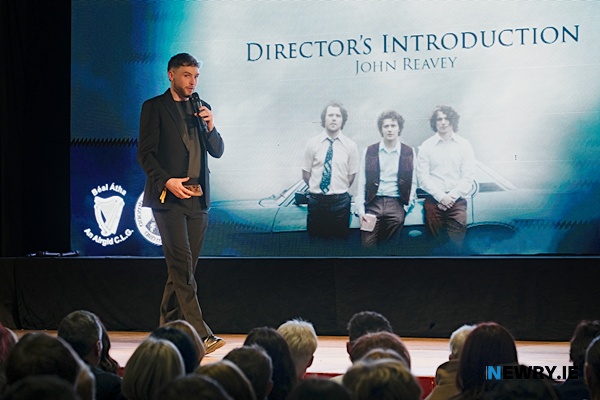
2026. Photograph: Columba O'Hare/ Newry.ie
On the Reavey Brothers short film that he directed and wrote in 2022 Reavey explains: “I’m inspired by people from our community who speak up and stand up for what’s right, and that is always something I’ll intertwine into my work.”
The film was very personal as it was about his three uncles that were shot dead in January 1976 in their family home in Whitecross. “I originally planned on this film being premiered in my living room to my aunties and uncles, but when we sold the tickets out for premier in the Canal Court in less than five minutes, I thought the website had broken.”
For John Reavey, that was the defining pinch-me moment. What began as something deeply personal, a tribute for family suddenly revealed itself as something far bigger. The stories he was telling about The Troubles were no longer confined to his family’s grief or his own community. They struck a chord with audiences across the North who, like his family, had carried their own histories quietly for decades.
The film that explores the murder of his uncles went on to sell out twenty screenings across Ireland and the UK. What he had once imagined as an intimate act of remembrance became a shared space for reflection.
“The ultimate theme throughout my work is to be the voice for the underdogs, the underrepresented, and the people who won’t get the light shone on them.”
For John Reavey, that isn’t a passing sentiment; it’s a through-line. His recent projects continue to centre those pushed to the margins of mainstream narratives, particularly within sport.
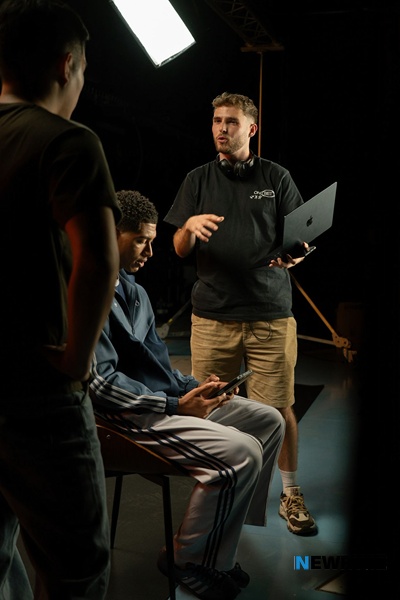
Reavey is continuing projects on being a underrepresented in sport, working with LGBTQ+ footballers, telling the stories beyond the typical. His recent work “Play On - A Homophobia in Football Short Film” confronts the lack of representation within the game, to navigate a culture where being openly queer still carry social consequence. Like a lot of Reavey’s work, the film doesn’t rely on grandstanding, but instead it highlights the quiet calculations many players make everyday; what to say, what to hide, and how much of themselves is safe to reveal.
While there are now spaces in football that encourage LGBTQ+ community members to relight their love and passion for the game, in a space where comfort is prioritised and insults don’t exist, outside of this corner of sport, experiences differ.
These are the realities that the director wants to challenge and change. Reavey’s work isn’t just documenting inequality and injustices, he’s attempting to shift perception. His work is about restoration - restoring dignity and humanity to people who have often been reduced to statistics or sidelined in the telling of history.