 Write a comment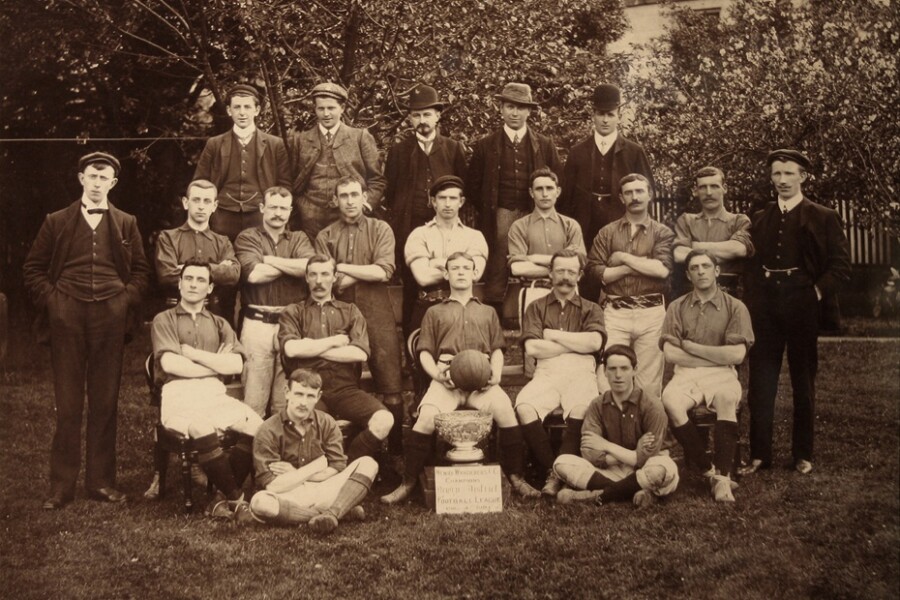
This is the first of two articles from Newry Museum looking at the history of the area of Newry known as Rooney’s Meadow, or the Meadow. In the 1800s the area was called Knockmorris or Pig Hall and was a largely open area of land outside the town. By the latter part of the century both the Newry & Armagh Railway and the Bessbrook & Newry Electric Tramway line ran alongside the site, which was the property of John Gordon. It was sold by public auction in July 1866 and was purchased by Robert Dempster for £570. The area then became known as Mr Dempster’s Field.
Born near Forfar in Scotland in 1816, Robert Dempster came to Ireland in the 1840s to work in the linen industry. In 1854 in partnership with George Lucas, he set up a tow spinning factory in Newry. After Lucas’ death he purchased his interest in the business and in 1864 built Corn Market Mill, now Ballybot House. This was followed by a factory for the manufacture of jute yarns, that stretched from Cornmarket to Monaghan Street, now the site of Newry Health Village, which employed over 500 people alone, making Dempster one of the biggest employers in Newry at the time. At various times throughout his career, he was director of Newry and Kilkeel Steamship Company, a Town Commissioner, member of Newry Board of Guardians and a Justice of the Peace.
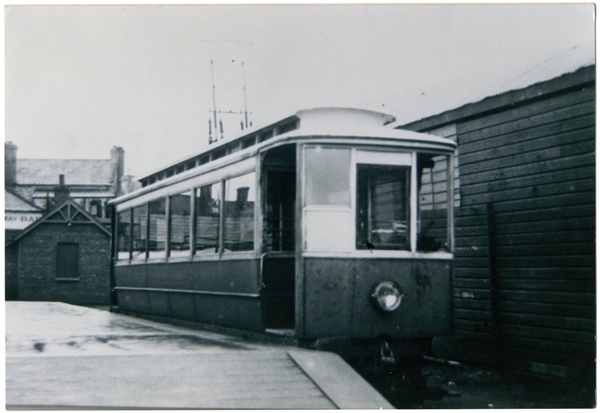
Mr Dempster’s field was used by the military stationed in Linenhall Barracks as a drill ground. Through the 1880s and 1890s it became the site for many of the town’s emerging sports activities and clubs. Many of the matches that took place were between local teams and the military, such as a football match between a Newry School 2nd XI and the Drummers of the East Lancashire Regiment and a cricket match between Newry Cricket Club and the Sergeant’s Royal Dublin Fusiliers.
As well as cricket and football, Newry Rugby Football Club and local schools also used the field. Newry Golf Club held a competition there in October 1892. Large crowds of over a thousand spectators would congregate to watch the matches.
Visiting circuses also set up on the field. In 1892 ‘Lord’ George Sangster’s Circus and Menagerie was the talk of the town and country. In 1895 Ginnett’s International Circus and Hippodrome visited Dempster’s field, under the patronage of the Town Commissioners and Colonel Brown and the Officers of the Duke of Cornwall’s Light Infantry. The two-and-a-half-hour programme featured 80 horses and ponies and 80 artistes and auxiliaries.
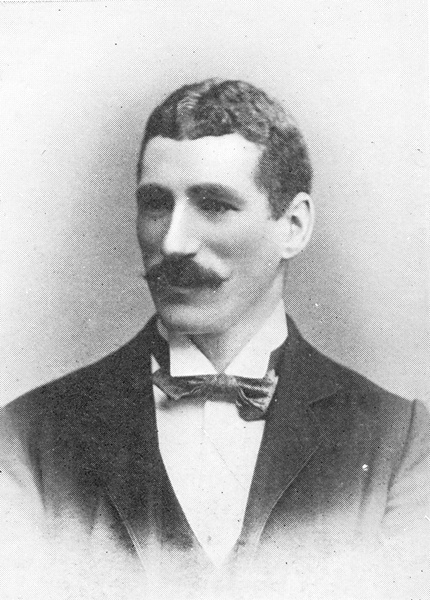
In the late 1880s, Robert Dempster built a row of terraced houses, originally known as Knockmorris Terrace. The name changed to Helen’s Place, before finally becoming Helen’s Terrace; Helen being the name of his wife and eldest daughter.
Robert Dempster died in 1890 and the land was eventually purchased by James Rooney in 1901. Along with his brother Patrick, the Rooney’s had established a cattle and sheep exporting business, becoming one of the largest exporting firms in Ireland. In due course, the land would become known as Rooney’s Meadow. In the next article we will look at how it developed during the 1900s.
The Museum is currently offering free tours of the main exhibition galleries on Wednesdays at 2.00 pm. These must be booked in advance by calling our Education Officer at 0330 137 4422.
Newry and Mourne Museum is open Tuesday – Saturday 10.00 am – 4.30 pm. Please call 0330 137 4422 or email museums@nmandd.org for further information.
You can visit their website at www.visitmournemountains.co.uk