 Write a comment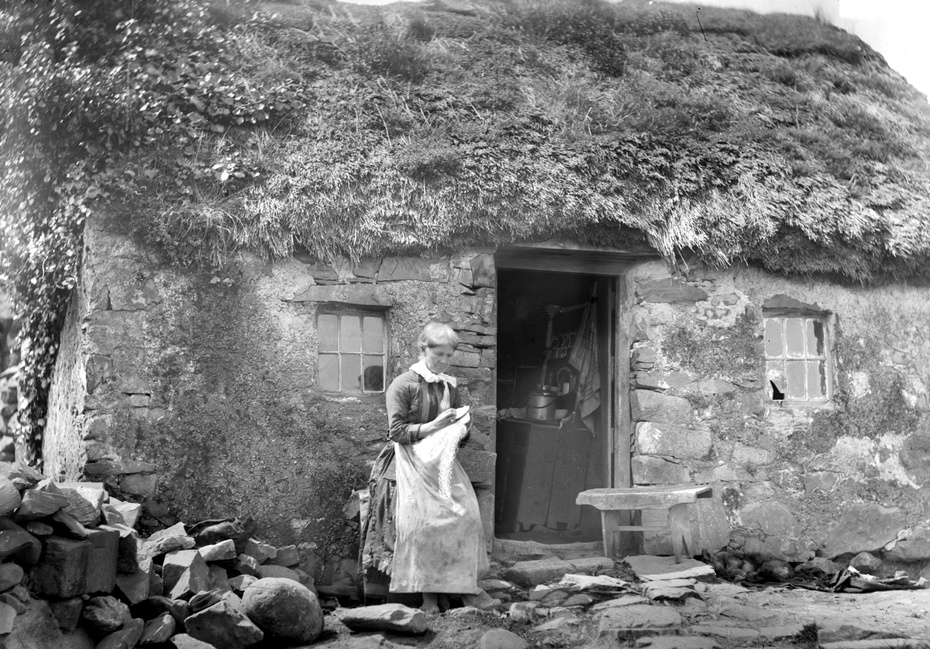
A new display at Newry and Mourne Museum is shining a light on the skilled women whose labour helped shape the region’s world-famous linen industry. Flowering in the Mournes explores the tradition of whitework embroidery in South Down and South Armagh, revealing a story of artistry, endurance, and often overlooked economic contribution.


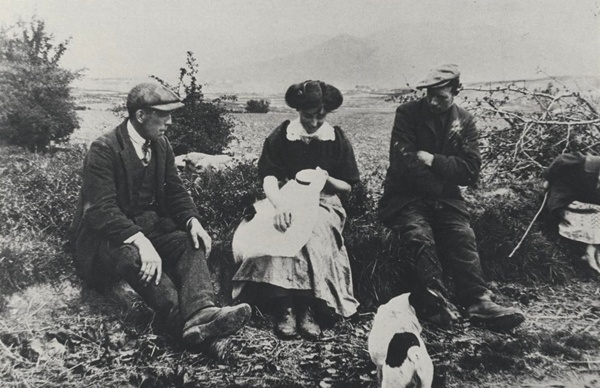
While the industrial might of Ulster’s linen mills is well known, these objects bring into focus a quieter but equally significant form of labour: the intricate embroidery carried out in rural homes. Known locally as “flowering,” this delicate white-on-white needlework became a hallmark of the Mourne region during the 19th and early 20th centuries.
Embroidery sits within a wider story that includes both factory work and domestic industry. Women formed the backbone of the linen trade across County Down and South Armagh. In the mills of Banbridge and Bessbrook, they worked long hours in physically demanding conditions, spinning, winding, and weaving fibres destined for global markets. Yet for many women, particularly in rural communities, employment took place at home. Here, embroidery offered a vital source of income that could be combined with farming, childcare, and household responsibilities. The display invites visitors to imagine the daily routine of a “flowerer” in places such as Hilltown, Mayobridge, or Kilkeel. Starting at dawn, a typical day might involve tending animals and preparing meals before settling at an embroidery frame for hours of concentrated labour. They often filled a bottle with water and set it next to the candle flame to maximise the light but often their eyesight was ruined by the time they were forty years old. Working from patterns stamped onto fine linen, women stitched floral motifs, initials, and decorative borders with extraordinary precision. Finished items such as handkerchiefs, napery, christening robes, and garments were then returned to agents, often after long walks to nearby towns.
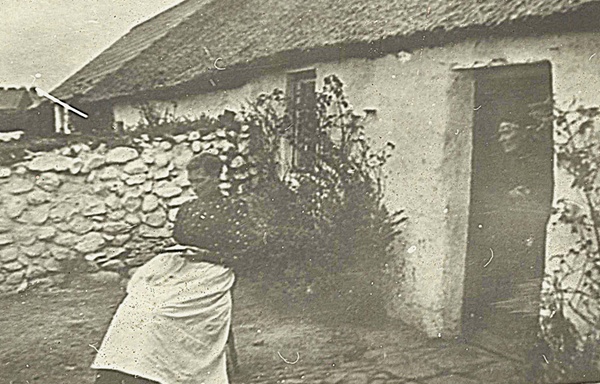
of Newry & Mourne Museum.
Despite the beauty and commercial success of these goods, the women who produced them were paid only modestly. Many earned just a few shillings per week, with some receiving only pennies a day. The system of distribution, controlled by middlemen, could leave workers reliant on credit and vulnerable to exploitation. Nonetheless, flowerers were highly prized as wives and young men would look out for a flowerer’s characteristic yellowed finger and thumb – hardened over a flame when no thimble was available – because this was the mark of a woman with a marketable skill.
Whitework embroidery was part of an international fashion trend, appearing on garments worn by the wealthy across Britain and beyond. The same techniques used in modest cottages in the Mournes adorned elegant dresses, collars, and household linens in London, New York, and throughout the British Empire. This contrast between global demand and local hardship highlights how the labour of rural women contributed to international markets, even as their own lives were marked by economic uncertainty and long working hours. Skills were passed down through families and communities, with girls learning from as young as six or seven years old. Mothers, daughters, and neighbours formed close networks of knowledge and support, ensuring the survival of techniques that required patience, discipline, and exceptional dexterity.
The new display recognises the hidden labour behind some of the most beautiful objects produced in this region and is an opportunity to reflect on the social history of work, particularly the experiences of women whose contributions were often undervalued or overlooked. Flowering in the Mournes not only celebrates a distinctive regional craft but also honours the resilience and skill of the women behind it. Their work supported families, shaped communities, and left a lasting imprint on the cultural heritage of Newry & Mourne.
The Museum is currently offering free tours of the main exhibition galleries on Wednesdays at 2.00 pm. These must be booked in advance by calling our Education Officer at 0330 137 4422.
Newry and Mourne Museum is open Tuesday – Saturday 10.00 am – 4.30 pm. Please call 0330 137 4422 or email museums@nmandd.org for further information.
Visit their website at www.visitmournegullionstrangford.com