
 Write a comment
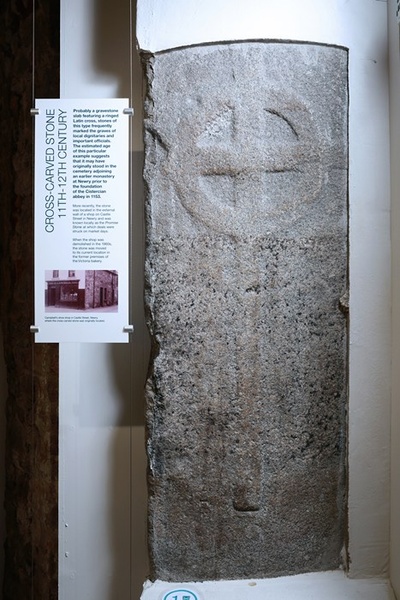
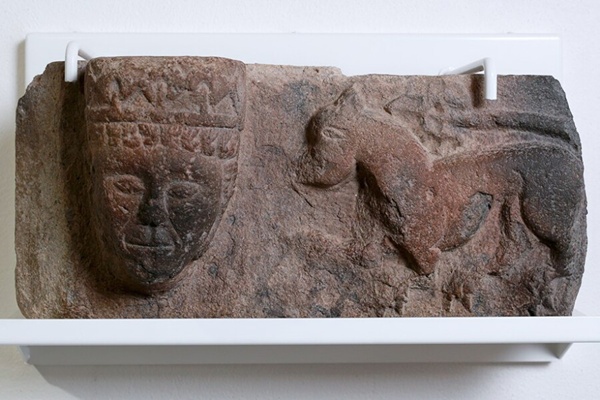
Newry and Mourne Museum. It may have come from an
earlier Benedictine monastery on the same site as the
Cistercian abbey. Newry and Mourne Museum Collection
Long before Nicholas Bagenal began shaping Newry’s future, an abbey stood at the heart of its story. Fire, royal favour and the upheaval of the Reformation would all leave their mark on the monastery and help open the way for Bagenal’s ambitions.
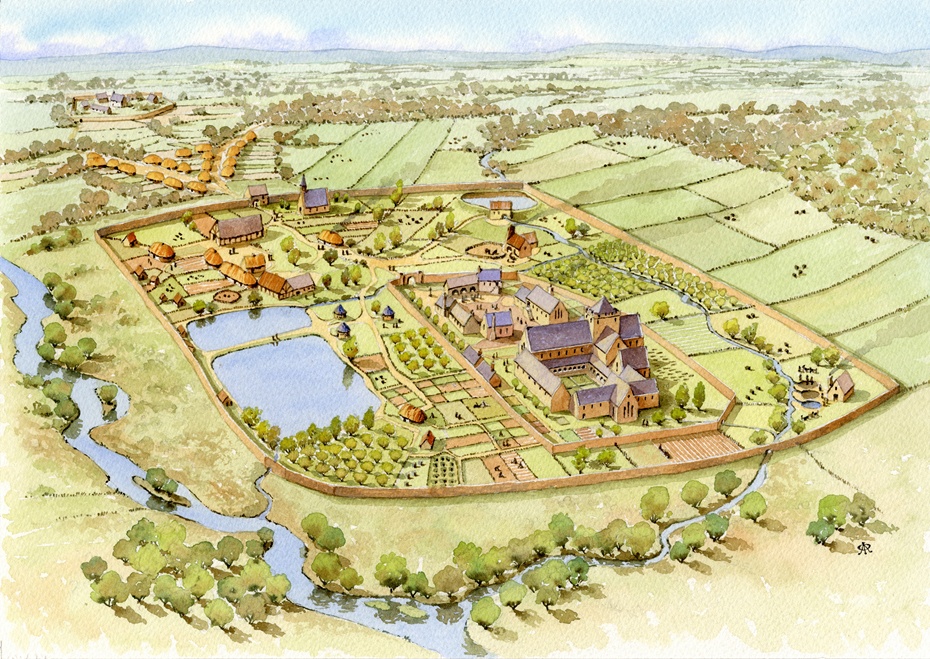
Newry’s Cistercian abbey was formally endowed in 1153, when King Muirchertach Mac Lochlainn granted it lands, woods and waters. Local tradition suggests that monastic life there began even earlier. Newry’s Irish name, Iubhair Cinn Tragh, recalls a yew tree said to have been planted by St. Patrick. According to the Annals of the Four Masters, both the monastery and the tree were destroyed by fire in 1162. The abbey was rebuilt, only to suffer another partial burning in January 1454.
The English Reformation brought a different threat. Monasteries were being closed, with their property sold or granted to the gentry. Newry’s abbey was intended for George Cary, but Sir Arthur Magennis secured a reprieve in 1542 by petitioning to turn it into a college for Catholic clergy who were not members of a religious order. The arrangement lasted only a few years. On 21 May 1549, the warden, John Prowte, and three vicars-choral, Arthur and Donald McGillebury and Eneas O’Sheyll, surrendered the College of the Blessed Virgin Mary and Saint Patrick of “the Nivorie” to the Crown. Its site, possessions, deeds and writings went with it. Prowte received an annual pension of £15, while each vicar-choral received £2, approximately £11,345 and £1,512 respectively in modern money.
doorway. It may have been used when the abbey was rebuilt after a fire that
damaged at least part of the building before 1454.
Into this changing world came Nicholas Bagenal. He arrived in Ireland in 1539 as a fugitive from English justice and served as a mercenary with Conn Bacach O’Neill. His military connections helped secure a pardon in 1543, and by 1547 he was Marshal of the English Army in Ireland. When Newry’s abbey-turned-college was dissolved, he was well placed to acquire its lands. With advice from the Lord Deputy, Sir Edward Bellingham, and on his orders, Bagenal obtained labourers and soldiers in June 1549 to work on Newry’s defences. Bellingham had already founded Fort Protector in County Laois and Fort Governor in County Offaly. In 1552, plans were proposed to expand them into market towns. Between 1559 and 1566, the towns were enclosed by earthwork defences - much as Newry would be later.
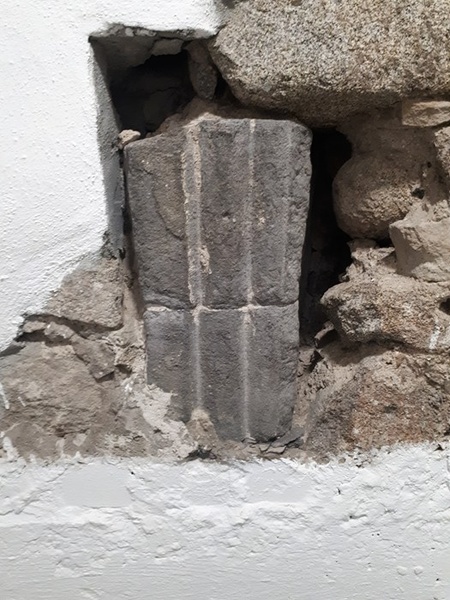
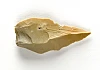
moulding’. It came from Newry’s Cistercian abbey and was later
re-used in the walls of Bagenal’s Castle. Newry and Mourne
Museum Collection
Bagenal’s letters give a vivid glimpse of the Newry he found. Writing to Bellingham, he described the challenge of finding somewhere to live: “When I first arrived in Newry there was neither a house that was dry enough for my accommodation, nor one that had a door with lock and keys or windows, but I am expending more than £20 to put that right.” He also wanted a clearer picture of the land available: “I ask that you send commissioners to survey Newry, and also to enquire into the extent of the King’s manors and lands so that these may be leased out.”
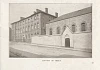
Two official inquiries in August 1550 reveal what remained of the abbey. Within its one-acre site stood a church with a steeple, a chapter house, a dormitory, a hall and a belfry, along with an orchard and a garden. Its wider lands included 72 houses and cottages, two salmon weirs on the Clanrye and a water mill.
That November, Bagenal secured a 21-year lease. Its wording made the Crown’s intentions clear: Newry was described as remote and far from civil order, a place where a captain and armed men could bring the surrounding area to obedience. The lease’s description of that area as “rude and savage” reflects the language used to justify the scheme. Bagenal may have lived in the abbot’s house or other abbey buildings at this time. By 1551, he and his brother Ralph were recorded as members of the Irish Privy Council. In April 1552, Edward VI granted Nicholas the College of Newry outright, along with its 37 surrounding townlands and the manors of Carlingford, Mourne and Greencastle.
But a change of monarch brought Bagenal’s plans to a halt. When Mary became Queen in 1553, he lost his post as Marshal and his loyalty to the Catholic monarch came under suspicion. Back in England, he pledged to spend no more than ten days at a time in Ireland without prior warning and to attend the Privy Council on ten days’ notice. His election as MP for Stoke-upon-Trent in 1558 shows how closely his life remained tied to England. With his lands left unattended during his long absence, Newry’s development stalled. Bagenal’s ambitions for the town were not over, however. A future article will follow his return and the next chapter in Newry’s story.
The Museum is currently offering free tours of the main exhibition galleries on Wednesdays at 2.00 pm. These must be booked in advance by calling the Education Officer at 0330 137 4422.
Newry and Mourne Museum is open Tuesday – Saturday 10.00 am – 4.30 pm. Please call 0330 137 4422 or email museums@nmandd.org for further information.
Please visit the website at www.visitmournegullionstrangford.com