Write a comment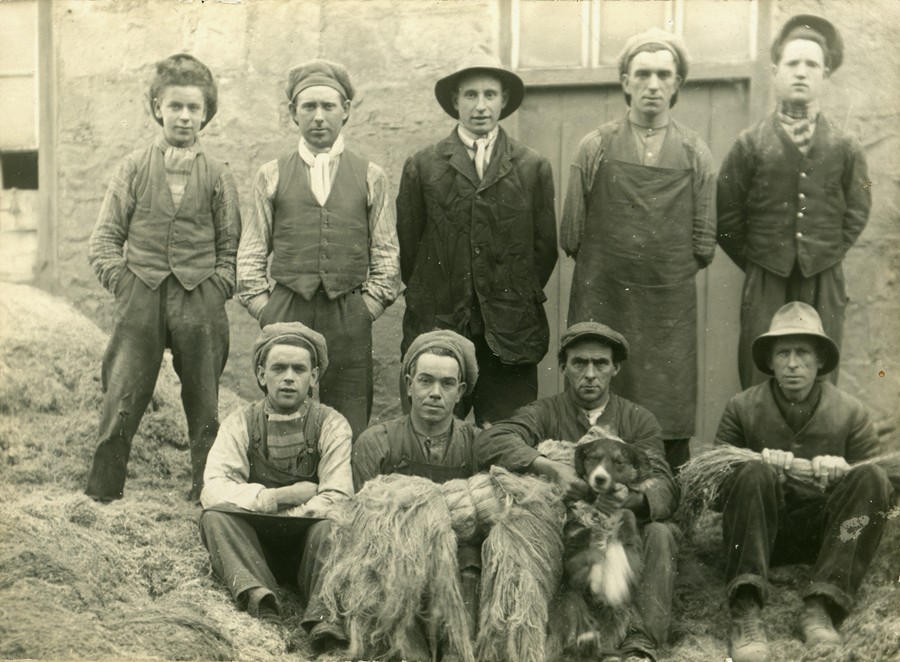
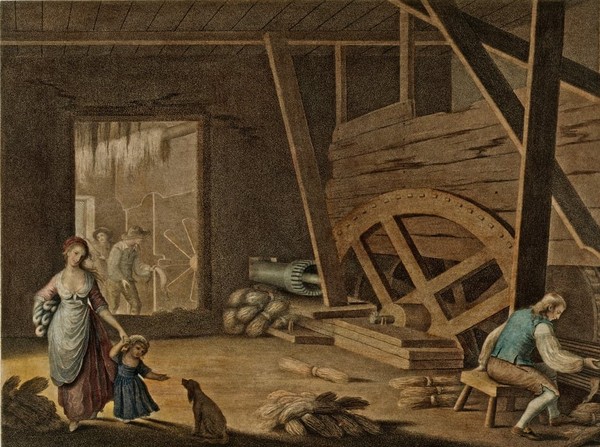
Scutching is the method of removing the impurities in the process of preparing cotton or flax during the manufacture of linen. The scutching of flax by mill was introduced from Scotland around the middle of the 18th century. Originally the earliest scutch mills were simple adaptions of a corn mill where four wooden arms or scutching blades were substituted for millstones. The blades were boxed-shaped like millstones and the flax was thrust in through openings to be scutched. These mills are usually described as horizontal mills to distinguish them from later ones in which the blades were mounted vertically.

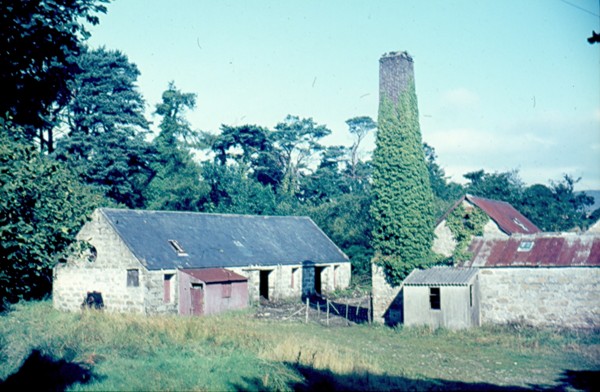
The first scutch mill in county Down is supposed to have been built by Hamilton Maxwell at Drumbeg in 1757. By the 1830s scutch mills were as common as corn mills with around 500 scutch mills recorded in the six north-eastern counties of Ireland; 130 were listed in the Ards Peninsula alone. By 1852 that figure rose to 700 and, by 1868, the number listed was over 900. Scutch mills were also flourishing in the Newry and Mourne area. In 1825, The Earl of Kilmorey leased property to John McConnell for corn and scutch mills at Kilkeel and, in 1852, the Lord Kilmorey built a scutch mill in the townland of Tullyframe at a cost of £458. This was let to Jophn Moore for 40 years in 1852.
Another prominent local scutch mill owner was James McGeorge. Originally from Scotland and having settled in Newry by the age of 24, McGeorge progressed from a successful business owner to a Police Commissioner for Newry and later, a Town Commissioner, a position which he held until his death in 1870. His scutch mill was located at his farm at Carnmeen, near Newry.
It was common for corn-milling and flax-scutching to be carried out as one business since the single water wheel placed between the two buildings could drive both the millstones and the scutching blades. Of the 166 corn mills listed in the Valuation Books for county Down, 51 of the mills were a combination of corn and flax mills.
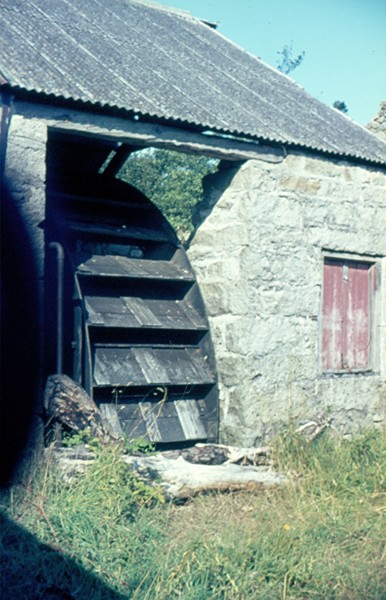
In 1866, at least 85 scutch mills out of the total 269 in the county were worked by steam and another 11 by a combination of steam and water power. The number of steam driven mills is explained by the fact that the waste (also known as ‘shaughs’) could have be used as fuel. The technique involved in scutching had very little in the way of adaption after the introduction of the steam-mills aside from improving the breakers in the mills by replacing the wooden rollers in the mills with fluted iron rollers. This equipment was pioneered by MacAdams Brothers of Belfast.
The last water-powered scutch mill ceased operation in 1958 when the cultivation of flax was no longer considered a profitable business option after the boom it experienced as a result of the two world wars.
The Museum is currently offering free tours of the exhibition galleries on Wednesdays and Thursdays at 2.00 pm. These must be booked in advance by calling our Education Officer at 0330 137 4422.
Newry and Mourne Museum is open Tuesday – Saturday 10.00 am – 4.30 pm. Please call 0330 137 4422 or email museum@nmandd.org for further information.
Please visit our website at www.visitmournemountains.co.uk