 Write a comment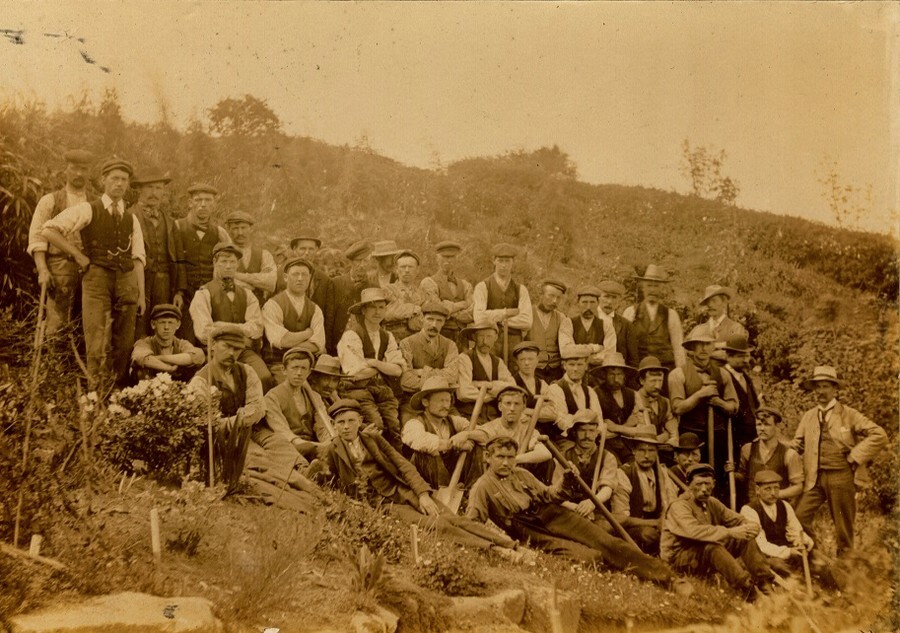
We continue our series of articles on the contents of some of the display cases in the Museum by looking at artefacts on display relating to local businesses in the 19th century.
The display cases in Gallery 2 in Newry and Mourne Museum focus on Newry’s trade and industry and the development of the town during the 18th and 19th centuries. One case in particular highlights several businesses and industries that flourished during the 19th century.

In this case we have a calendar and ointment jar from Connor’s Chemist shop. Connor’s chemist shop was founded in 1826 by Dr. Patrick Connor. Originally located at the corner of Hill Street and Mill Street in Newry, the shop later moved to larger premises at 77 – 79 Hill Street which are illustrated on the calendar.
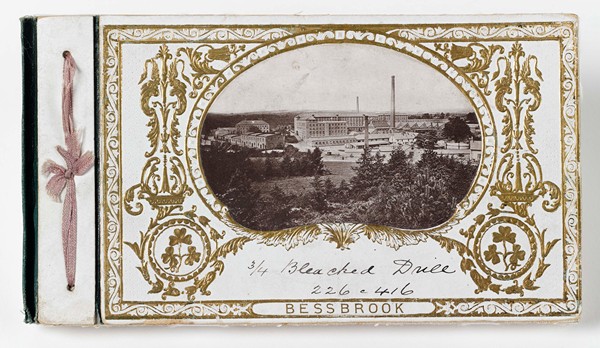
There are several items on display from the Bessbrook Spinning Mill. Bessbrook Spinning Mill, on the outskirts of Newry, was established by the Richardson family in the late 1840s. The Richardsons were Quakers, and the 'model village' which they built at Bessbrook for their employees, was among the first of many such communities created according to Quaker principles of temperance and benevolent paternalism. The first item is a late 19th century lithograph depicting the mill. Also on display is a sample book and a loom shuttlecock from the Bessbrook Mill. The sample book would have been available to buyers visiting the mill to buy cloth. By 1880s, only the Bessbrook Spinning Company was able to capture a large export market compared to other businesses as Newry (and its markets) had reached the extent of its growth. The case also holds a token from the mill. Mill workers were paid in tokens, in lieu of some or all of their wages, which they could exchange at the mill shop for provisions.
Another prominent business of that era is the Daisy Hill Nurseries in Newry. On display in this case is a photograph of employees at Daisy Hill Nursery, possibly in the years shortly after the Nursery was established by Thomas Smith in 1886. Smith was born in Birmingham in 1840 and came to Ireland in 1870 as manager at the Warrenpoint Road Nurseries. Daisy Hill Nursery began as six acres of daisy-covered fields on the west side of Newry and went on to become quite reputable for their unique collection of rare plants. After his death in 1919, Daisy Hill Nursery was continued by his family until it closed in 1996.
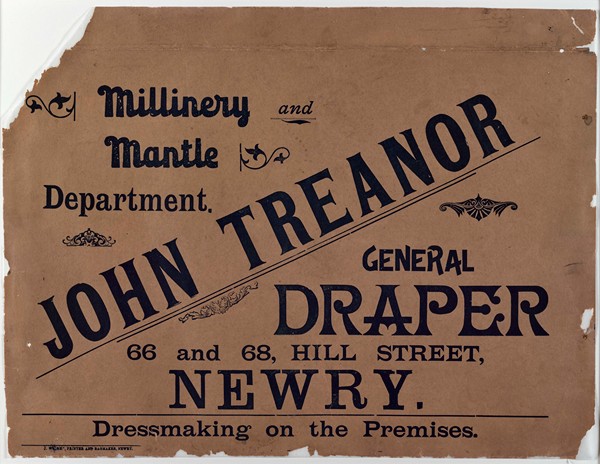
John Treanor was a general drapers which operated out of a shop in Hill Street, Newry from the 1880s until the first decade of the 20th century. The case features a lid from a cardboard box that was used for carrying goods purchased in the shop. Another businessman that flourished during this time includes Henry Thomson who opened his wholesale wine and spirit business on Kildare Street in Newry in 1816. A receipt from his firm is on display in the case next to a late 19th century hydrometer which is used for measuring levels of alcohol in spirits. This hydrometer is from McVeigh’s public house which was in High Street in Newry.
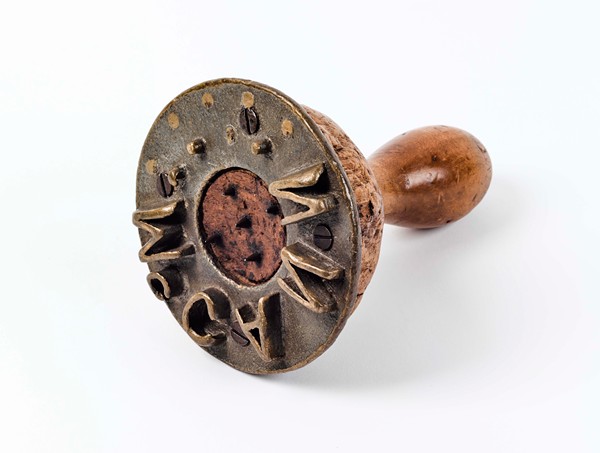
Finally, this display case holds a bread stamp from the well-known Victoria Bakery (Arthur McCann’s Ltd) The McCann’s bakery was established in Newry in 1937 and moved to their new premises in 1894 which was previously owned by Joseph Doyle, a seed merchant and florist. McCann’s operated in Newry until the 1990s when they sold their premises to Irwin’s Bakery in Portadown. However, inspection of the building after closure led to the rediscovery of Bagenal’s Castle and the building was purchased by the former Newry and Mourne District Council and restored as a new home for Newry and Mourne Museum.
The Museum is currently offering free tours of the exhibition galleries on Wednesdays and Thursdays at 2.00 pm. These must be booked in advance by calling our Education Officer at 0330 137 4422.
Newry and Mourne Museum is open Tuesday – Saturday 10.00 am – 4.30 pm. Please call 0330 137 4422 or email museums@nmandd.org for further information.
Visit their website at www.visitmournemountains.co.uk