Write a comment
Many children will have received toys as Christmas gifts over the festive period. Many of today’s toys have a long history and children have been playing with different types of toys for thousands of years.

Dolls are one of the earliest known toys, found in different cultures around the world. Early examples from Ancient Egypt, Greece and Rome were made from available natural materials such as clay, stone, wood, bone, leather or rags. Dolls had many purposes, as well as playthings, some were used in rituals and religious ceremonies or for educational purposes. China and porcelain dolls became popular in the 19th century. Initially they were made to look like adults, but their popularity increased in the 1850s when they were modelled on children.
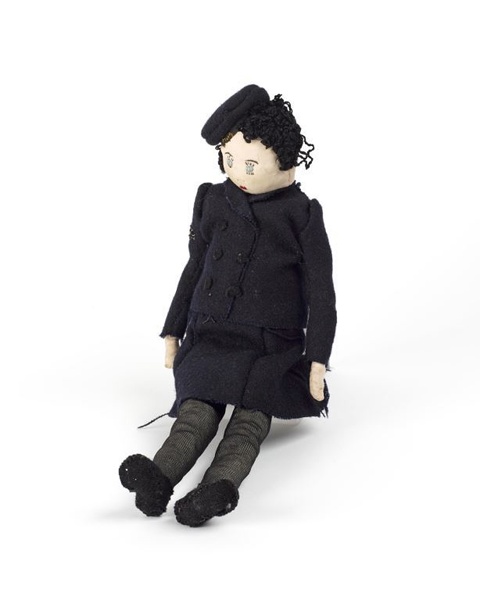
Moulded plastic dolls with socket joints and moveable eyes became popular in the 20th century. Fashion dolls made from plastic first appeared in the 1950s, with the launch of Barbie in 1959, followed four years later by Sindy, who was the first UK toy ever to be advertised on television. Inspired by fashion at the time, clothes reflected current trends, and her first fashions were designed by London fashion designers Foale and Tuffin.
Other toys with a long history include marbles, which have been found in archaeological sites around the world. Over the centuries they have been made from clay, stone, nuts, bone, china and glass, which became popular in the 1840s. Yoyos made from terracotta, metal or wood were found in Ancient Greece. In modern times the first yoyo craze swept through Britain in the 1930s when a yoyo championship was held in London and was won by a 13-year-old boy. Another yoyo craze swept the county in the 1960s and again in the 1990s, with modern versions made of plastic, often with flashing lights.
Toy bears originated in Germany in the late 19th century. In 1902 the teddy bear got its name from Theodore (Teddy) Roosevelt, the 26th President of the U.S.A. After an unsuccessful hunting trip, fellow hunters, not wishing to disappoint their important guest, captured a young bear for the President to shoot. He refused and the bear was released. The event became a big story in local and national newspapers and a New York novelty shop owner asked his wife to make up some jointed bears, which were called Teddy’s Bears.
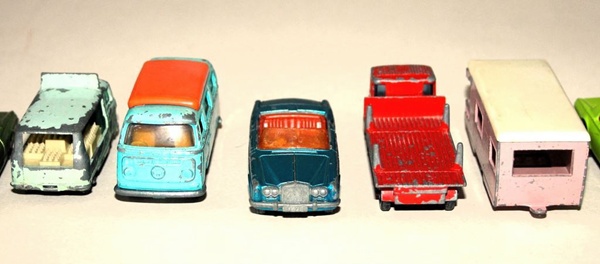
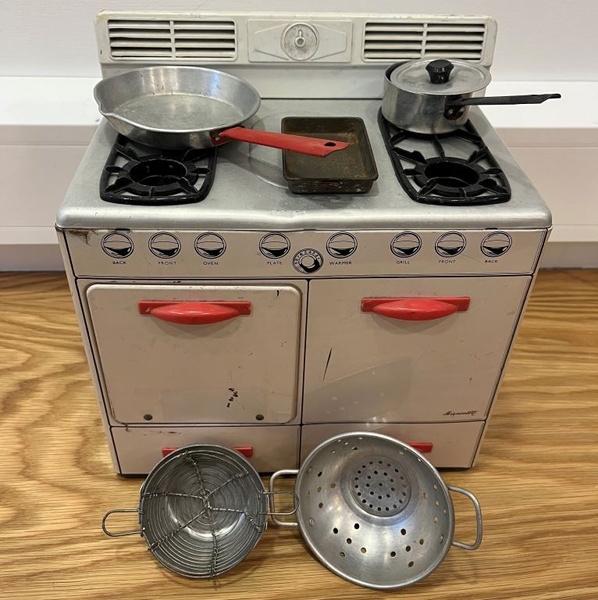
Toys were often modelled on versions of domestic and household objects or based on professions, such as doctor and nurse sets, which originated in America in the 1930s. Building and construction toys could inspire a career in engineering, science and technology. Meccano, believed to have come from a blend of “make and know”, was created by Frank Hornby in Liverpool in 1898 and marketed to boys as Mechanics Made Easy in 1901. The company also made other popular toys such as model train sets, which had first been mass produced in Germany in 1891. These grew in demand and popularity peaked in the 1950s. Die-cast model cars date back as far as the 1800s, but new techniques introduced during the First World War created more detailed vehicles. Dinky Toys and Matchbox were popular brands until Corgi Toys began selling model cars with glazed plastic windows.
World events, changes in technology and the entertainment industry provided plenty of inspiration for toys. The Second World War was the inspiration for G.I. Joe, the first action figurine made in 1946. Space themed toys were particularly popular in the late 1950s and 60s, a direct reflection of progress in space exploration and the excitement leading up to the first moon landing in 1969.
Many companies produced toys affiliated with TV programmes in the 1960s, with Thunderbirds and Dr Who merchandise available. Superhero action figures, based on Marvel and DC comic book characters came on the market in 1971.
For more information on the Museum, please visit our website at www.visitmournemountains.co.uk/