 Write a comment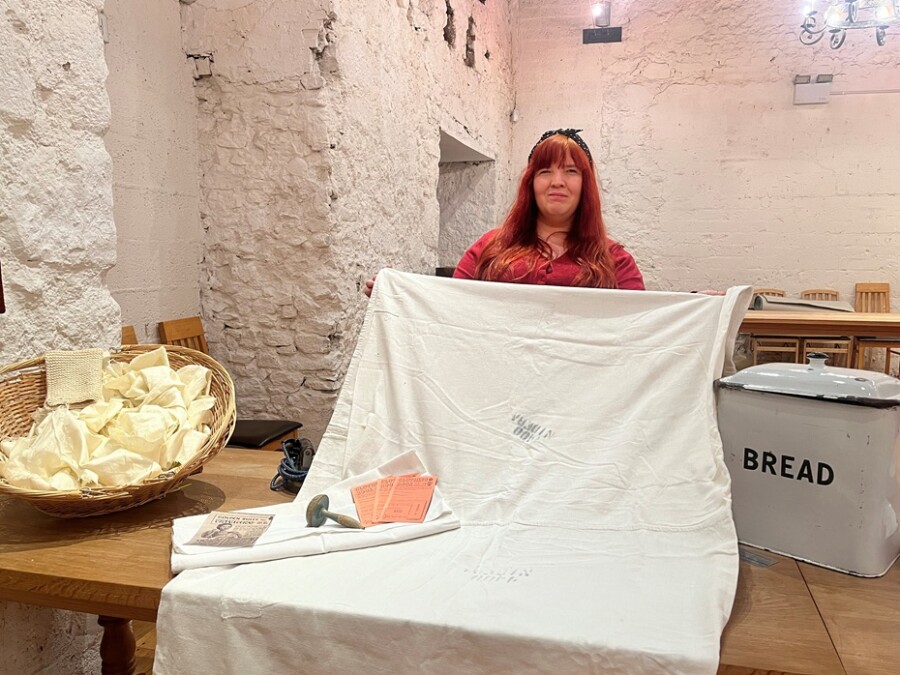
Newry and Mourne Museum recently received a donation from local lady, Rose McKevitt, of an old flour bag from the 1930s that had been repurposed as a pillowcase and a bed sheet made from meal bags, along with some interesting information on how they were made.

The 1930s was a time of economic depression, with high rates of unemployment. With household incomes stretched, alternative means of making clothes and household ‘linens’ were used. Before the advent of bulk deliveries, local bakeries purchased flour in bags. In McCann’s Bakery, these were hoisted up to the top floor of the building, to the ingredients store, which is now a gallery in the Museum. Empty flour bags, from brands including Globe, Early Riser and Mortons could be purchased for a shilling. Some households purchased bags of flour for making bread at home, often keeping it near the open fire to keep the flour dry.
Flour came in bags weighing 56 or 112 pounds and were typically made of cotton. It took four 112-pound bags to make one double sheet, with a lot of work needed to prepare them. Different methods were used to try and remove the writing, one involved rubbing the bags in paraffin oil and soap and boiling them in washing soda, another involved boiling them with copper coins. Some of the flour bags were fine and washed up like linen. As well as sheets and pillowcases, undergarments, frocks, aprons, tablecloths and tea-towels were all made using the material. The garments were carefully hand-sewn, and if they became threadbare, were darned or patched.
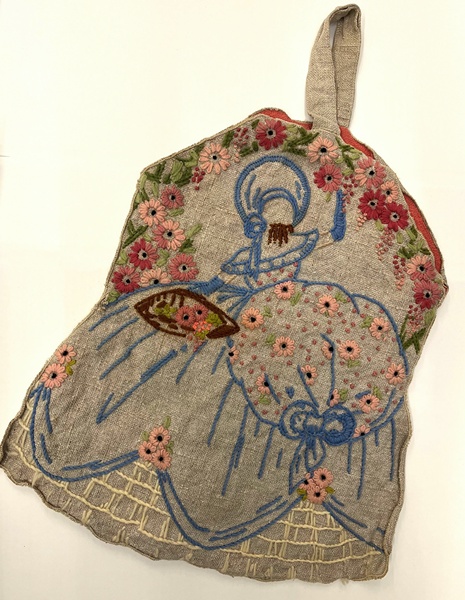
The Second World War caused a shortage in fabric and clothing. On the 1st of June 1941, rationing of clothing and footwear was introduced by the Board of Trade, lasting until 1949. It allowed a fair distribution of clothing and ensured that there was enough material for uniforms, parachutes and even wing fabric for fighter and bomber planes. As well as the armed forces there were numerous uniformed voluntary services and organisations in need of uniforms. By necessity, the Army modified its ‘battledress’ to make it more efficient to produce.
In the first year of rationing, 66 coupons were allocated to each person. This was reduced to 48 coupons the following year and by 1945-46 had been reduced to 24. Each garment was assigned a number of coupons, based on how much fabric and labour were needed to produce it. Eleven coupons were needed for a dress and eight for a man’s shirt. Provisions were made for manual workers, civilian uniform wearers and new mothers were given 50 coupons. Children’s clothes had a lower coupon value, and from 1942, all children were given an extra ten coupons, to account for their continued growth and school uniforms.
Knitting wool was also rationed, which encouraged people to unpick and knit again. In 1942 and 1943, further regulations restricted the number of buttons, pockets and pleats that could be used on a garment, abolishing trouser turn-ups and limiting the size of lapels. Money was still needed to buy clothing, which became more expensive with prices rising during the war.
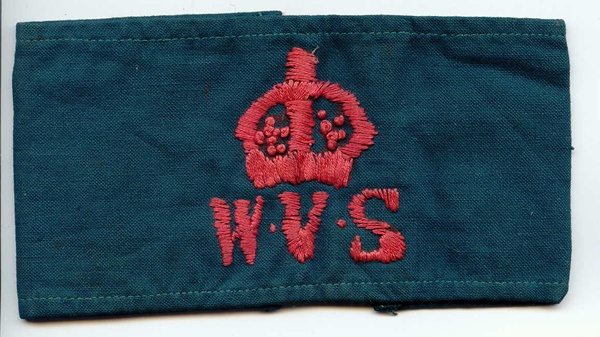
A Make Do and Mend campaign was run by the Ministry of Information. Shortages encouraged home sewers to be imaginative and creative in their choice of fabrics. Handmade and repaired clothing became an essential part of life during wartime. Adverts in the papers from Mrs. Sew and Sew would provide ideas and information in ways to make clothes last longer, with free leaflets available by writing to the Board of Trade. Sewing classes and mending groups were formed and the Women’s Voluntary Service (W.V.S.) held talks and set up clothing exchanges.
As part of the Museum’s Living History education programme, school children meet to local characters, Mr. King, the Air Raid Precaution Warden and Mrs. Agnew, from the W.V.S. Through them they learn what it was like to live in Newry during the Second World War. If you would like to find out more about Living History at the Museum, please contact the Education Officer on 0330 137 4308.
The Museum is currently offering free tours of the main exhibition galleries on Wednesdays at 2.00 pm. These must be booked in advance by calling our Education Officer at 0330 137 4422.
Newry and Mourne Museum is open Tuesday – Saturday 10.00 am – 4.30 pm. Please call 0330 137 4422 or email museums@nmandd.org for further information.
Visit their website at www.visitmournemountains.co.uk