







 Write a comment
Prior to the 1830s most education provision was private, either funded through churches, landowners or charitable organisations. In south Armagh, for example, a schoolhouse was constructed in Ballymoyer by the Kildare Place Society in the early 19th century. This was subsequently endowed by Marcus Synnot, the local landlord. Hedge schools, mainly for the education of rural Catholic children, were also found throughout the Newry and Mourne area.

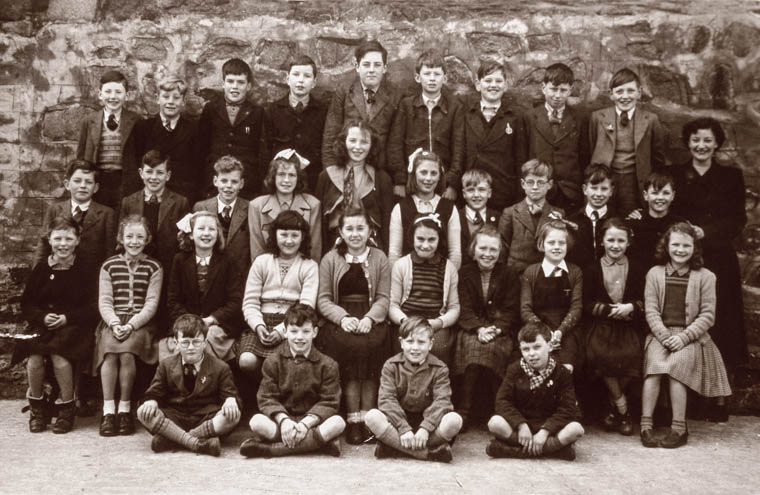
A new education system was introduced in Ireland with the Education Act (1831) which established the Board of National Education. This provided non-denominational education and National Schools began to be built throughout Ireland. This included the monitorial method of teaching which was first put into practice in 1845. This gave talented pupils the opportunity to become monitors and go on to teacher training college.

Secondary (intermediate) education was provided by Protestant endowed schools and by Catholic religious orders including the Christian Brothers, who came to Newry in 1851, and Loreto Sisters. A nationwide campaign for the introduction of intermediate education resulted in the passing of the Intermediate Education (Ireland) Bill (1878). This established a Board which oversaw the setting of courses, use of textbooks and the standard of examinations. Intermediate schools began to be built in various towns throughout Ireland and one was established in Corry Square in Newry.
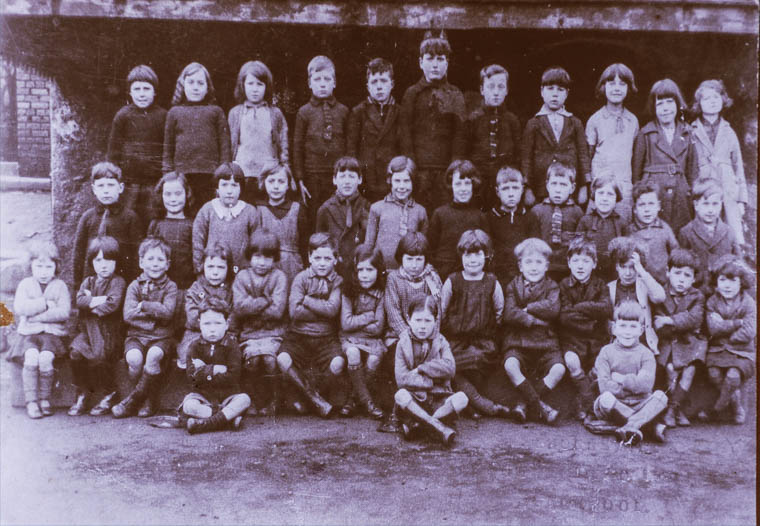
In 1892 education became compulsory for all children between 6 and 14 and the Belmore Commission, set up in 1897, recommended that practical skills such as drawing, elementary science, physical education and manual instruction be added to the curriculum . The Agricultural and Technical Instruction Act (1899) provided for training in technical skills to support the economy, and technical schools were opened locally in Newry, Kilkeel and Warrenpoint
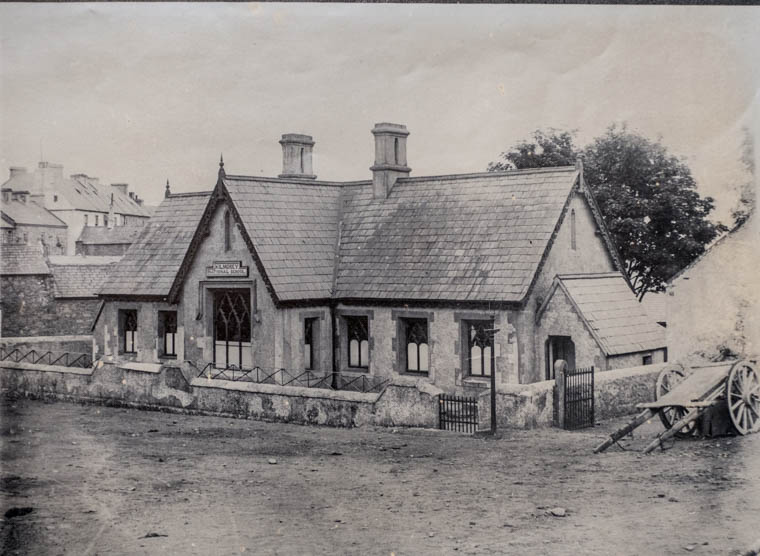
With the partition of Ireland in 1921, the Ministry of Education was set up in Northern Ireland. National Schools became primary or public elementary schools. Attempts to introduce a non-denominational structure did not succeed and publicly funded schools became Protestant whilst a separate Catholic school system developed simultaneously.
The 1947 Education Act raised the school leaving age to fifteen and created a new secondary school system which pupils would transfer into at the age of eleven. Children could go to an intermediate secondary school, which was free and non-academic, or a technical school at the age of thirteen. For those who were able to pass the eleven plus exam, and thus receive government funding, could go to a fee paying grammar school. In Newry, in 1948, the Intermediate School became Newry Grammar School. The post war years also saw changes in secondary school qualifications, with the introduction of national qualifications.

The provision of education in Northern Ireland remains a contentious issue. Although integrated education is expanding, it is still a highly segregated education system at primary and secondary school level. Debate still continues with regard to academic selection at the age of eleven.
Newry and Mourne Museum is temporarily closed.
by Noreen Cunningham and Ken Abraham