












 Write a comment
As an island, fishing has always been economically and socially important to Ireland and since people first arrived here, about 9,000 years ago, the sea has provided both a means of transport and a source of food.


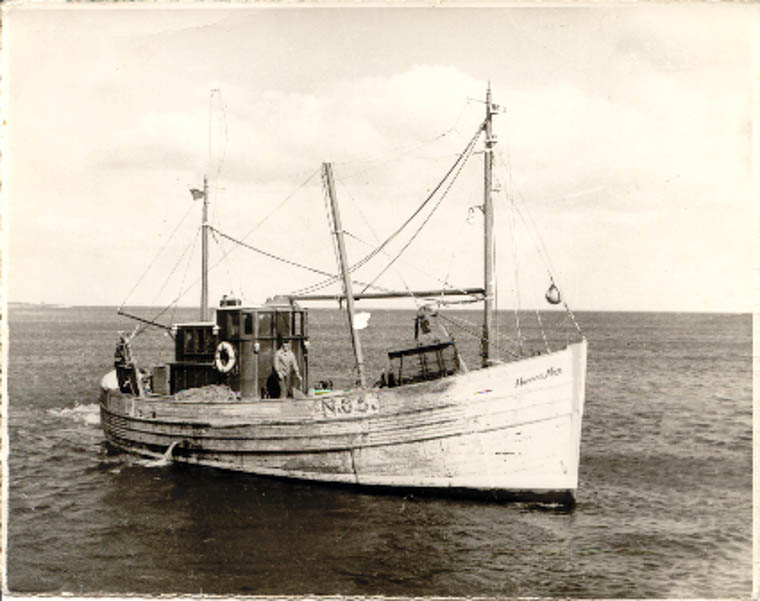
In the 18th century, Newry was one of the premier trading ports in Ulster, but smaller ports also developed along the coastline of southeast County Down. In the Mournes, Kilkeel and Annalong were important for exporting granite and for the fishing industry.

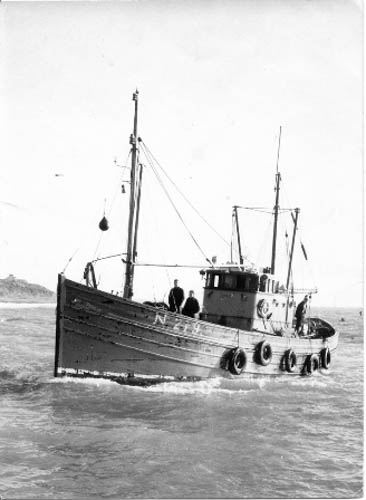
Commercial fishing in Kilkeel only became established in the mid 19th century. Fish, especially herring, were abundant in the bay but there was no harbour or shelter to accommodate or develop this resource to its full potential. The first pier was built in 1866 to accommodate up to twenty-four boats. At that time there were already twenty or so boats in Kilkeel so it became inadequate almost as soon as it was finished. From 1872, through a government grant and subscriptions from Lord Kilmorey and local merchants, Kilkeel developed into one of the most important herring fishing centres along the east coast. By 1890, with the building of the South Pier and the ‘Old Dock’, Kilkeel’s business accounted for more than a third of all herring landed in Ireland.
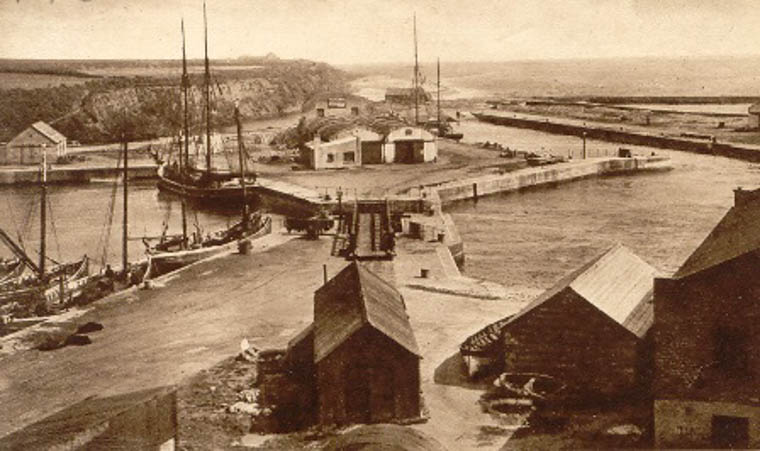
Throughout the 20th century the fishing industry in Kilkeel, experienced many highs and lows; the industry profited from inflated prices during and after the First World War but the post-war economic slump caused a dramatic decline. The introduction of the seine net in the early 1920s, enabled the fishermen to catch deep-feeding species such as cod, whiting, sole and plaice for the first time, and this enabled the whiting winter fishery to grow and by the end of the 1930s was very important for the region.
From 1971-73 the harbour closed for construction work to enlarge the inner basin at Kilkeel harbour. During this time the Kilkeel fleet operated from Warrenpoint. This new inner basin doubled the size of the harbour; a new quay was also built and the harbour deepened.
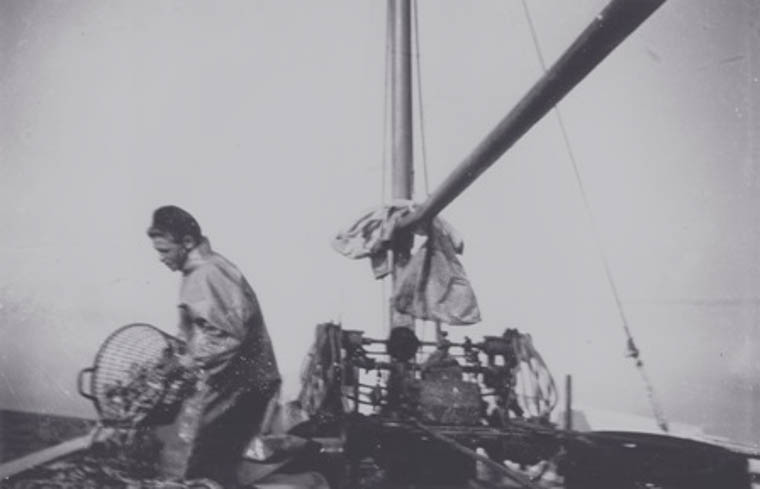
Until recently there were around 1200 people employed directly or indirectly in the fishing industry at Kilkeel, with about 120 boats based in the harbour. However, over- production and over-fishing became a major problem leading to the introduction of quotas to conserve fish stocks.
To many the future is uncertain for Kilkeel’s fishing fleet but it has a healthy history of adaptability and versatility in overcoming economic hardship and a willingness to adapt to survive.
by Anna Marie Savage
Newry and Mourne Museum is closed.